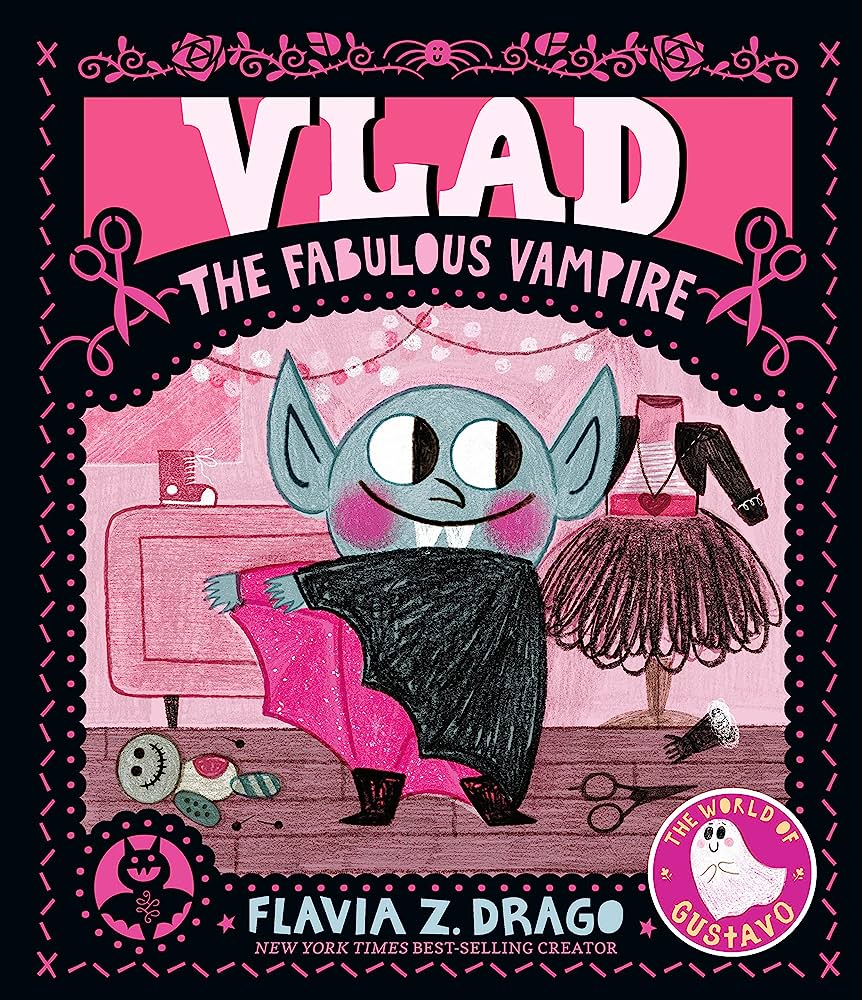
Vlad the Fabulous Vampire (Candlewick Press)
Written & Illustrated by Flavia Z. Drago
For ages: 4-8
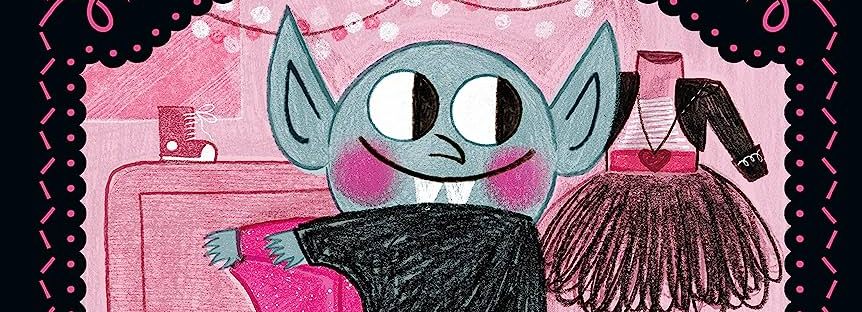
Vlad isn’t like the other vampires. He loves bold fashion and uses his meticulously planned everyday wear to hide something he’s ashamed of. Vlad has bright rosy pink cheeks. These marks on his face make him stand out from the other vampires, so Vlad develops an insecurity about them. He doesn’t realize until the end of the story that every vampire has something they think will make them ostracized from the group. But when everyone acknowledges their differences, they realize they are all the same in unique ways.
This is a beautiful metaphor to help children think about how they and others express themselves. This can be applied to transgender, disabled, or any people who have anxiety about being their true selves in the presence of others, especially their friends & family. Vlad comes to understand he’s been so concerned with how other people will receive him and his differences that he’s forgotten who is most important: himself. Once Vlad learns to accept himself, he quickly discovers everyone else missed having him around, and they welcome him with open arms. Drawn in a delightfully cartoonishly gothic style (think the original Addams Family comics in The New Yorker), Vlad is a book that has all the spookiness and love you could want from a picture book.
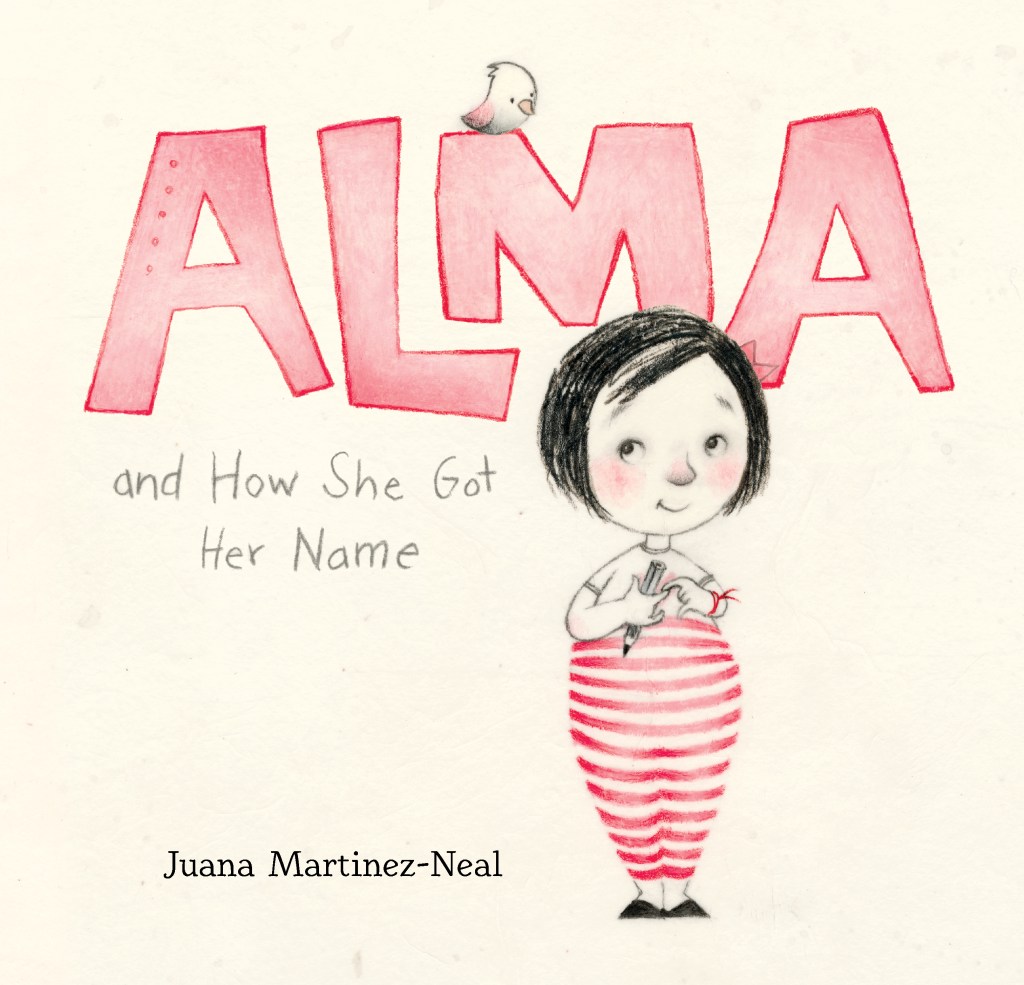
Alma and How She Got Her Name (Candlewick Press)
Written & Illustrated by Juana Martinez-Neal
For ages: 4-8
One day Alma turns to her father and asks where she got her incredibly long name from. Her full name is Alma Sofia Esperanza José Pura Candela. Her father unfolds the story of their family through this name, and we learn how each ancestor remains as some aspect of this little girl. Sofia was a grandmother who loved books & reading, which Alma also shares as a passion. Great-grandmother Esperanza always dreamed of traveling the world but never left her small town. Jose, Alma’s great-grandfather, was a talented artist, and the little girl also loves painting. With each name comes a connection to the past and a reminder of how these long-dead people still live on in our protagonist.
This book would be a great opener to have children reflect on the roots of their names and what those names mean both culturally and within their own families. In this contemporary era, the connection to the past feels frayed and broken to so many. Reawakening that bond to what has come before can illuminate our understanding of how we got to this moment. Additionally, it helps us see that many of our struggles today were the same struggles in the past. We can learn from what our ancestors did or didn’t do to help overcome these obstacles as we face them today. This type of picture book might not click with every child right away, but I foresee the grown-up reading it to them wrestling with some tears.

 The Reading Circle