Blog

book list, fairy tales

Book List: Princess Power

Interstellar Cinderella (Chronicle Books)
Written by Deborah Underwood
Illustrated by Meg Hunt

For ages: 4-8

We’ll start with a classic that gets a fresh new look and feel. Cinderella is a very familiar story, and we could have filled this whole list up with variations on that tale. However, I put forward this space-age twist on the story. Cinderella is a mechanically-gifted young woman who gets left behind when her stepmother and stepsisters jet off to the ball. With help from her fair godrobot, Cinderella can repair a broken spaceship so she can go too. After meeting the prince, she must rush off but leaves behind one of her most important tools, which he uses to track her down. Unlike previous incarnations, this is a great update that shatters some gender conventions to showcase a Cinderella.


The Paper Bag Princess (Annick Press)
Written by Robert Munsch
Illustrated by Michael Martchenko

For ages: 4-8
Princess Elizabeth starts out seeming like a pretty typical princess living the expected life and waiting around to get married to a prince. However, things get flipped on their head when a dragon shows up at the castle and steals her groom-to-be. Her home and belongings get torched, and she’s left with just a paper bag to wear. So Elizabeth embarks on a journey where she learns to have the self-confidence and fortitude others may not have expected from her. Elizabeth ends up saving her prince and contemplates whether she should go back to being the passive royalty she was or hold tight to this newfound independence. The Paper Bag Princess is a modern classic and should be part of every fairy tale lover’s library.


The Princess and the Pig (Bloomsbury USA Children’s)
Written by Jonathan Emmett
Illustrated by Poly Bernatene

For ages: 4-8
Taking its cues from Mark Twain’s The Princess and The Pauper, the hilarious story sees a royal mix-up that goes on for years. Princess Priscilla is only a baby when an accident causes her to switch places with Pigmella, a newborn piglet. The farmer believes a good witch has turned his pig into a little girl, while the royal family thinks a wicked witch has cursed their child. The story follows these two characters as they grow up in their mixed-up lives. There is a lot of clever fun to be had here; author Jonathan Emmett is very playful in making nods to other classic stories. There’s a hilarious finale as Pigmella is married off to a handsome prince. Her parents persuade him with stories of The Frog Prince and magical kisses.


Princess Grace (Lincoln Children’s Books)
Written by Mary Hoffman
Illustrated by Cornelius van Wright and Ying-Hwa Hu

For ages: 5-9
This gorgeous illustrated book takes place in the modern-day as young Grace dreams of being a princess in the upcoming parade. She suddenly realizes that she doesn’t know what a princess does and seeks answers at school. Grace learns that princesses have been more than just pretty faces in lovely dresses throughout history. The young girl discovers princesses from China, Egypt, the Philippines, and Zimbabwe through her teacher. This newfound information ripples through the classroom, causing both boys and girls to re-evaluate what it means to be a princess. Some beautiful seeds of lesser-known history here will inspire students to want to know more. The book would make an excellent core to a lesson with students reading up on these specific real princesses to learn more details of their lives.


Dangerously Ever After (Dial Books)
Written by Dashka Slater
Illustrated by Valeria Docampo

For ages: 5-9
Princess Amanita is NOT like most princesses. She doesn’t spend her days pining away for a prince. Instead, Amanite has cultivated a unique garden full of spiky, dangerous plants. She adores thorns and needles and becomes fascinated with the roses Prince Florian brings her, putting them in a vase upside down so she can admire their sharp stems. This causes her to want rose seeds to plant in her garden, but things go wrong when they turn out to be nose seeds. Now she has bright red sneezing and snoring noses, creating problems in her palace. There are lovely moments of absurdity here, akin to the classic Alice and Wonderland and its magical illogic. If your student is tired of the “prim and proper” princess stereotype, Dangerously Ever After provides an alternative with an amusing edge.

The Little Wooden Robot and The Log Princess (Neal Porter Books)
Written & Illustrated by Tom Gauld

For ages: 5-9
I have been a big fan of modern fantasy cartoon series like Adventure Time and Over the Garden Wall. This fantastic book captures that same sort of funny & amazing energy in a story about two unlikely siblings and their journey home. The Little Wooden Robot is the king’s solution to lacking a child, while his wife gets The Log Princess from a kindly witch in the woods. Raised as siblings, they take care of each other which is needed when Log Princess becomes lost. Tom Gauld provides illustrations that are simplistic in design but part of fascinating worlds. I love a pair of pages that teases the adventures these two have along the way, a wonderful inspiration for your own wannabe writer to fuel their imaginations. This is one of the books it’s impossible not to be smiling the whole time through.

Not One Damsel in Distress: Heroic Girls from World Folklore (Clarion Books)
Written by Jane Yolen
Illustrated by Susan Guevara

For ages: 4-8
Children’s literature veteran Jane Yolen delivers this collection of fifteen folktales about princesses worldwide. You’ll learn about Li Chi, a Chinese girl who slays a dragon and saves her village. There’s Makhta of the Sioux, who leads her tribe into battle. Bradamante is a female knight riding bravely through the medieval era. Not only will this book provide students with a treasure trove of great stories told by a master writer it can also help build geography skills. The princesses in this book hail from places like Indonesia, Azerbaijan, Greece, Japan, Russia, and more. There are still some elements of outdated gender norms, often with girls posing as males to be accepted as having strength. The book could prove to be a great conversation starter about the traits we label as “strong” and having older students evaluate the greater meaning of “strength” our culture could have.

community, culture, race, social-emotional, spotlight

Book Spotlight: Milo Imagines the World/All Because You Matter

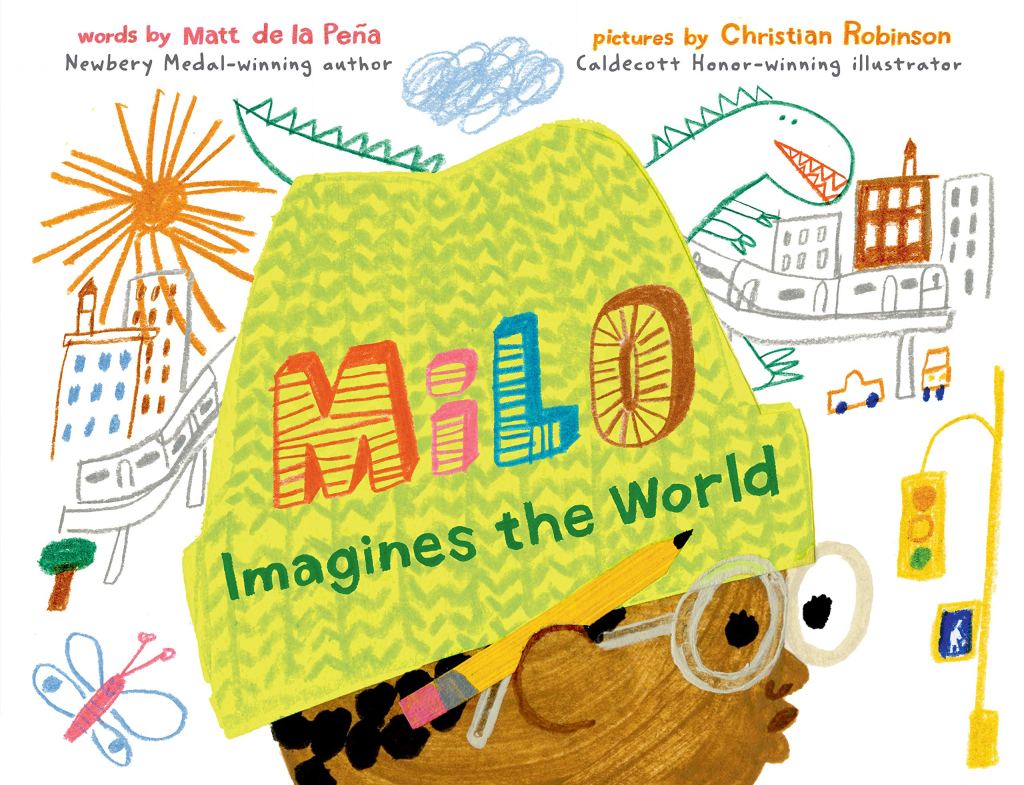
Milo Imagines the World (G.P. Putnamโ€™s Sons Books for Young Readers)
Written by Matt de la Peรฑa
Illustrated by Christian Robinson

For ages: 4-8
I adore Matt de la Peรฑaโ€™s work, and Milo Imagines the World is his best to date. This is the sort of book that came along at the exact right moment to speak to both children and adults. It talks to us about the assumptions we make about strangers and how these are often wrong. Thereโ€™s undoubtedly a survival mechanism behind our brainsโ€™ ability to try and paint a mental picture of unfamiliar people. The phrase โ€œDonโ€™t judge a book by its coverโ€ is one that touches on our relationships with strangers as well as literature. So you might see the cover of this fabulous book and think you know what it is. Like myself, you would be wrong.

Milo and his older sister are taking their weekly Sunday subway ride. The destination isnโ€™t revealed until later, which plays into our assumptions about the protagonist. Milo gets out his sketchbook and people-watches. When he sees someone that interests him, he draws what he imagines their life at home might be like. A sour-looking passenger lives in a rat-infested apartment. A doorman outside a lovely building yells at a group of boisterous teenagers wearing colorful clothes. A boy wearing a suit lived surrounded by servants.

Milo is entirely wrong, though with a gut punch that reveals the destination of his trip, a city jail. Miloโ€™s mother is incarcerated there, and so is the mother of the little boy in the suit. This sudden realization of how wrong he was causes Milo to revisit his subway sketches. Now he imagines private lives full of love and family, a stark difference from when he first saw these people. De la Peรฑaโ€™s language is rich and descriptive, some of the most vital writing Iโ€™ve seen in a picture book in years. The illustrations by Christian Robinson are child-like yet not simple; they burst with color and perfectly capture the feel of a childโ€™s thoughts. The story told here is vital for children everywhere. In my opinion, this is a required text for every primary classroom in the 21st century.

Activities

1. This is a fantastic book to introduce younger students to the idea of implicit bias. You could prepare images that might surprise children (male nurse, blind person reading braille, wheelchair basketball players). Ask the children if anything about these images surprises them and discuss what media has made them think people are limited to be.

2. Because Miloโ€™s mother is in jail, there are a lot of assumptions people might make about her. With your student, make a list of five great things about Miloโ€™s mom. Have students use details from the text and pictures to find these beautiful things.

3. Have students brainstorm a personal narrative (drawing and/or short essay) about a time they learned something about a person that surprised them. It could be someone they personally know or a famous figure. Please make sure they spend time writing about their assumption, the truth, and why they felt surprised.


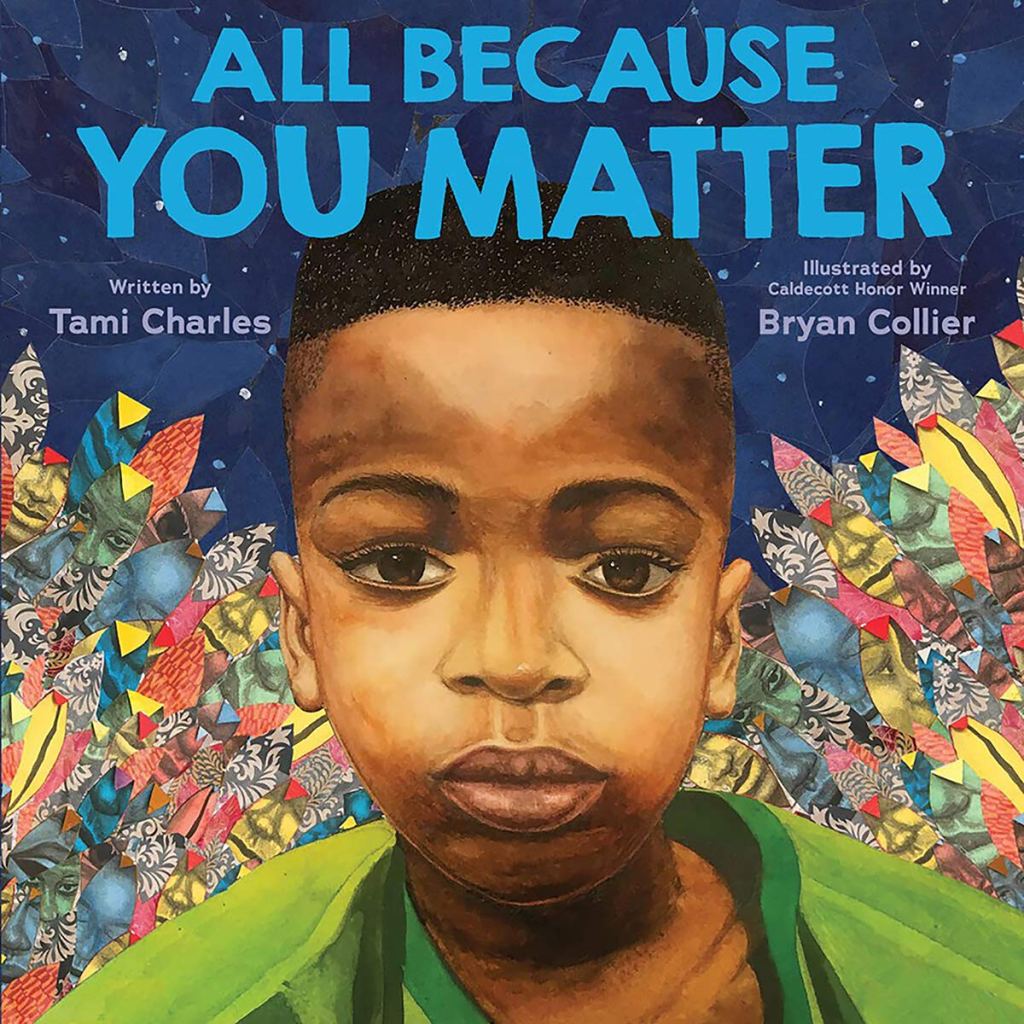
All Because You Matter (Orchard Books)
Written by Tami Charles
Illustrated by Bryan Collier

For ages: 4-8
One of the most infuriating things in the current discourse in America is the willing refusal to acknowledge the meaning of the phrase โ€œBlack Lives Matter.โ€ Among certain groups, they pretend as if it means to elevate Black lives above others rather than its actual intention: to give value to the lives of a group of people continually harmed in American society. Black children constantly see and hear about people who look like them murdered by police or civilians. Then the people who can change the broken systems are entirely unwilling. To contemplate the psychological/emotional/spiritual pain, these children have to feel can be overwhelming. Imagine how they must feel. Tami Charles wants to help these children feel beautiful and empowered despite society trying to marginalize them. 

Charles speaks to โ€œyou, dear child.โ€ She speaks as a mother, a teacher, a caregiver. This beautifully illustrated poem begins by talking about how the childโ€™s ancestors dreamed of them for generations; the arrival of this child was an event like no other. Every challenge they overcame, every slight they suffered, was all to get to where this fantastic child was born. The narrator acknowledges the sad reality of things, invoking the names Trayvon/Tamir/Philando. Despite the protestations of ill-intended โ€œparent groups,โ€ Black children know these names, and no amount of book banning can silence the truth. The book does not focus on the tragedies, but Charles knows it would be dishonest to pretend they didnโ€™t happen.

Charles has stated she wrote this book to provide a starting point to discuss race in 21st century America. It is centered in a place of love and care; the word โ€œmatterโ€ is so important. Black childrenโ€™s lives matter, and that is something many have to be actively told because the world at large is not relaying the message. The book exists to encourage children never to forget they are loved by the people they know but also those in their family and community even if they passed long before that child was even a thought. This isnโ€™t just a well-meaning flowery text meant to make the reader feel good. It touches on how it feels for a child to see ream after ream of pages marked up with red and Fs despite how hard they try. It reminds children of how beautiful their skin and hair are, no matter what the media might tell them. Like Milo Imagines the World, this is a book for now and forever. 

Activities

1. Have students make a list or drawings about ways that they matter. This could be about special skills they know, ways they help in their home & community, just everything they love about themselves, and they see as important. 

2. Tami Charles wrote this book with her son in mind. Have students write a letter to Tami Charles. Tell her what you thought about Because You Matter. Then, have them share a few details about themselves and compose a question they would like to ask the author.

3. In the text, a boy enters a new classroom, and someone makes fun of his name. Have your student write their name as large as possible on a single sheet of paper and decorate it to reflect their feelings and interests. Celebrate everyoneโ€™s names.

book list, community, work

Book List: Exploring Careers

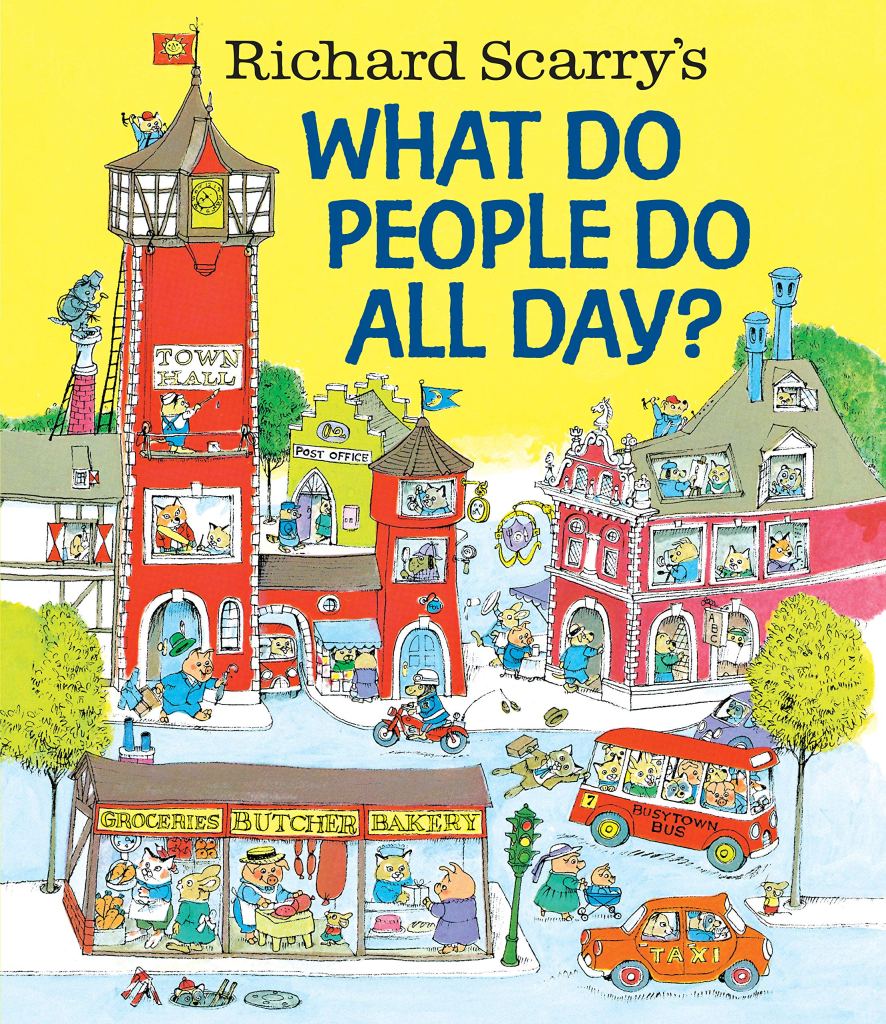
Richard Scarry’s What Do People Do All Day? (Random House)
Written & Illustrated by Richard Scarry

For ages: 3-7
As a preschool and early elementary student, I spent many hours pouring over the delightfully detailed books of Richard Scarry. While those “classic” editions did have some outdated gender roles, they have thankfully been updated and had diversity added. Now female characters share the same work as male ones, and it is a pleasant update. That said, this is such a comprehensive overview of labor in America. As Scarry so often does, he makes sure to label things providing outstanding opportunities to expand your child’s vocabulary in various directions. The book also explores occupations that get easily forgotten but are crucial in our day-to-day lives. This is one of those books meant to be revisited again and again for years to come.


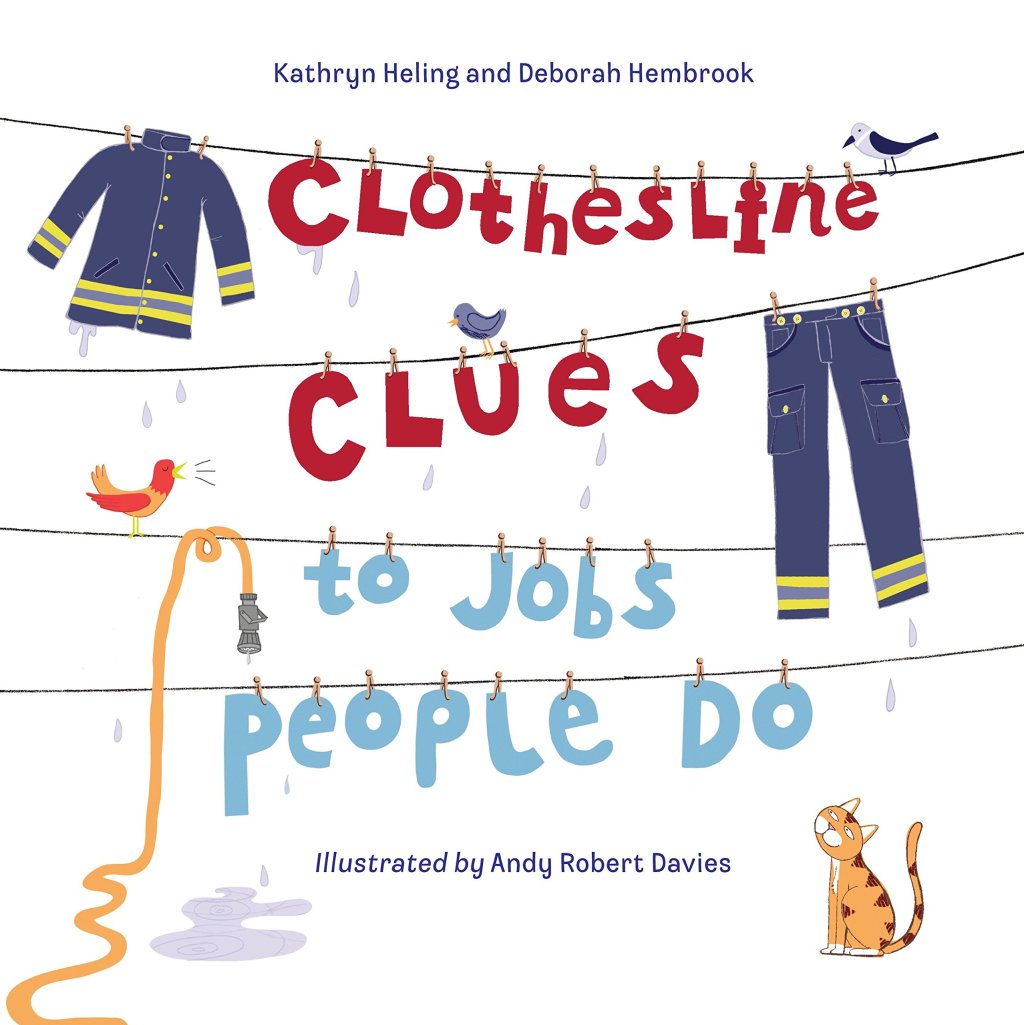
Clothesline Clues to Jobs People Do (Charlesbridge)
Written by Kathryn Heling and Deborah Hembrook
Illustrated by Andy Robert Davies

For ages: 3-7
This book presents a fun concept that also pushes children’s developing critical thinking skills. Instead of naming jobs upfront, a page will show an outfit worn in that profession. Children are asked to guess what job is hinted at before the reveal on the next page. That’s perfect fodder for discussion as you read but also (for older students) a chance to develop writing while citing evidence. Making predictions is a critical cognitive skill, so books like these are incredibly valuable. The story is told in rhyme, but it’s not the smoothest verse. I appreciated how genders vary among the professions, so it doesn’t lock boys and girls into specific paths. This would make a superb kick-off to a K/1st unit on community & jobs.


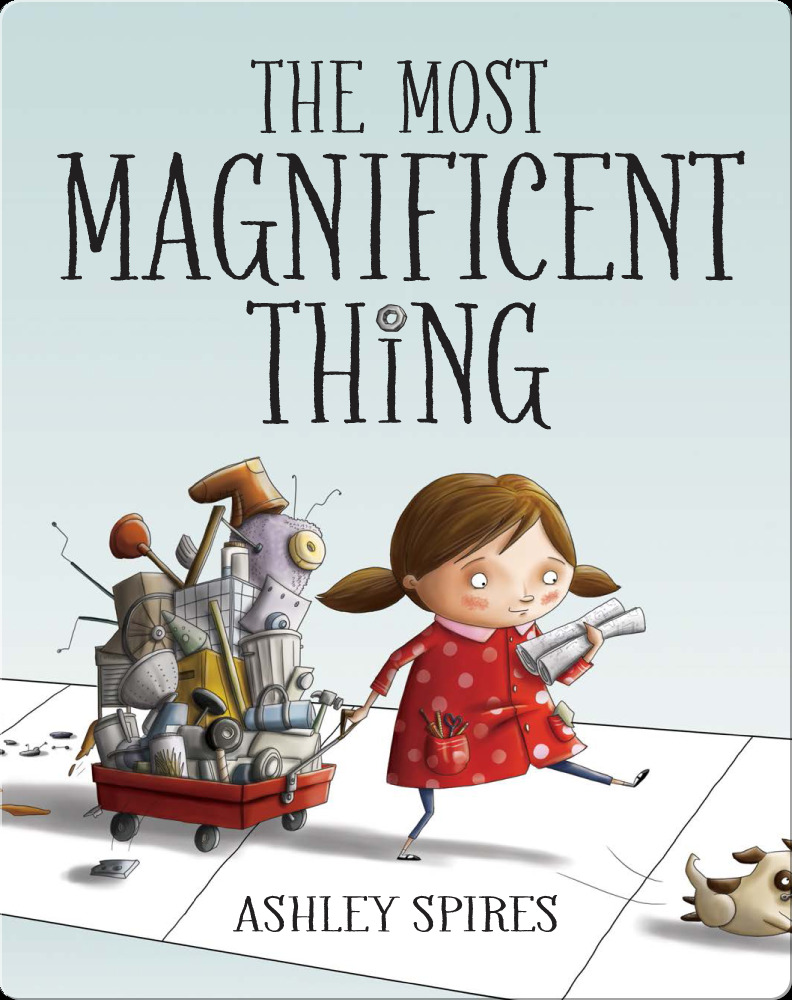
The Most Magnificent Thing (Kids Can Press)
Written & Illustrated by Ashley Spires

For ages: 3-7
It’s never too early to introduce children to the idea of exploring skills & crafts they enjoy that could make them a living one day or provide some wonderful time to recharge after a long week. An unnamed girl has an idea that is clear in her head, but every time she cobbles it together with found materials, it’s not like it was in her head. This leads to frustration, but she keeps working and changing things to reach that idea she has locked in her mind. This text reinforces the crucial notion that worthwhile goals can be challenging to achieve, whether in your career or personal growth. The book shows the girl’s strategies by going for a walk, thinking about other things, and learning how to take ownership of her emotions. By doing this, she can finally manifest that great idea she’s had since the start.


When I Grow Up (HarperCollins)
Written by Al Yankovic
Illustrated by Wes Hargis

For ages: 4-8
It’s imperative to note this is not “Weird” Al Yankovic. There’s a reason the popular entertainer drops that moniker from his name to author this book about what you can be when you grow up. This is not a book about lampooning anything, but a heartfelt and fun journey with a little boy contemplating what he might be. His teacher gives him center stage on Show and Tell Day, leading to a meandering monologue about being a chef, artist, or snail trainer. The sky’s the limit here! Yankovic manages to play around with a variety of different rhyming structures, so this provides some fantastic opportunities for older students engaged in a poetry unit. The accompanying illustrations by Wes Hargis perfectly match the tone Yankovic is going for. It’s undoubtedly a packed to the edges book worthy of many visits.


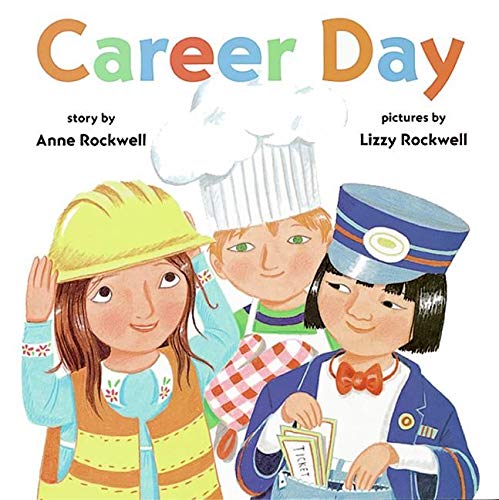
Career Day (HarperCollins)
Written by Anne Rockwell
Illustrated by Lizzy Rockwell

For ages: 4-8
It’s Career Day in Mrs. Madoff’s classroom, and the students are abuzz with having their parents at school. One student narrates what they see; he brought his construction-working father. One boy’s mom is a judge; another’s father tends to the kids in the day and plays in an orchestra at night. Yet another is a college professor there for the student-teacher working in the class. I love how real this book feels, although its illustrations are straightforward and colorful. I think student teachers will love to be included in this special story. This group often gets left out of children’s literature but is very present in many students’ lives. The illustrations jump between the adults being presented in the classroom and a single page devoted to what they look like on the job. An excellent introduction for our littlest children and a way to provide some great conversation with adults in their lives about the type of work they do. I adore when jobs outside the basic set are introduced to children through books like these.


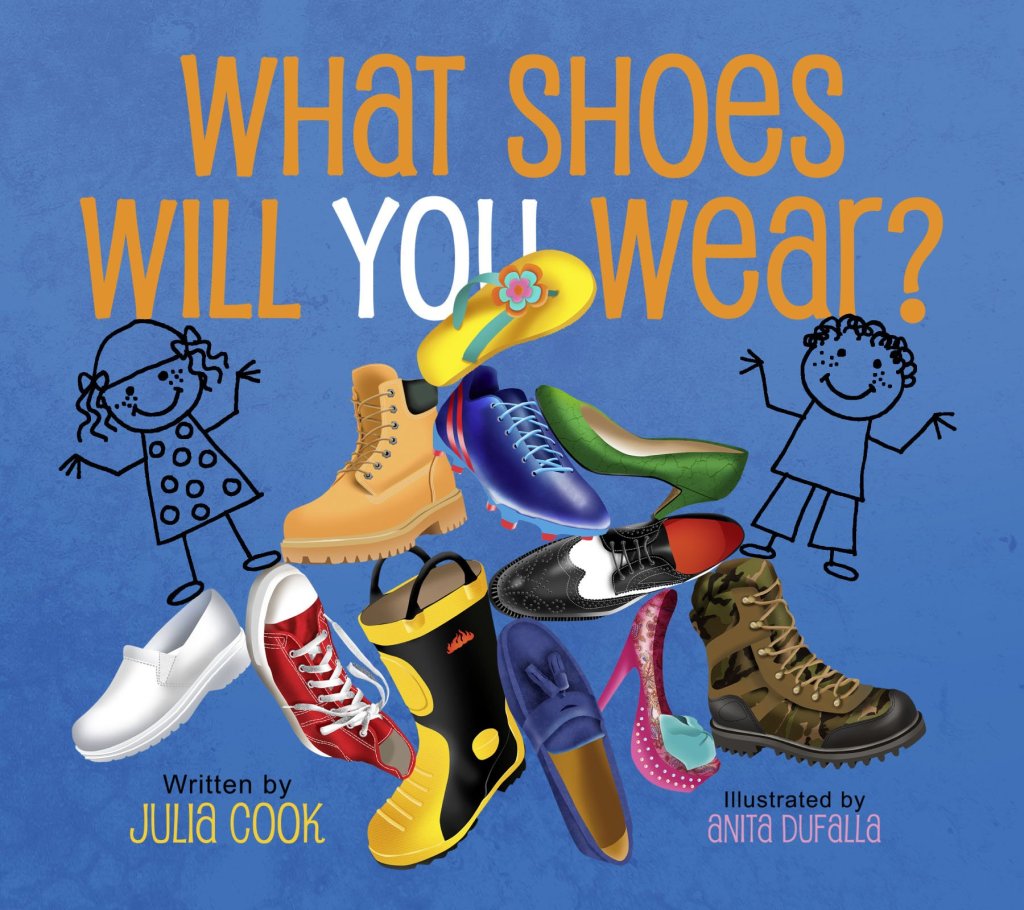
What Shoes Will You Wear? (National Center for Youth Issues)
Written by Julia Cook
Illustrated by Anita DuFalla

For ages: 5-8
A great companion to Clothesline Clues to Jobs People do but focused entirely on footwear. Author Julia Cook looks at how each type of shoe fits the work involved with each job. Like the aforementioned Clothesline Clues, children are asked to make guesses informed by prior knowledge and what they see in the pictures. Illustrator Anita DuFalla combines simple stick figure people with photo montages for the shoes discussed. It’s an unexpected mixed media blend that draws in young readers who may have never seen these types of illustrations before. The book can lead to some great conversations about why people in your own home or extended family wear certain kinds of shoes and why that fits for the work they do. A fun extension might be picking a job and having your child draw the type of shoe they imagine might be perfect for that occupation. 


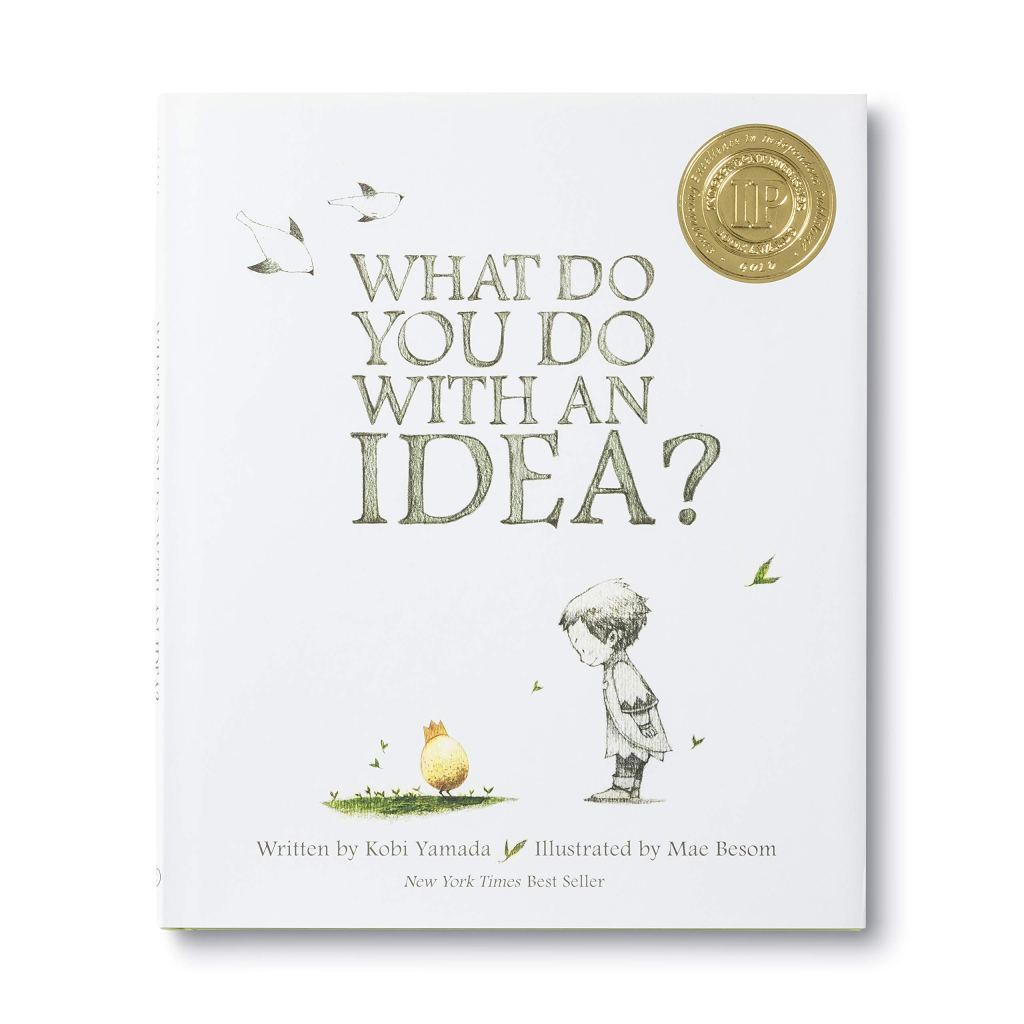
What Do You Do With an Idea? (Compendium Inc)
Written by Kobi Yamada
Illustrated by Mae Besom

For ages: 5-8
This text belongs beside The Most Magnificent Thing but aimed at older readers. A young boy has an idea, represented in the text by a golden egg with legs. The boy ponders where such an idea could have come from and what he should do with it. He keeps coming back to the concept, and that pull tells him this is something important. I see this as a great introduction to academics as a career for children. A job can involve a lot of thinking. It can also serve as a lesson about inventing new ideas and concepts that the world might balk at, at first. Author Kobi Yamada encourages children to know that if they feel drawn to an idea, it is important no matter what others say.

social-emotional, spotlight

Spotlight – Don’t Hug Doug/Rissy No Kissies

Don’t Hug Doug (He Doesn’t Like It) (Penguin Random House)
By Carrie Finison
Illustrated by Daniel Wiseman

For ages: 3-7
Don’t Hug Doug introduces us to the bespectacled young Doug. We learn about his interests and personality and the fact that he doesn’t like hugging anyone besides his mother. The narrator reminds us that this is not because Doug is mad; he doesn’t like hugs. Further, into the book, we’re introduced to people of all genders, ages, and races and shown how they each have their hug preferences. As if anticipating questions from young readers, the narrator informs us that the only way we can know what people prefer is to ask them kindly. 

Continue reading “Spotlight – Don’t Hug Doug/Rissy No Kissies”
book list, seasons, weather, winter

Book List: Snow Day

For child and adult alike, nothing quite beats a snow day. The mundane familiar world we inhabit is suddenly transformed into a magical landscape. Nothing beats the serene calm & silence of a fresh blanket of snow. There’s a beauty to those nights when the moonlight reflects off the crystalline flakes covering the ground. These books succeed in capturing those feelings and emotions with some even teaching about science surrounding weather.

Continue reading “Book List: Snow Day”
culture, food, spotlight

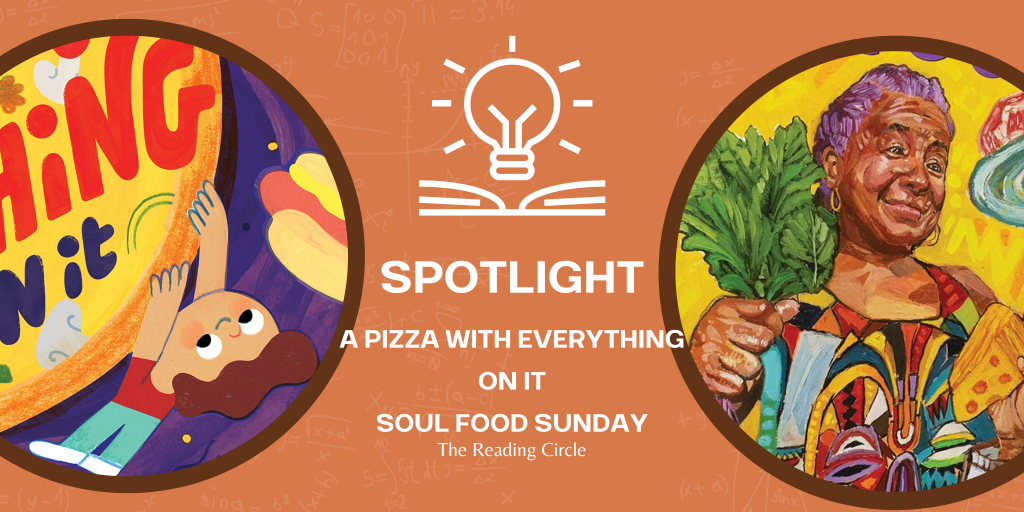
Spotlight – A Pizza With Everything On It/Soul Food Sunday

If you are a parent or teacher, you know how food can be a powerful motivator for children. Itโ€™s not just that they want to eat it, but they have strong opinions about what they like and donโ€™t like. If you ever need a child to write an opinion paper, just ask them about a food they have strong feelings about, and the report simply writes itself. Food is also something we share with the people we love and therefore bonds communities together. The preparation and serving of food is one way people show that they love each other. These two books center on children sharing a food experience with a significant adult in their family. While one is silly & chaotic and the other is joyful & heartwarming, they both capture how vital food is to being alive.

Continue reading “Spotlight – A Pizza With Everything On It/Soul Food Sunday”
book list, culture, food

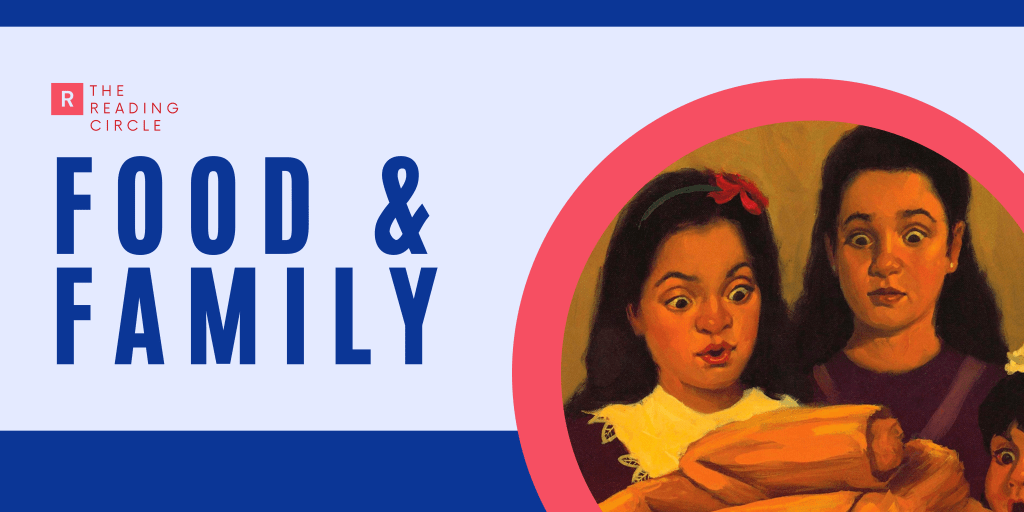
Book List: Food & Family

There are few topics in literature as universal as food. Without it we would die and without great food life would be less bright. For children, food plays such an important role. It is one of their first major sensory experiences in life, being introduce to taste, texture, and presentation. The books I’ve chosen for this list touch on picky eaters, how food is made, and its cultural connections. This list of books should do a great job of introducing your young readers and eaters to some delicious new dishes.

Continue reading “Book List: Food & Family”