culture, folktales

Book List: American Folktales

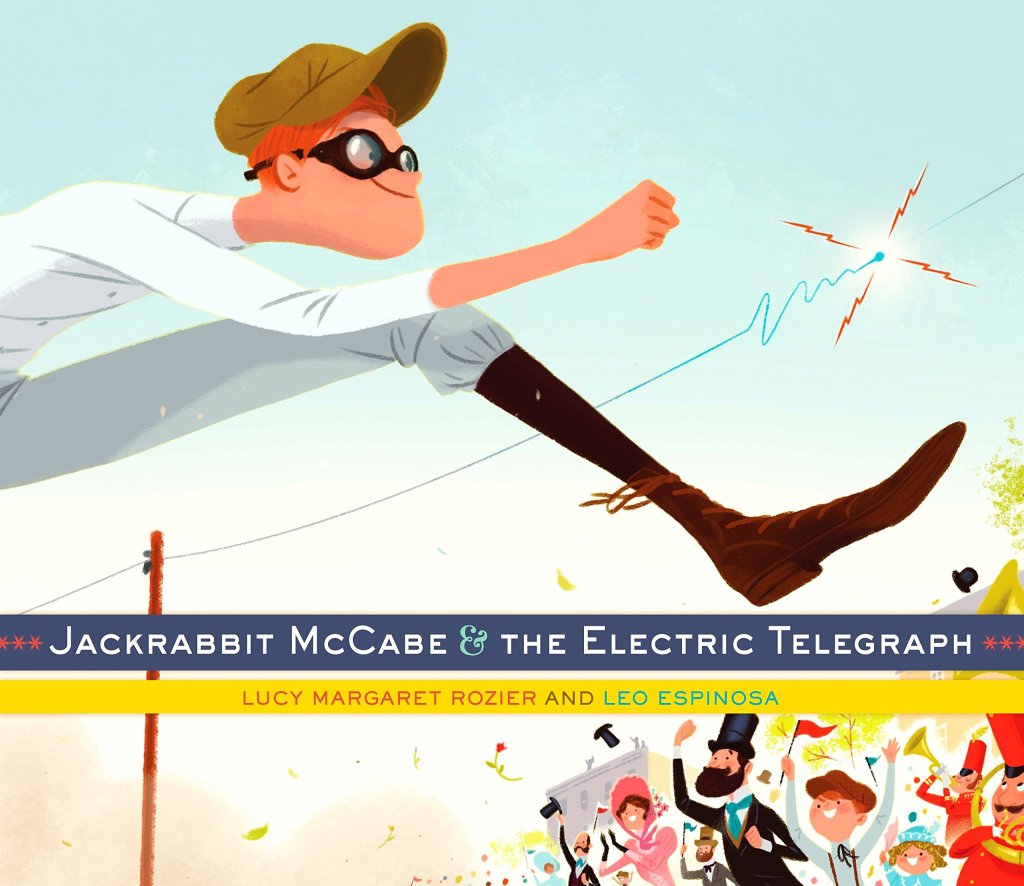
Jackrabbit McCabe and the Electric Telegraph (Schwartz & Wade)
Written by Lucy Margaret Rozier
Illustrated by Leo Espinosa

For ages: 4-8
Jackrabbit McCabe is the fastest person in Windy Flats and has become a town icon. One of his essential tasks in the community is delivering messages quickly and across long distances. Unfortunately, that is endangered when the new-fangled electric telegraph comes to town. The illustrations here are top-notch, resembling retro Disney animation from the 1950s. They are partnered with a story that touches on the ever-present fear in modern life of workers losing their jobs because of expanding technology. It also introduces children to the beginnings of what would become the telecom industry. It could provide a great start to an Industrial Revolution unit.

Continue reading “Book List: American Folktales”
biography, culture, disabilities, family, spotlight

Spotlight: The Electric Slide and Kai/All the Way to the Top

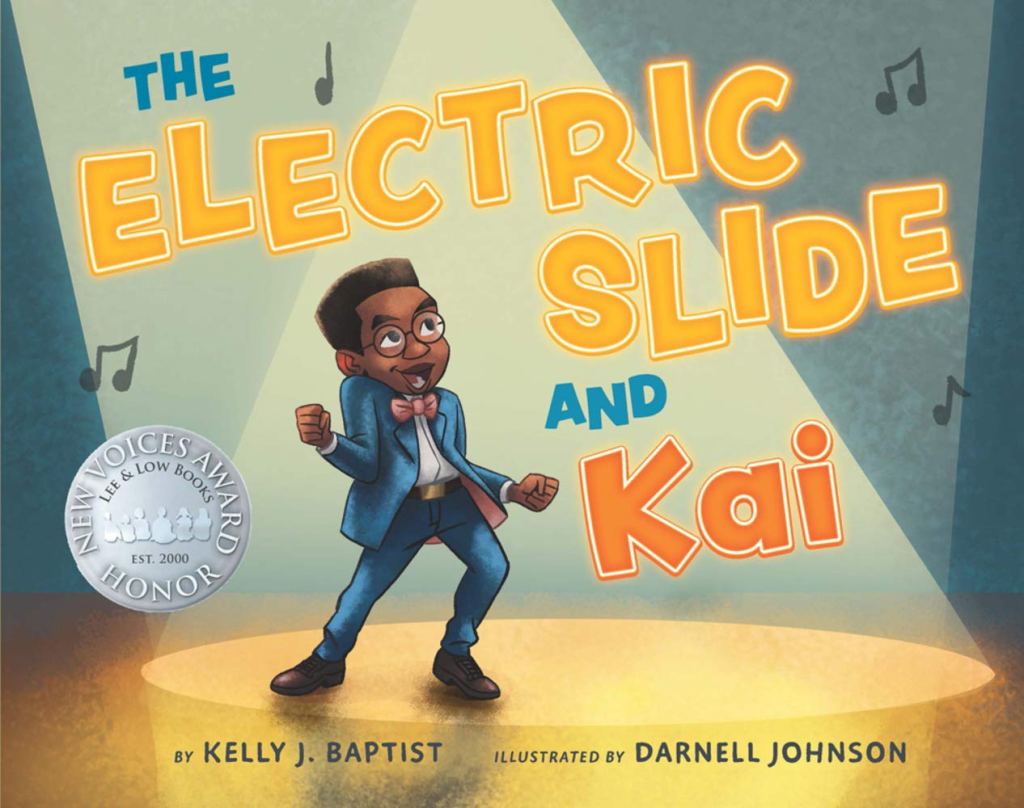
The Electric Slide and Kai (Lee & Low Books)
Written by Kelly J. Baptist
Illustrated by Darnell Johnson

For ages: 5-8
Dancing is a fun part of any wedding, and you want to join the rest of the family and friends on the dance floor to celebrate. Kai hears Aunt Nina is getting married and wants to sharpen up his moves. Everyone in the family has a dancing nickname except for Kai, and he hopes this year it will change. He gets help from his family members, and they happily aid him. However, when the wedding day comes, Kai gets scared during the reception and slips away. Uncle Troy, Ninaโ€™s new husband, tells Kai heโ€™s nervous about getting a dance nickname, too, and they hype each other up.

Continue reading “Spotlight: The Electric Slide and Kai/All the Way to the Top”
african, arabic, book list, culture, hispanic, social studies, social-emotional

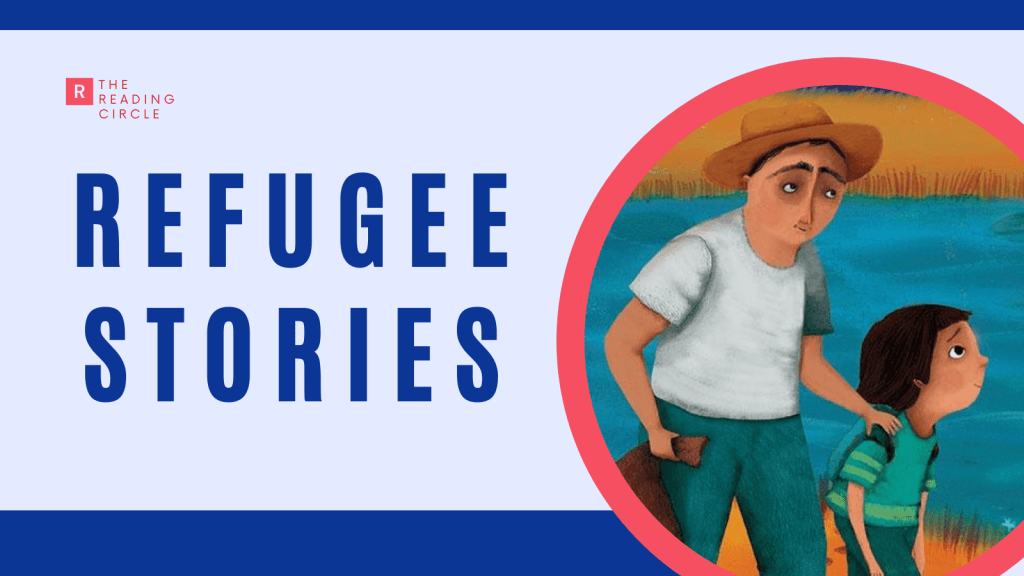
Book List: Refugee Stories

It’s calculated that at least 26.4 million people worldwide are classified as refugees, but the number of people displaced as a whole is closer to 83 million right now. If you live in North America or Europe, your life has been touched by these people seeking a safe place to live their lives. To not have the refugee experience represented in your school or classroom library is to do a disservice to the children coming in and out of your classroom. Adults often have the most difficult time getting outside of their comfort zone, and we see it so often with the most pressing human rights issues of our day. Children who are refugees and the children of refugees have a right to be seen in the literature they and their peers are reading. I hope you find some great selections here that you can add to your stacks.

Continue reading “Book List: Refugee Stories”
culture, fairy tales, hispanic, science fiction

Middle Grade Must-Reads: The Last Cuentista

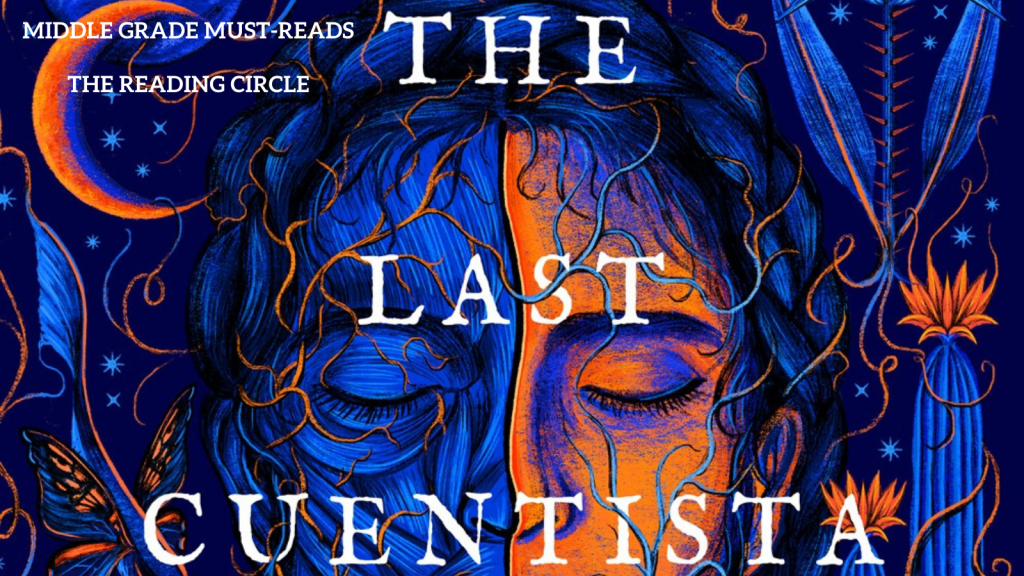
The Last Cuentista (Levine Quierdo)
Written by Donna Barba Higuera

For ages: 9-14
Halley’s Comet has become a threat to humanity, barreling towards Earth. Scientists have determined it will impact and destroy the planet. So adolescent Petra Peรฑa’s family was chosen to join one of three space arks leaving to restart human civilization on the distant unpopulated world humans have named Sagan. During this journey, all the scientists and their families will be put into stasis, frozen as they are, and given vast quantities of knowledge over the centuries it will take to reach Sagan. Another group of people have been chosen to maintain the stasis pods and will teach this to their children and on and on until the grand day arrives. While it is heartbreaking to leave Earth behind, everyone has hopes for this new chance.

Continue reading “Middle Grade Must-Reads: The Last Cuentista”
culture, holiday, lgbtq+, spotlight

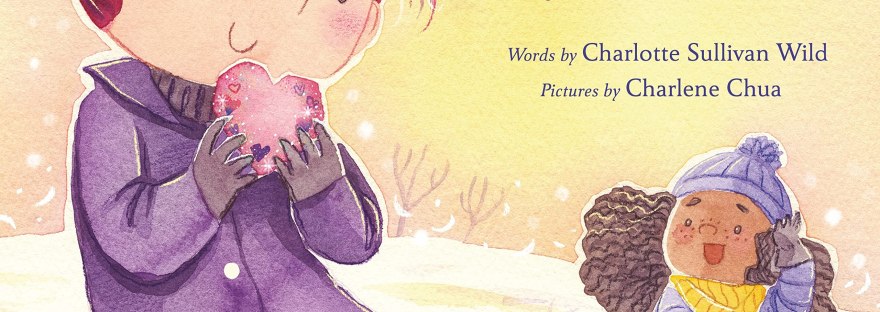
Spotlight: Holi Hai!/Love, Violet

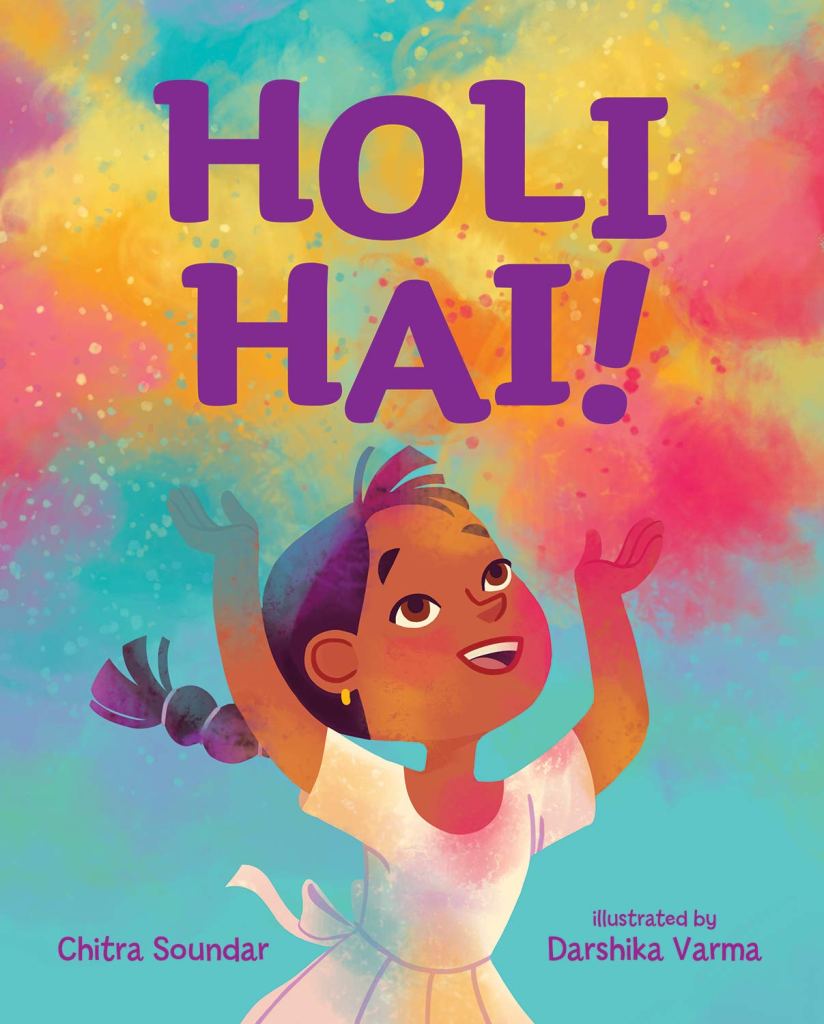
Holi Hai!ย (AW Teen)
Written by Chitra Soundar
Illustrated by Darshika Varma

For ages: 4-8
Holi is a Hindu festival also known as “The Festival of Colors” centered on the love given to humanity by the deity Radha Krishna. Its purpose is to celebrate the end of cold dark winters and the start of a warm jubilant spring. Over one night and one day, people feast and dance. Hindus are encouraged to forgive & forget past transgressions and heal broken relationships. The morning after is when Rangwali Holi happens. This is a big free for all, where participants smear each other with colored powders and play with water guns and balloons. People romp through the neighborhood singing and simply celebrating that they are all in each other’s life. The color fights mock the arguments that create dissonance throughout the year.

Continue reading “Spotlight: Holi Hai!/Love, Violet”
culture, lgbtq+, social-emotional

Book List: Gender Identity

For the life of me, I can’t understand it. This month, Texas Governor Greg Abbott signed an executive order that criminalized parents helping their children transition. Framed as “child abuse,” the new directive allows Child Protective Services to investigate parents whose children are going through any level of transition, whether it be allowing them to wear clothing of their choice or taking hormones after consultation with doctors. The bizarre push for parents to make their love for their children conditional on societal norms is a dangerous idea. The large number of trans people who commit suicide or cannot find work/housing because of how their gender identities are received by society is heartbreaking. These books help to break down these destructive norms and embrace love. 

Continue reading “Book List: Gender Identity”
asian-american, culture, graphic novlels, spotlight

Spotlight: The Geraldine Pu Series

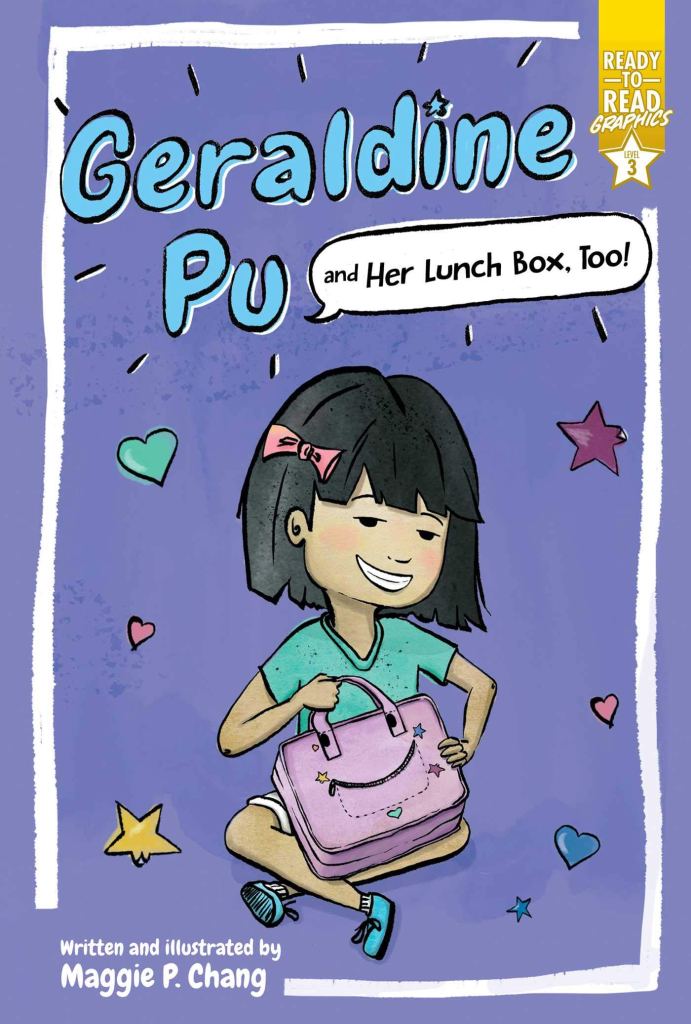
Geraldine Pu and Her Lunch Box, Too! (Simon Spotlight)
Written & Illustrated by Maggie P. Chang

For ages: 5-9
For non-white children living in America, there is a good chance they will encounter some form of racism in their early life. Recently, Asian-Americans have been targeted by hate crimes due to COVID-19 and some politicians & media’s insistence that it was a nefarious plot by the Chinese. These sorts of narratives cause so much harm, especially for young children who are always trying to balance a sense of individuality with acceptance by their peers. In the first book of Maggie P. Chang’s Geraldine Pu series, we see a little girl dealing with prejudice due to her culture and see how she overcomes bullying.

Geraldine brings a traditional lunch to school, Biandang, a sort of Taiwanese bento box. She opens it up at lunchtime, excited to eat when classmate Nico exclaims that it smells terrible. The other children at the table join in with Nico, and after the second day of ridicule over her food, Geraldine chooses not to eat the meal her grandmother packed for her. On the bus, her surname Pu becomes a point of ridicule. Things change the next day when one of her favorite dishes, Stinky Tofu, sits in her lunch box. Geraldine finds the strength within to stand up for herself. This sphere grows when Nico targets other students for their food, and Geraldine shows solidarity with them.

This is a wonderful introduction to graphic novels for young readers beginning to shift out of picture books and into longer-form reads. Chang includes a glossary upfront with some Mandarin vocabulary she’ll use in the book. She also presents a simple guide to reading graphic novels, showing the young readers the flow of panels and different types of dialogue bubbles (speech, thoughts, etc.). 

Activities
1. Have your student(s) draw a picture of their favorite food they make at home. Have them write a journal about why this food is their favorite and, who they would share it with & why.

2. Make a new dish together as a family. The book includes a recipe for Amah’s Steamed Pork Bao Buns, which you can use. However, if that’s not something you can make, try a recipe for something the family has never had before. This way, you can have conversations while making it and eating about this new shared experience.

3. Have your student(s) decorate their lunch box. Talk with them about what parts of their personality & culture they want represented on their lunch box and how they can do that.

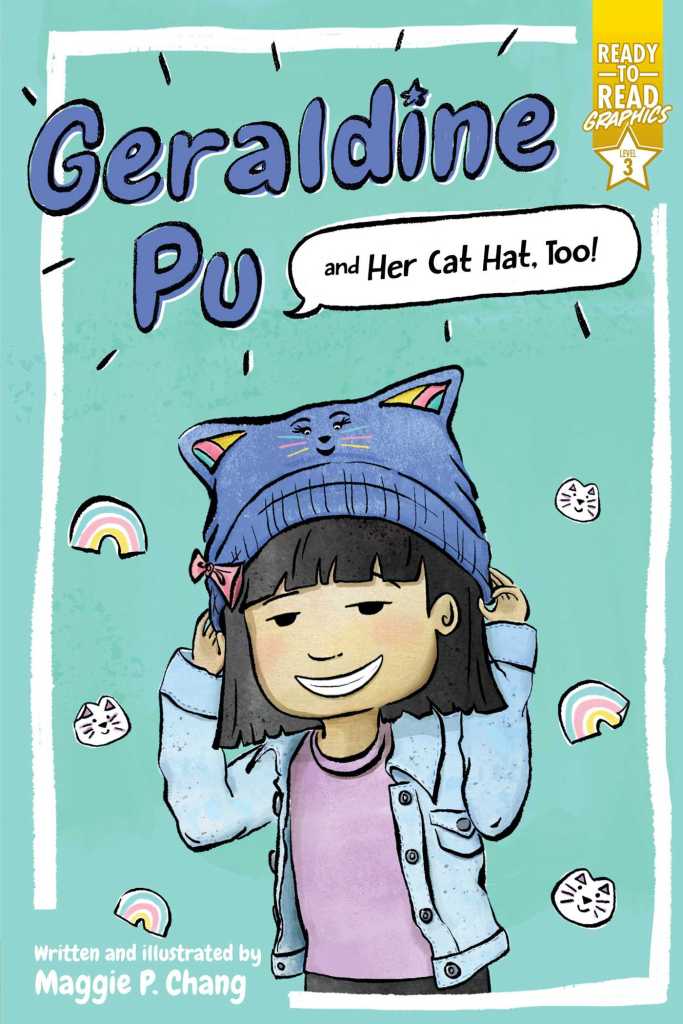
Geraldine Pu and Her Cat Hat, Too! (Simon Spotlight)
Written & Illustrated by Maggie P. Chang

For ages: 5-9
Maggie P. Chang does an excellent job presenting moments that could be incredibly distressing but doing it with the most gentle touch. She doesn’t diminish the hurt her protagonist feels, but she also doesn’t allow the experience to define Geraldine as a person. In this second entry into the series, the focus is on Geraldine’s self-critique of her hair. Her Amah (grandmother) has a natural wave in her hair, while young Geraldine dislikes what she sees as plain black straight hair. Geraldine decides to handle it herself, which, if you have been around young children who decided to cut their own hair, you know how this turns out.

The revelation moment for Geraldine comes when she actually talks to her Amah. She learns that when Amah was a little girl, she hated her wavy hair and did everything to straighten it. Geraldine’s Cat Hat has become a way to hide a part of herself she feels ashamed about, but after talking with Amah, she embraces her hair as a beautiful thing. There’s some humor in the story, too, coming out of her little brother deciding to cut chunks of his own hair because he wants to change it up like everyone else. It’s through his folly that Geraldine reflects on her thoughts and, after talking to Amah, realizes the silliness in not loving yourself wholly.

Like the first book, we get a Mandarin glossary and a guide on reading a graphic novel. These books are also broken into chapters following a basic three-act storytelling structure. This could add to making story maps of these books because students can use those chapters as boundaries for what should be written in each section of their map. There are also a lot of great opportunities to make predictions while reading and tons of journaling/self-reflection potential.

Activities
1. Ask your student(s) what they love about themselves. Spend time talking about why they love this aspect and what they do to show people how much they love it.

2. Have students think about their favorite clothing accessory (hat, belt, jewelry, etc.) and imagine it was alive. What would its name be? What does it think about them? What is its favorite thing to do? Transition from a conversation into some creative writing.

3. The book includes directions on making a self-portrait using found materials. Adding onto that would be a writing piece explaining what they want people to learn about them by seeing this portrait and whether any materials hold a specific significance.
book list, culture, folktales, indigenous, social studies

Book List: Indigenous Stories

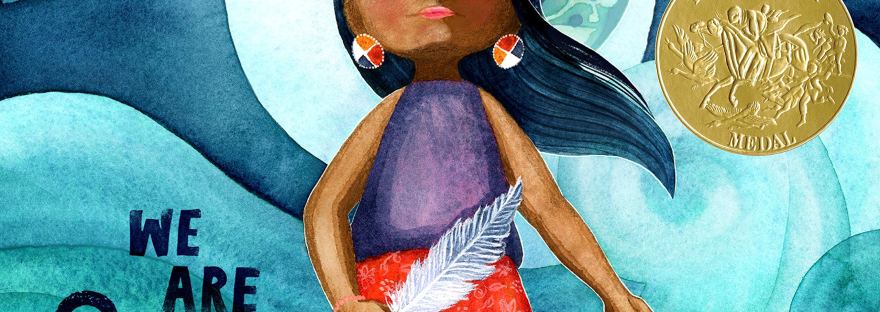
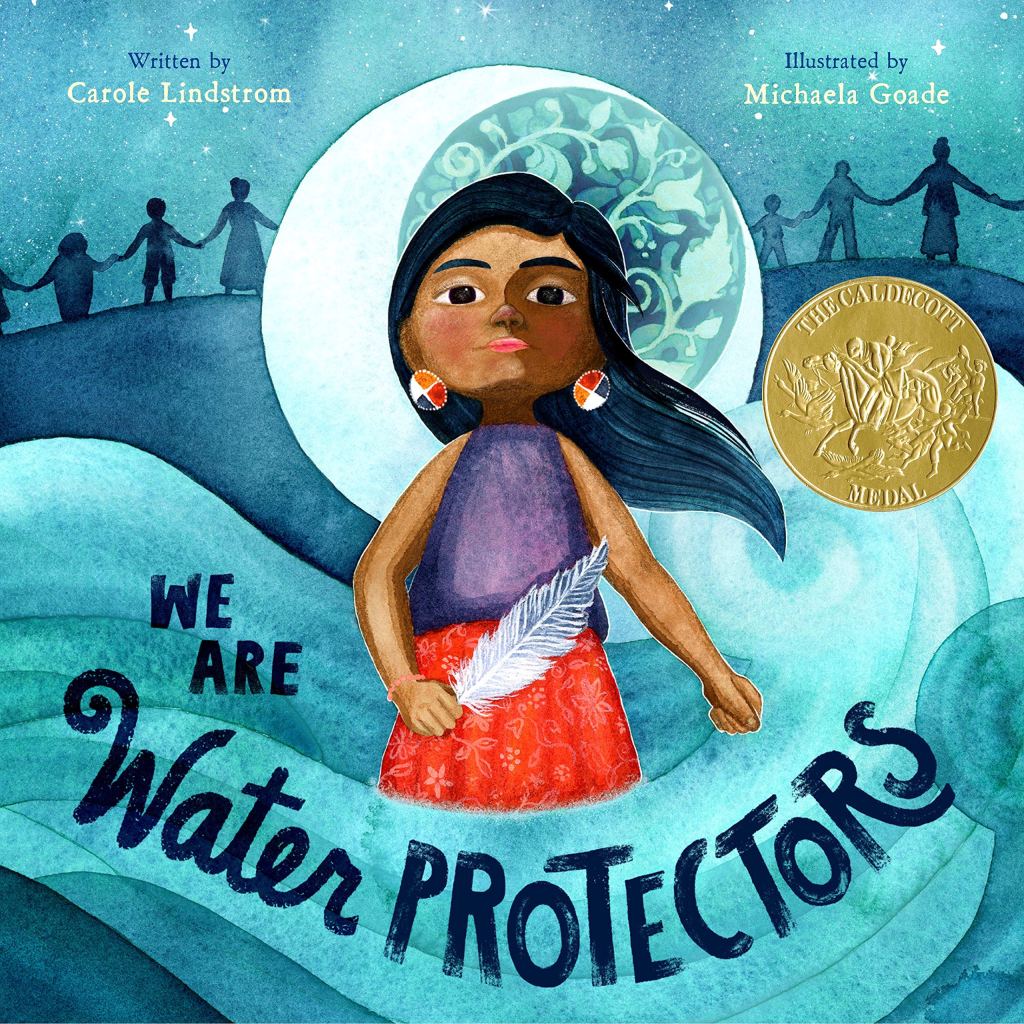
The Water Protectorsย (Roaring Brook Press)
Written by Carole Lindstrom
Illustrated by Michaela Goade

For ages: 3-7
Indigenous people have long been protectors of the natural world against industrial expansion. Recently, the Dakota Pipeline was the focus of years of protests by native groups trying to keep their water sources free of contamination. The young unnamed narrator tells us how โ€œwater was the first medicine,โ€ the origin of life in all communities. She tells of a prophecy about a black snake who would come to poison the land, and this turns out to be a pipeline pumping oil. The imagery here is gorgeous, rich with metaphor, and incredibly evocative. Throughout the text, the idea of community responsibility and ancestry is emphasized. Students will walk away realizing they are part of a continuum that goes back generations, so they need to think about how they leave this world for the generations to come.


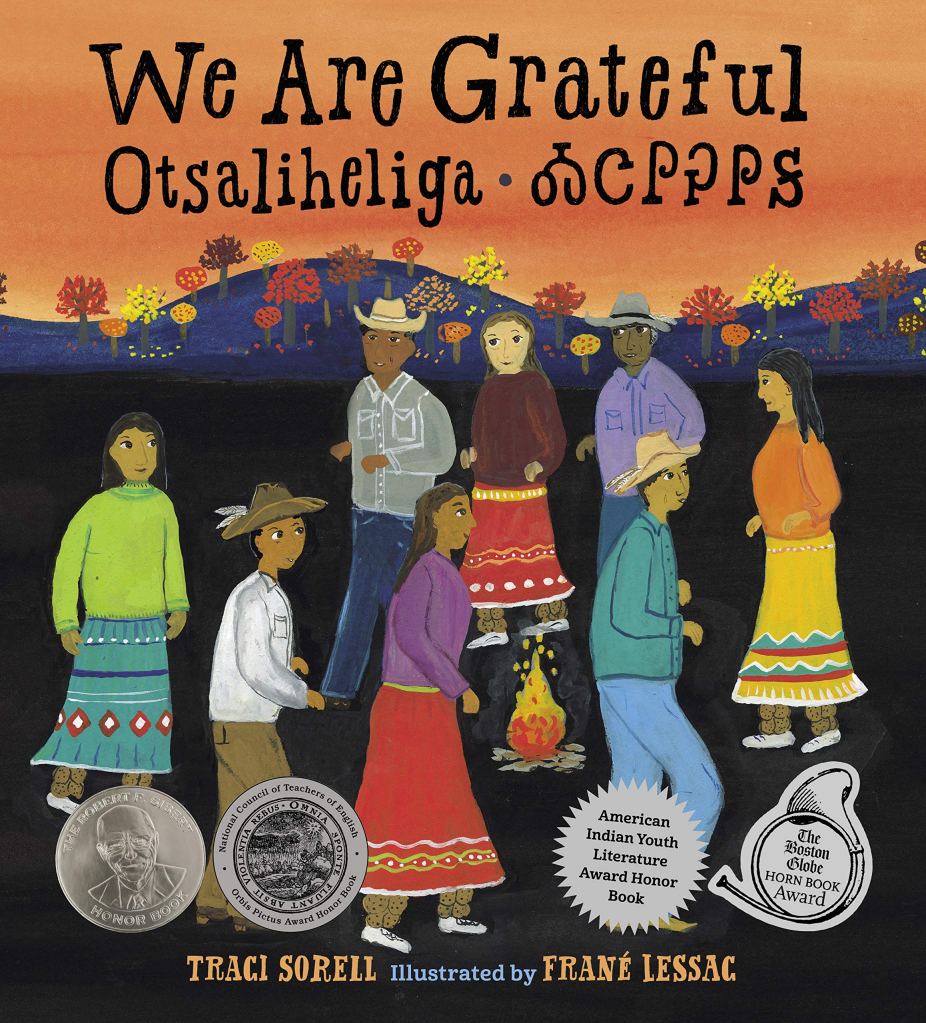
We Are Grateful: Otsalihelgiaย (Charlesbridge)
Written by Traci Sorrell
Illustrated by Frane Lessac

For ages: 3-7
In Cherokee, the phrase โ€œOtsalihelgiaโ€ means โ€œwe are grateful,โ€ It is a sentiment shown towards each day of life and the passing of time. Author Traci Sorrell was raised in the Cherokee Nation and presents a story about the seasons that also showcases how modern Cherokee life continues many of the traditions of their ancestors. Through a folk art style provided by Frane Lessac, we watch Cherokee people participate in contemporary life: dadโ€™s staying at home to raise kids, a relative in the military deployed. This is intermixed with seasonal rites of passage & traditions like planting strawberries, playing stickball, and holding special community meals. The text also includes a glossary for the Cherokee words used, which helps expand the learning that can be done with this great book.ย 


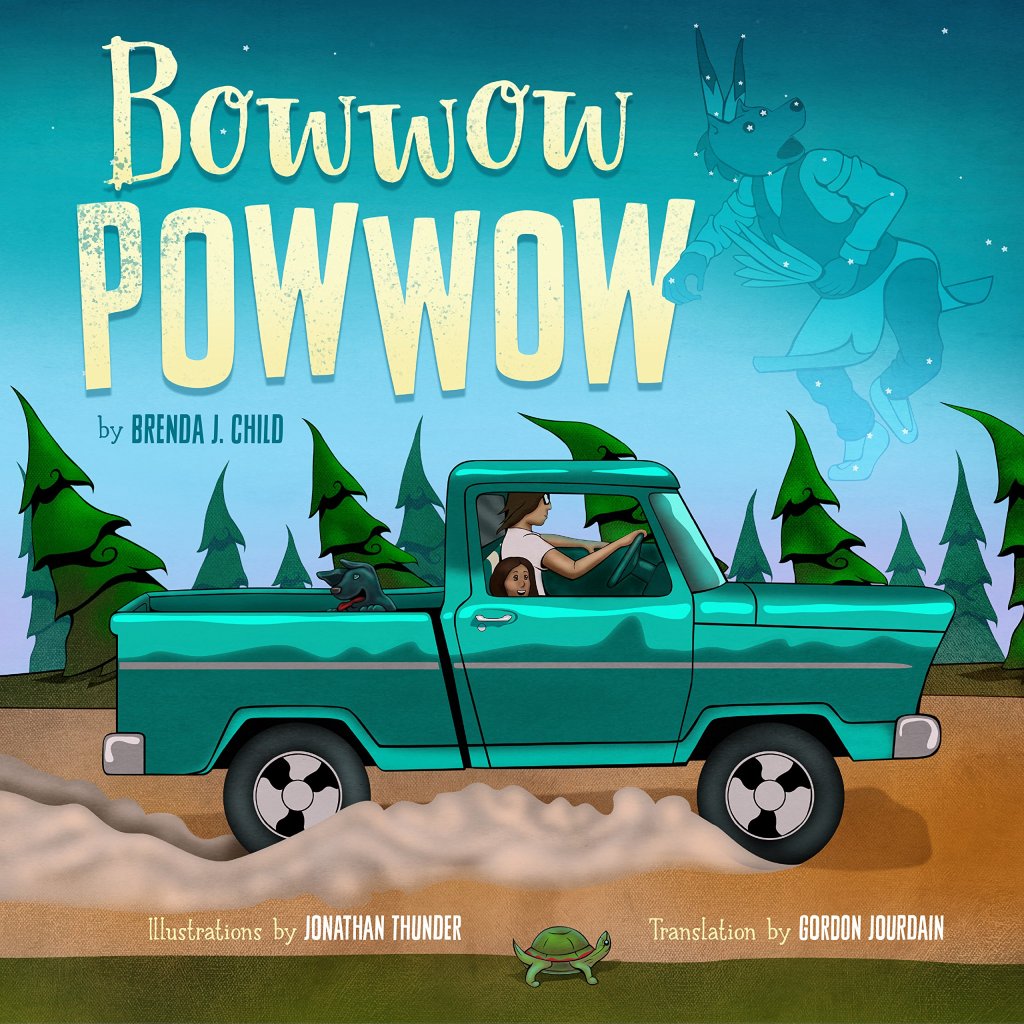
Bowwow Powwowย (Minnesota Historical Society Press)
Written by Brenda J. Child/Translated to Ojibwe by Gordon Jourdain
Illustrated by Jonathan Thunder

For ages: 3-7
Windy Girl loves many things: Her dog Itchy Boy, her Uncle, and the annual Powwow. She rides around in Uncleโ€™s truck listening to him tell stories about his youth on the reservation. When they arrive, Windy Girl begins to imagine what this big event would be like if the dogs ran it. She imagines the animals running the food stalls, wearing ornate costumes, and engaging in tribal dances. Author Brenda Child has worked with Gordon Jourdain to translate the entire book into Ojibwe, so students get a chance to not just learn about the customs of this particular people but also see their language side by side with English.ย 


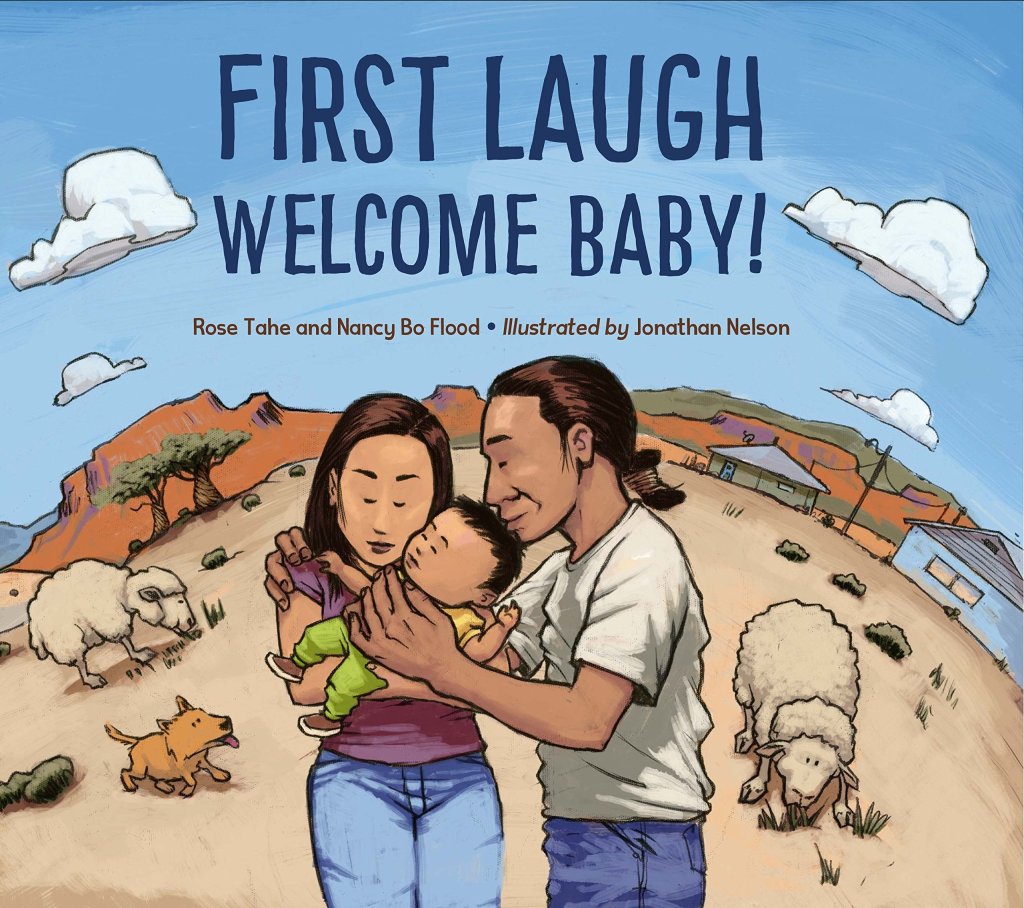
First Laugh: Welcome Baby!ย (Charlesbridge)
Written by Rose AnnTahe and Nancy Bo Flood
Illustrated by Jonathan Nelson

For ages: 3-7
First Laugh introduces readers from outside Navajo traditions to a unique cultural experience. For a Navajo family, their babyโ€™s first laugh is a celebratory moment. The book follows a family as they anticipate this moment. Baby yawns and cries but hasnโ€™t laughed yet. The family is shown living in a contemporary urban space with both parents working while Grandmother attends to the baby. Older siblings help take care as we see a beautiful depiction of an intergenerational household. The family also retreats to a rural area where Baby is bound upon a cradleboard as the parents attend to chores around the land. First Laugh reminds us of the beauty in everyday acts, showing how even a babyโ€™s laugh is something to cherish. Unfortunately, author Rose AnnTahe passed away before her debut book was published. Still, sheโ€™s left behind a reminder of what we can learn from indigenous people. Celebrate every moment of life as time passes way too quickly.


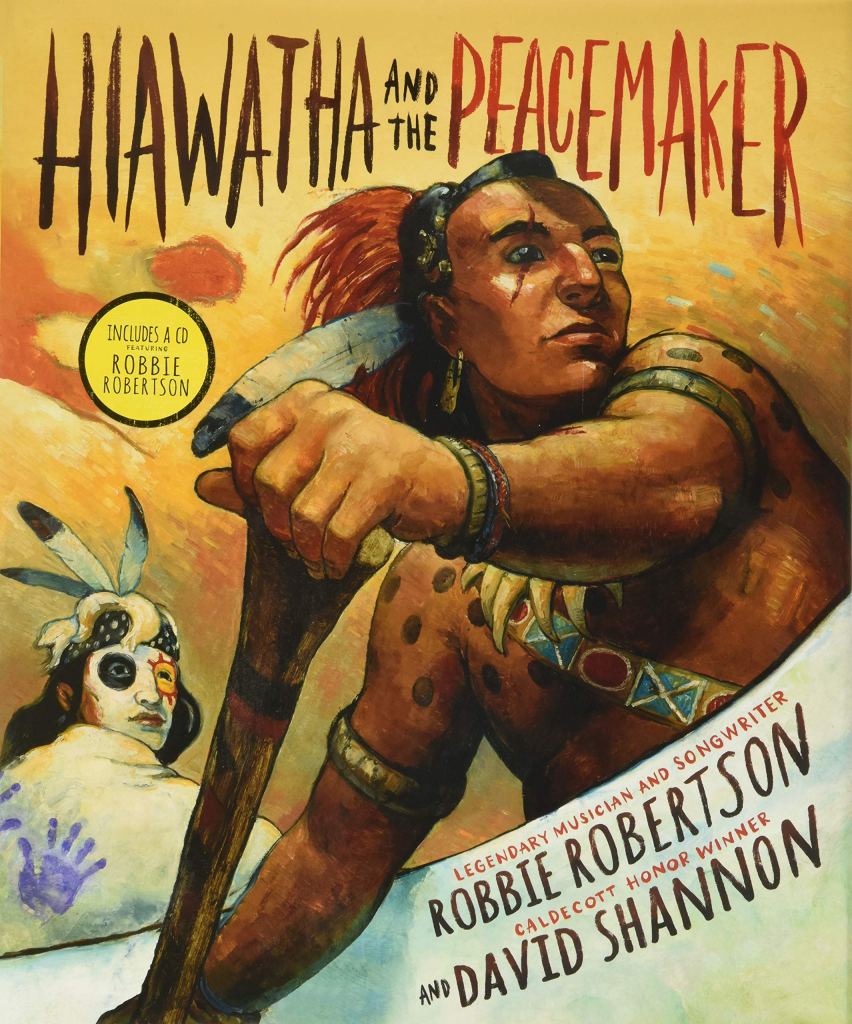
Hiawatha and the Peacemakerย ย (Harry N. Abrams)
Written by Robbie Robertson
Illustrated by David Shannon

For ages: 4-8
Award-winning musician Robbie Robertson tells a story close to his First Nations heritage. Hiawathaโ€™s family is killed by an enemy tribe while hunting. This sends the man into a place of despair until the mysterious Peacemaker arrives to offer him hope. This Native wise man guides Hiawatha in forming the Iroquois Confederacy and working through his grief & anger. David Shannon makes many appearances on this list, providing colorful, dynamic illustrations for this beautiful story. The founding of this united tribal group would prove to have significant ramifications, working as a blueprint for Americaโ€™s founding fathers when they penned the Constitution. One of the most engaging texts Iโ€™ve worked on with students.


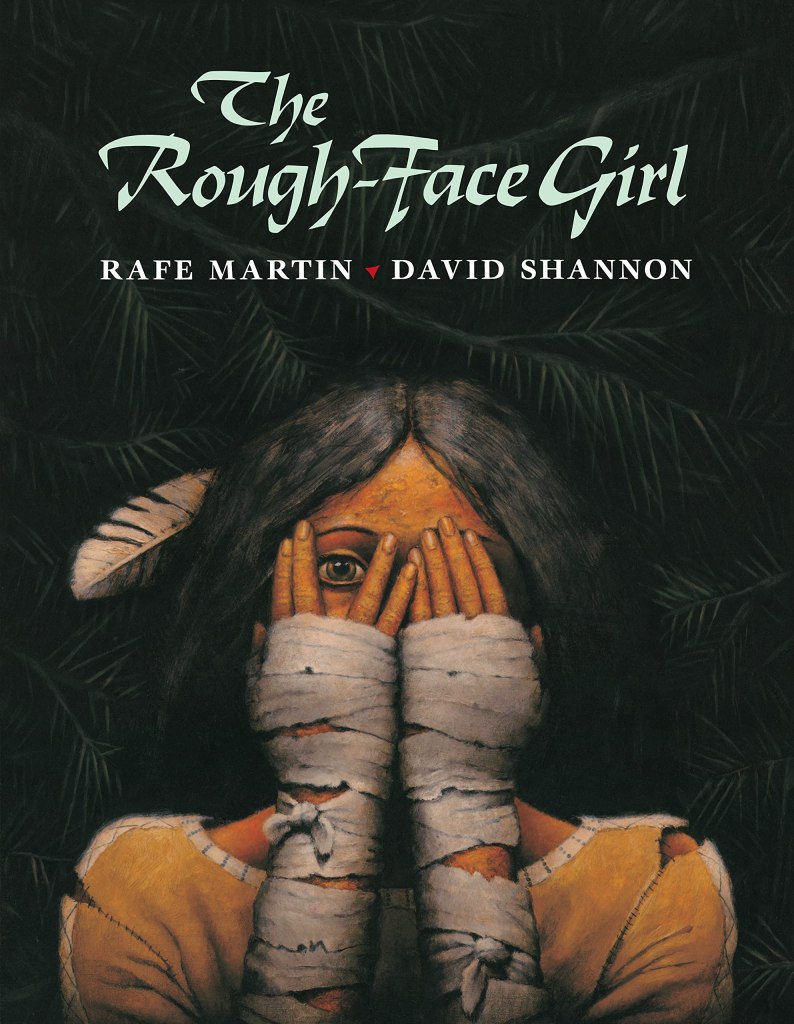
The Rough-Faced Girlย (Puffin Books)
Written by Rafe Martin
Illustrated by David Shannon

For ages: 4-8
From the Algonquin people comes this variation on the Cinderella fairy tale. On the shores of Lake Ontario lives an invisible man. All the women in the region wanted to marry him. He was supposedly very handsome, rich, and powerful. The only way to marry him, though, is to prove to his ever-present sister that you have seen him. Woman after woman fails to prove it until the strange rough-faced girl comes to visit. The art here by David Shannon will shock those familiar with his cartoon-ier work; itโ€™s incredibly effective and dark at some points. Itโ€™s also a Cinderella story in the most fundamental concept and is its own very engaging tale. Students will be left with a powerful message about the difference between honesty over dishonesty.


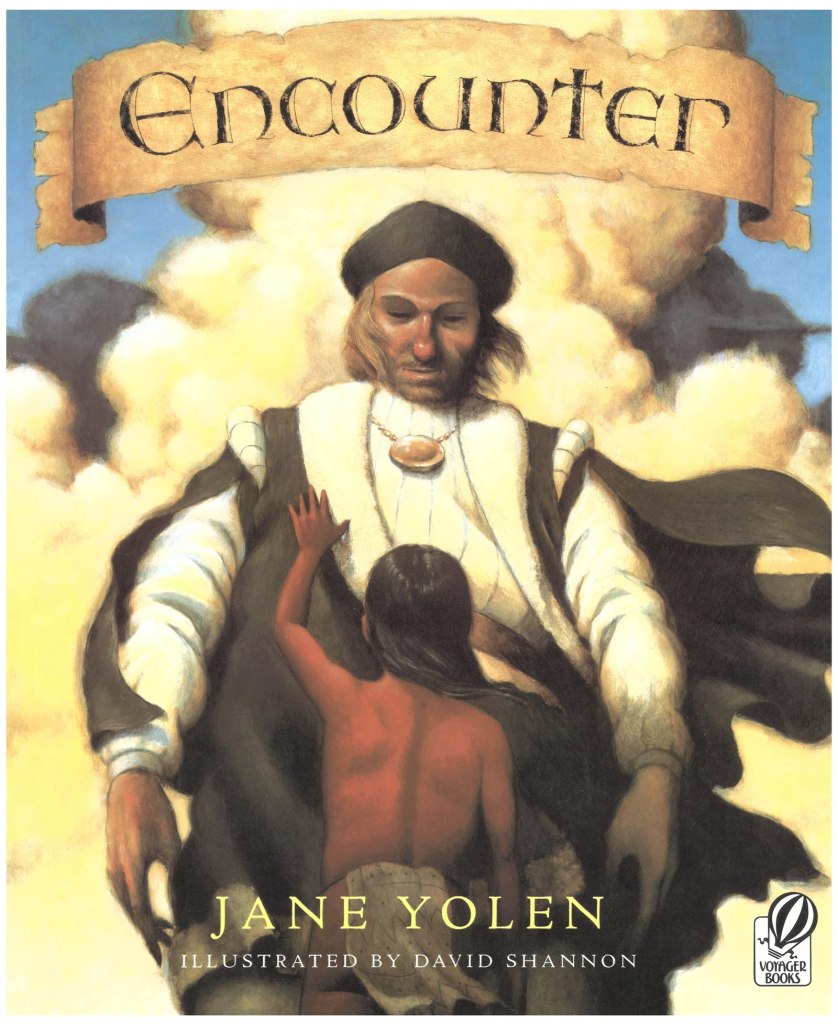
Encounterย (Houghton Mifflin Harcourt Books for Young Readers)
Written by Jane Yolen
Illustrated by David Shannon

For ages: 6-9
The story of Christopher Columbus and his arrival in the New World has seen a lot of clarification in the last few decades. Legendary author Jane Yolen delivers an emotionally moving story of Columbusโ€™s arrival told from the perspective of an indigenous child. The narrator sees both the beauty and the horror of what is happening to their home in some truly effective illustrations courtesy of David Shannon. Yolen has composed a story that is age-appropriate for primary students while not softening the blow of the harm done by the famous explorer. Encounter is a story both children & adults need to hear, and itโ€™s an essential part of reckoning with our past to make a better future.

community, culture, race, social-emotional, spotlight

Book Spotlight: Milo Imagines the World/All Because You Matter

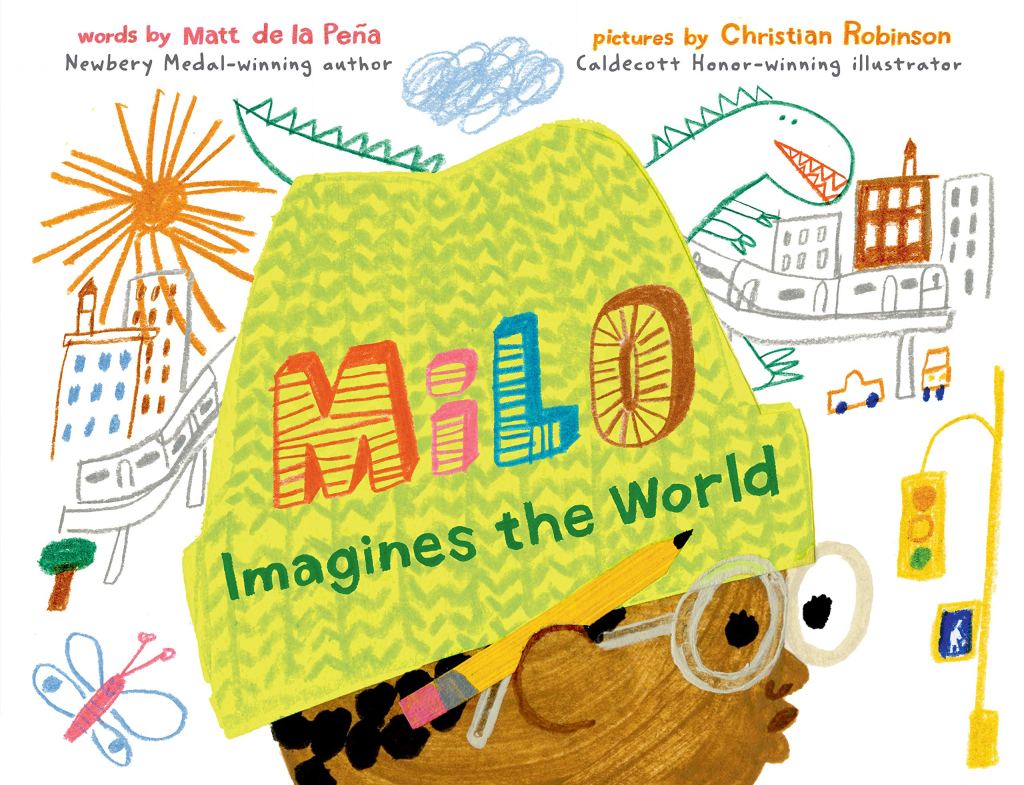
Milo Imagines the World (G.P. Putnamโ€™s Sons Books for Young Readers)
Written by Matt de la Peรฑa
Illustrated by Christian Robinson

For ages: 4-8
I adore Matt de la Peรฑaโ€™s work, and Milo Imagines the World is his best to date. This is the sort of book that came along at the exact right moment to speak to both children and adults. It talks to us about the assumptions we make about strangers and how these are often wrong. Thereโ€™s undoubtedly a survival mechanism behind our brainsโ€™ ability to try and paint a mental picture of unfamiliar people. The phrase โ€œDonโ€™t judge a book by its coverโ€ is one that touches on our relationships with strangers as well as literature. So you might see the cover of this fabulous book and think you know what it is. Like myself, you would be wrong.

Milo and his older sister are taking their weekly Sunday subway ride. The destination isnโ€™t revealed until later, which plays into our assumptions about the protagonist. Milo gets out his sketchbook and people-watches. When he sees someone that interests him, he draws what he imagines their life at home might be like. A sour-looking passenger lives in a rat-infested apartment. A doorman outside a lovely building yells at a group of boisterous teenagers wearing colorful clothes. A boy wearing a suit lived surrounded by servants.

Milo is entirely wrong, though with a gut punch that reveals the destination of his trip, a city jail. Miloโ€™s mother is incarcerated there, and so is the mother of the little boy in the suit. This sudden realization of how wrong he was causes Milo to revisit his subway sketches. Now he imagines private lives full of love and family, a stark difference from when he first saw these people. De la Peรฑaโ€™s language is rich and descriptive, some of the most vital writing Iโ€™ve seen in a picture book in years. The illustrations by Christian Robinson are child-like yet not simple; they burst with color and perfectly capture the feel of a childโ€™s thoughts. The story told here is vital for children everywhere. In my opinion, this is a required text for every primary classroom in the 21st century.

Activities

1. This is a fantastic book to introduce younger students to the idea of implicit bias. You could prepare images that might surprise children (male nurse, blind person reading braille, wheelchair basketball players). Ask the children if anything about these images surprises them and discuss what media has made them think people are limited to be.

2. Because Miloโ€™s mother is in jail, there are a lot of assumptions people might make about her. With your student, make a list of five great things about Miloโ€™s mom. Have students use details from the text and pictures to find these beautiful things.

3. Have students brainstorm a personal narrative (drawing and/or short essay) about a time they learned something about a person that surprised them. It could be someone they personally know or a famous figure. Please make sure they spend time writing about their assumption, the truth, and why they felt surprised.


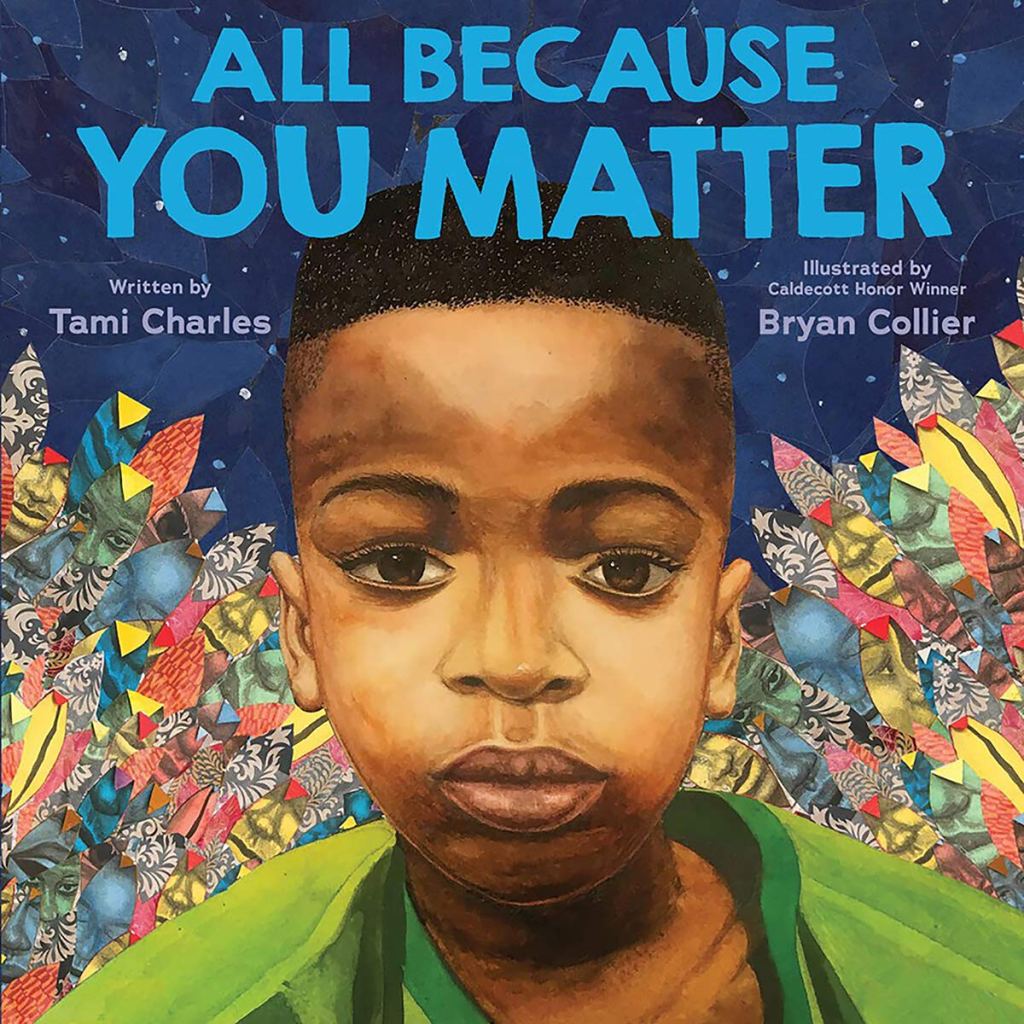
All Because You Matter (Orchard Books)
Written by Tami Charles
Illustrated by Bryan Collier

For ages: 4-8
One of the most infuriating things in the current discourse in America is the willing refusal to acknowledge the meaning of the phrase โ€œBlack Lives Matter.โ€ Among certain groups, they pretend as if it means to elevate Black lives above others rather than its actual intention: to give value to the lives of a group of people continually harmed in American society. Black children constantly see and hear about people who look like them murdered by police or civilians. Then the people who can change the broken systems are entirely unwilling. To contemplate the psychological/emotional/spiritual pain, these children have to feel can be overwhelming. Imagine how they must feel. Tami Charles wants to help these children feel beautiful and empowered despite society trying to marginalize them. 

Charles speaks to โ€œyou, dear child.โ€ She speaks as a mother, a teacher, a caregiver. This beautifully illustrated poem begins by talking about how the childโ€™s ancestors dreamed of them for generations; the arrival of this child was an event like no other. Every challenge they overcame, every slight they suffered, was all to get to where this fantastic child was born. The narrator acknowledges the sad reality of things, invoking the names Trayvon/Tamir/Philando. Despite the protestations of ill-intended โ€œparent groups,โ€ Black children know these names, and no amount of book banning can silence the truth. The book does not focus on the tragedies, but Charles knows it would be dishonest to pretend they didnโ€™t happen.

Charles has stated she wrote this book to provide a starting point to discuss race in 21st century America. It is centered in a place of love and care; the word โ€œmatterโ€ is so important. Black childrenโ€™s lives matter, and that is something many have to be actively told because the world at large is not relaying the message. The book exists to encourage children never to forget they are loved by the people they know but also those in their family and community even if they passed long before that child was even a thought. This isnโ€™t just a well-meaning flowery text meant to make the reader feel good. It touches on how it feels for a child to see ream after ream of pages marked up with red and Fs despite how hard they try. It reminds children of how beautiful their skin and hair are, no matter what the media might tell them. Like Milo Imagines the World, this is a book for now and forever. 

Activities

1. Have students make a list or drawings about ways that they matter. This could be about special skills they know, ways they help in their home & community, just everything they love about themselves, and they see as important. 

2. Tami Charles wrote this book with her son in mind. Have students write a letter to Tami Charles. Tell her what you thought about Because You Matter. Then, have them share a few details about themselves and compose a question they would like to ask the author.

3. In the text, a boy enters a new classroom, and someone makes fun of his name. Have your student write their name as large as possible on a single sheet of paper and decorate it to reflect their feelings and interests. Celebrate everyoneโ€™s names.

culture, food, spotlight

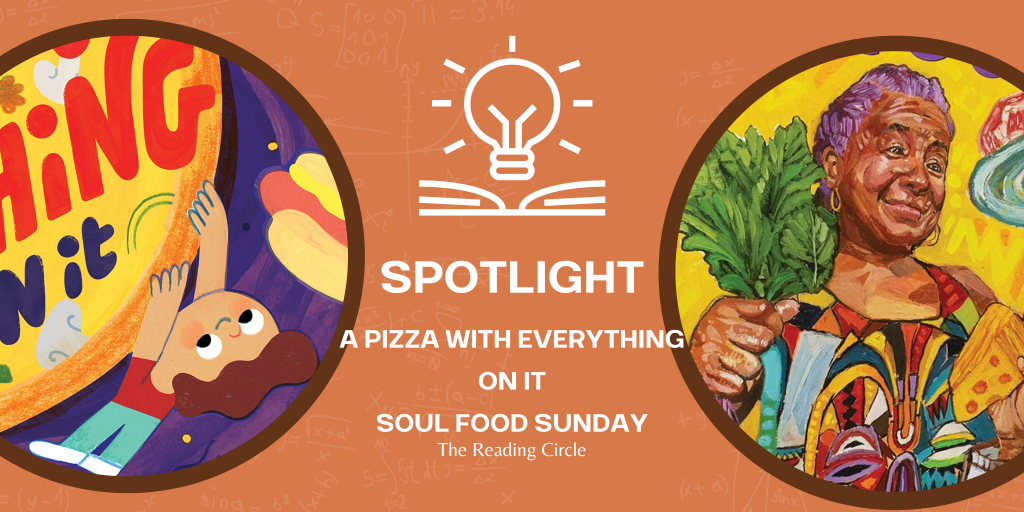
Spotlight – A Pizza With Everything On It/Soul Food Sunday

If you are a parent or teacher, you know how food can be a powerful motivator for children. Itโ€™s not just that they want to eat it, but they have strong opinions about what they like and donโ€™t like. If you ever need a child to write an opinion paper, just ask them about a food they have strong feelings about, and the report simply writes itself. Food is also something we share with the people we love and therefore bonds communities together. The preparation and serving of food is one way people show that they love each other. These two books center on children sharing a food experience with a significant adult in their family. While one is silly & chaotic and the other is joyful & heartwarming, they both capture how vital food is to being alive.

Continue reading “Spotlight – A Pizza With Everything On It/Soul Food Sunday”