homelessness, humor, spotlight

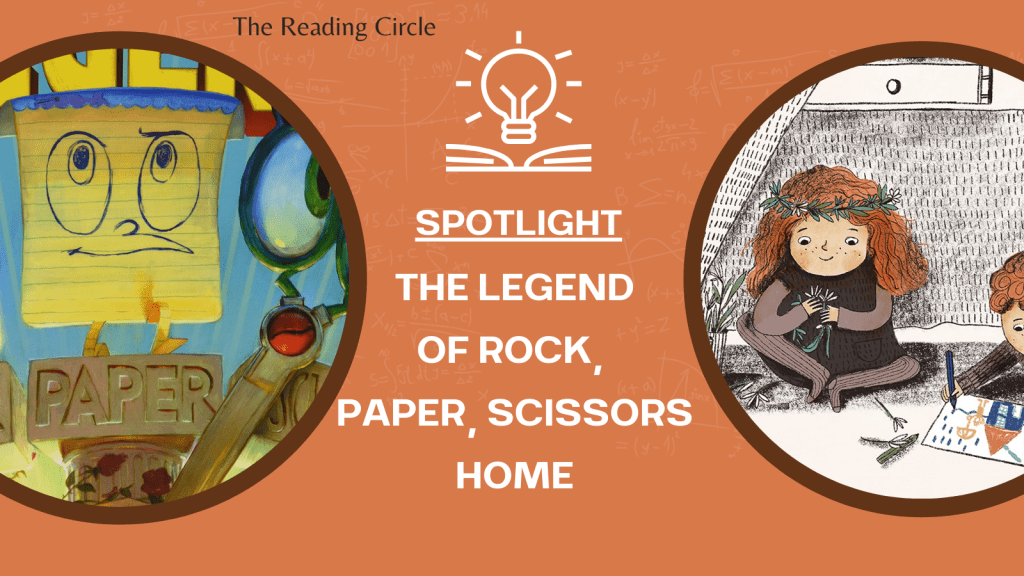
Spotlight: The Legend of Rock Paper Scissors/Home

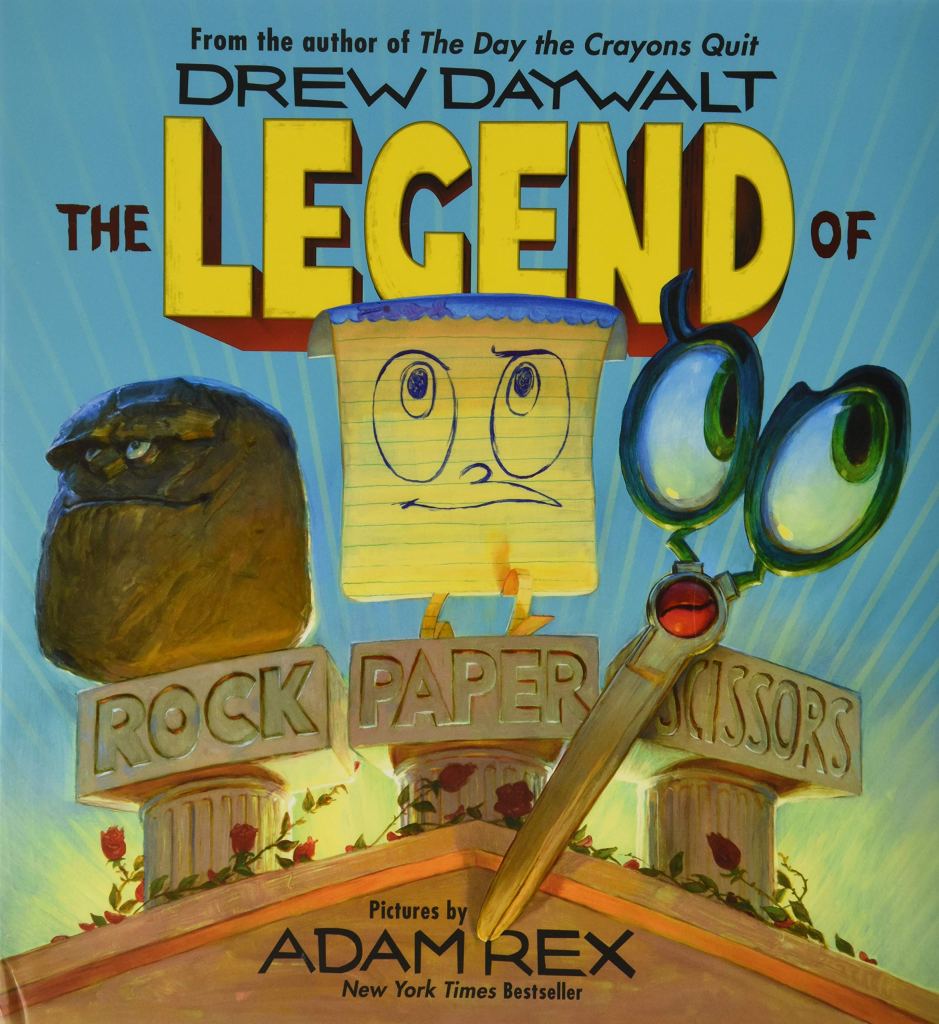
The Legend of Rock, Paper, Scissors (Balzer + Bay)
Written by Drew Daywalt
Illustrated by Adam Rex

For ages: 4-8
Some children’s games are just that, but some are more mythic. That’s the wildly hilarious tone of one of the best picture books I’ve read in the last ten years. Author Drew Daywalt (you might know him from The Day the Crayons Quit) pens a story that takes the mundane and reimagines it as akin to Conan the Barbarian or Lord of the Rings. This is one of the books that can unlock creativity and imagination through absolutely pure silliness for many children. 

Continue reading “Spotlight: The Legend of Rock Paper Scissors/Home”
book list, humor, read-aloud

Book List: Read Alouds

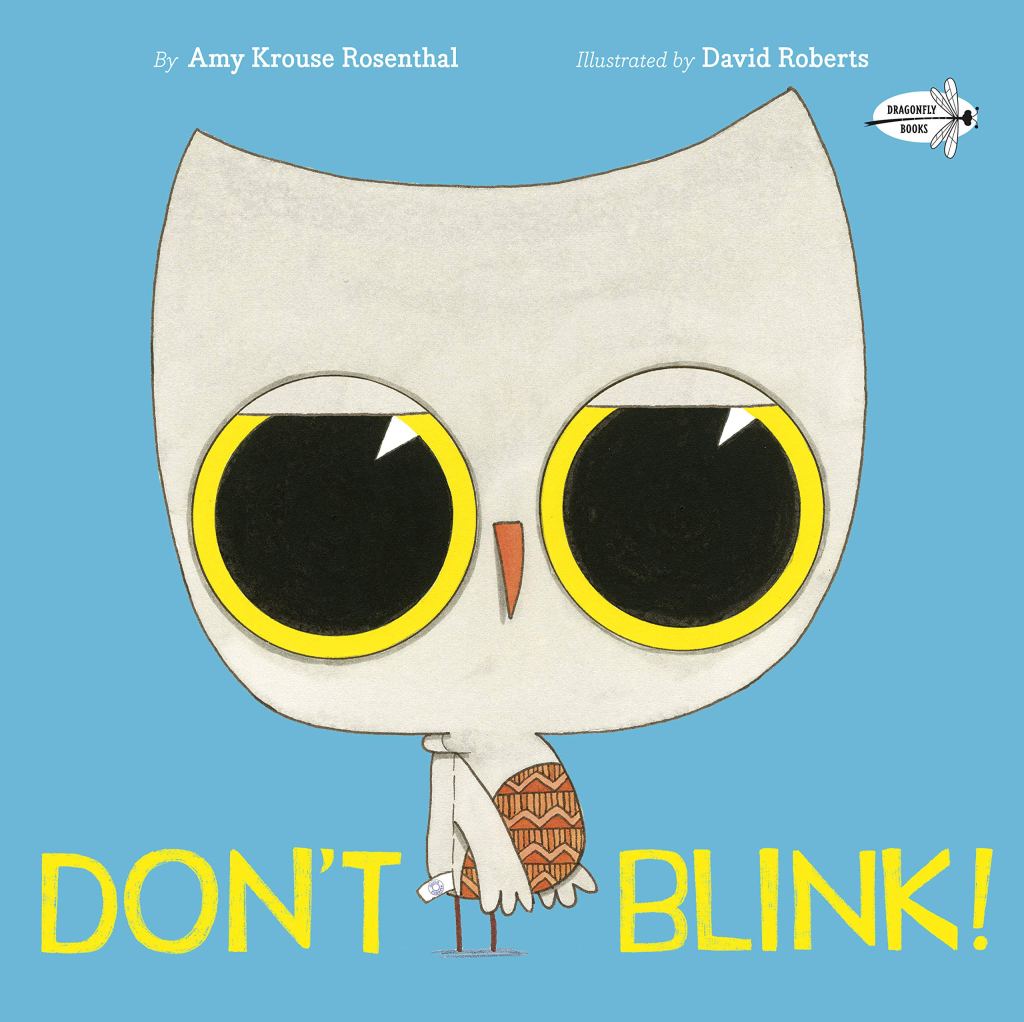
Don’t Blink (Random House for Young Readers)
Written by Amy Krouse Rosenthal
Illustrated by David Roberts

For ages: 3-7
One of the most fun things about books made for reading aloud is that they engage early readers in a manner that helps reinforce the joy of reading. Don’t Blink is a perfect starter and a great bedtime read. The narrator, a big-headed owl, asks the reader not to blink. However, if they do, they must turn the page. The little owl keeps trying to help the reader with suggestions and aids to stop blinking on the page. As you know, this will, of course, fail and so by the end, children will be laughed out and relaxed, ready for sleep. One of the standard tropes with these read-aloud books is simple pictures and sentences. This is no exception making it a book that won’t intimidate reluctant readers.


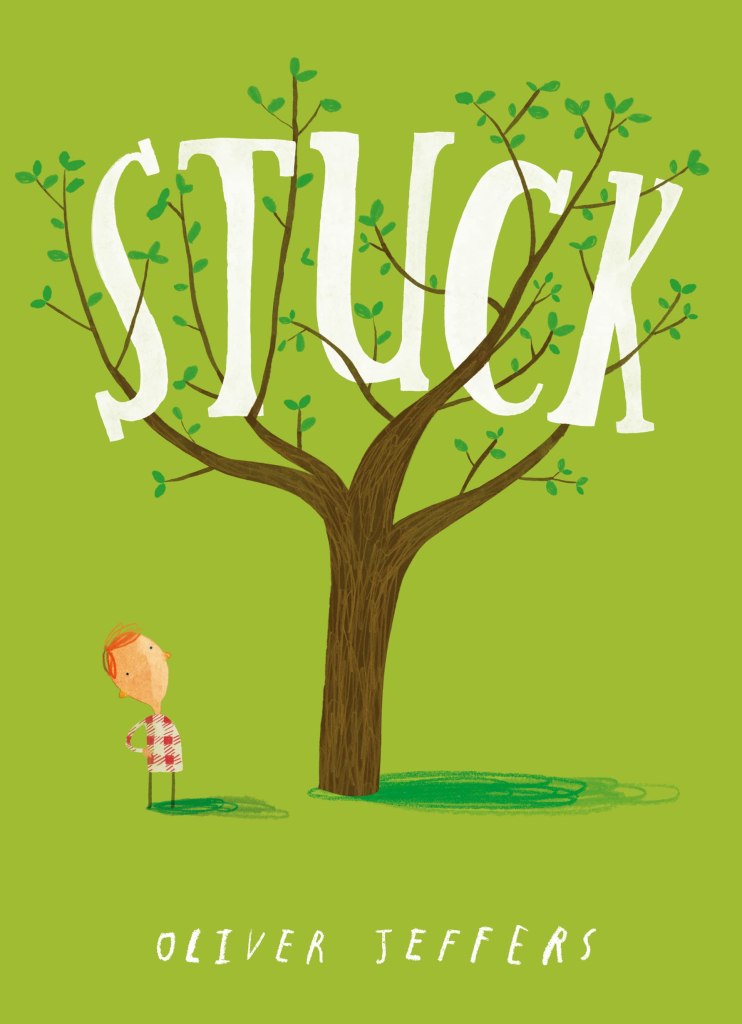
Stuck (Philomel Books)
Written & Illustrated by Oliver Jeffers

For ages: 3-7
Irish writer-illustrator Oliver Jeffers has such a clever sense of humor, and it’s on full display here in the silly, bite-size Stuck. A boy named Floyd gets his kite stuck in a tree and wants to get it down. Simple enough. His decision to keep throwing increasingly ridiculous things up into the tree to get the kite down is where the laughs begin. At first, they are small and inanimate. By the end, he’s chucking a bucket of paint, the milkman, a lighthouse, and even a whale into the tree. Jeffers’s writing plays as a highly deadpan narration. It should be read as such to elicit laughs from your audience. This is one of those books that will become a treasured favorite re-read.


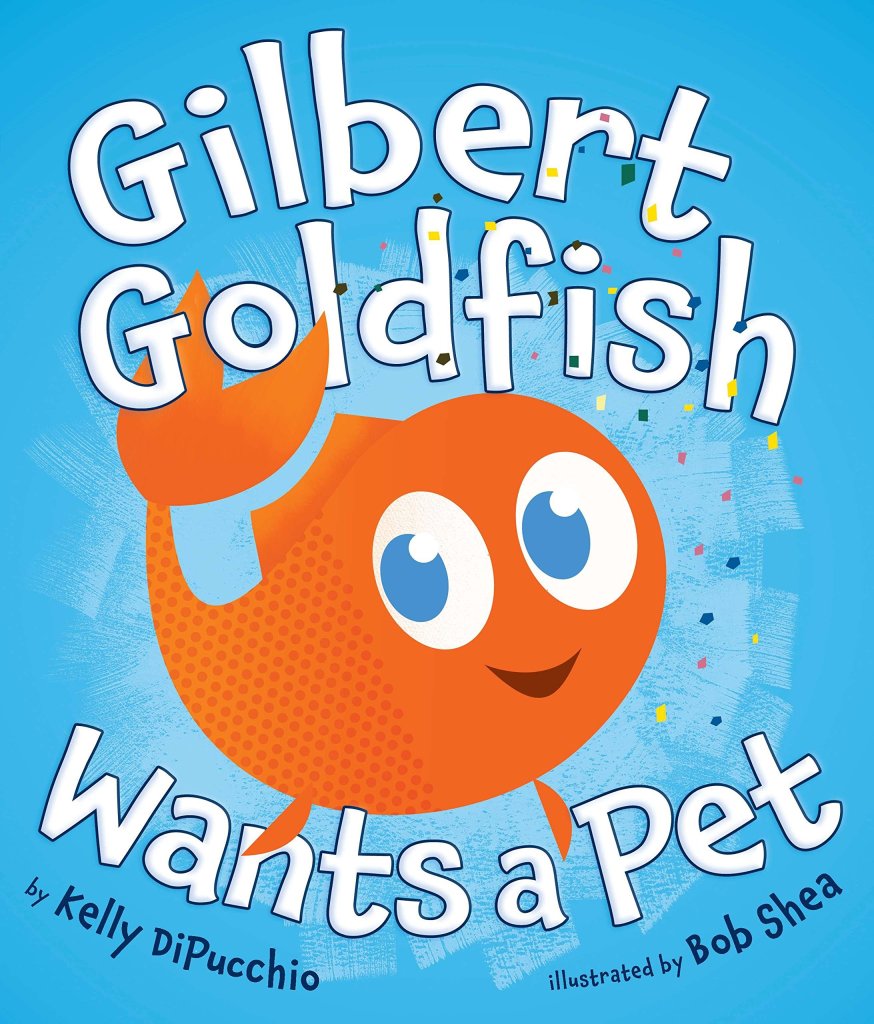
Gilbert Goldfish Wants a Pet (Dial Books)
Written by Kelly DiPucchio
Illustrated by Bob Shea

For ages: 3-7
Gilbert is a goldfish who wants a pet of his own. He doesn’t limit himself based on living in a fishbowl and imagines himself able to handle any pet a human could. A dog comes to the house, and Gilbert loves him, but the loud barking brings our fish friend back to reality. A curious mouse approaches the bowl but runs away when he realizes Gilbert isn’t a piece of cheese. A fly is quickly taken out of the picture, thanks to a swatter. Throughout these encounters, Gilbert questions if he can handle a pet. This makes for a great read-aloud due to all the predictions opportunities. With each pet comes a moment where you can ask your little readers what they think will happen and why.


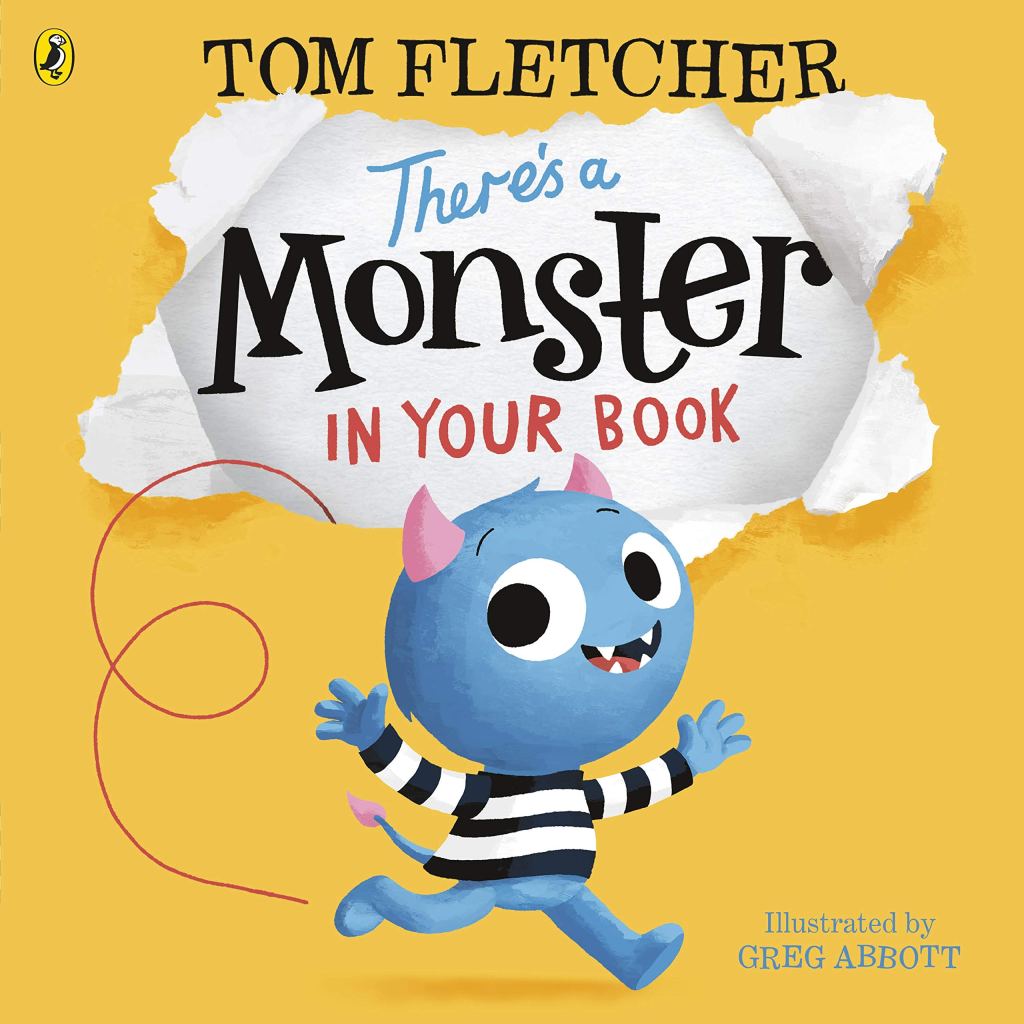
There’s a Monster in Your Book (Random House Books for Young Readers)
Written by Tom Fletcher
Illustrated by Greg Abbott

For ages: 3-7
There’s a Monster in Your Book begins with a cute little creature munching away on the corner of a page. The unseen narrator implores the reader to help him get rid of this uninvited guest. Readers are asked to shake, spin, and tilt the book to knock him out. It gets amusing when readers will need to blow, shout, and tickle the monster as he clings tighter. Eventually, the narrator realizes it’s much better to keep the monster in the book than have him running around their room. This is a fun, innocent tale that will command young readers’ attention. The book provides many opportunities for movement and laughter but eventually transitions readers back into a calm state.


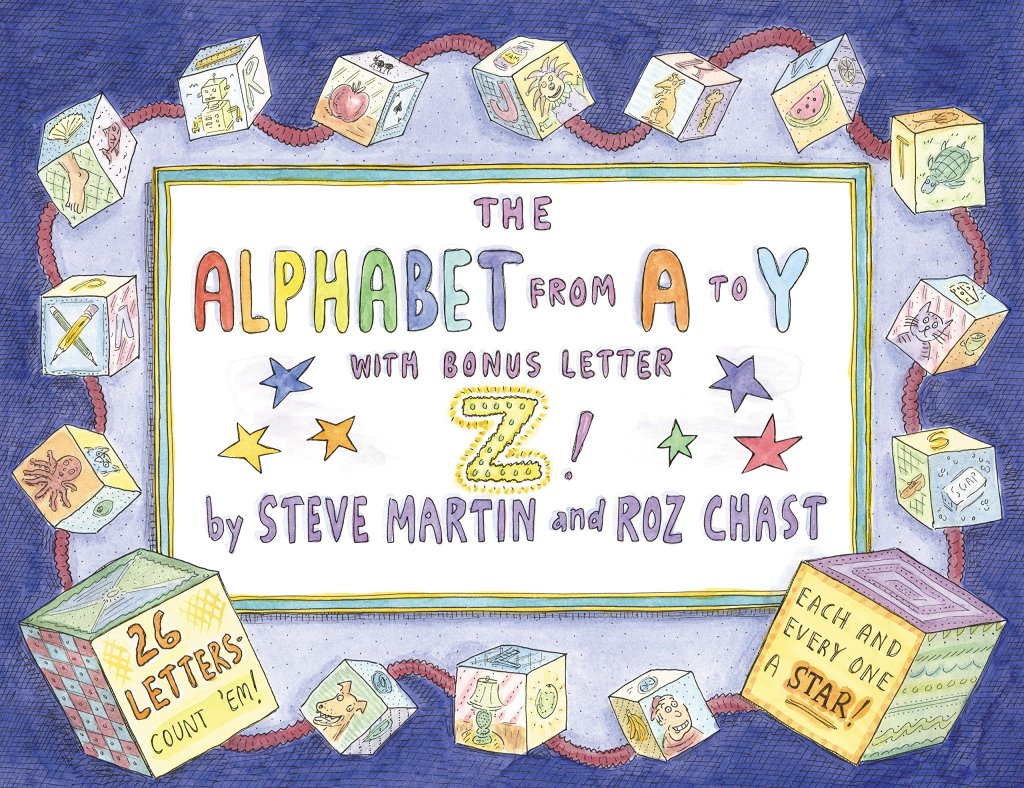
The Alphabet from A to Y with Bonus Letter Z With Bonus Letter Z! (Flying Dolphin Press)
Written & Illustrated by Steve Martin and Roz Chast

For ages: 3-7
Comedian Steve Martin brings his sense of humor to this children’s alphabet book. Each two-page spread includes an alliterative couplet featuring the spotlighted letter and a very busy image bringing that couplet to life. There are many details, all tied to the featured letter, in the picture that make revisits to stare at the pictures very likely. This won’t click with every person, but for those who share Martin’s sensibilities, they’ll have a lot of fun. There are references to poop and other things that could be considered tasteless. Still, I think they’re funny, and I believe this book is a clever, creative little read.

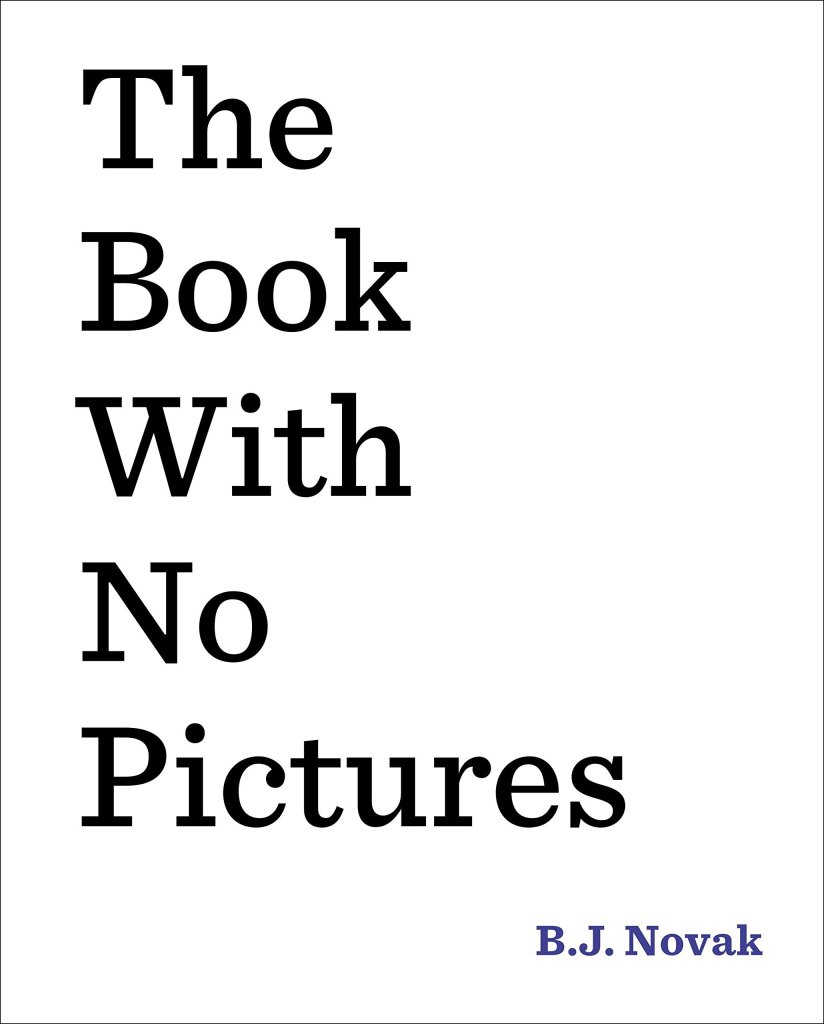
The Book With No Pictures (Dial Books)
Written by B.J. Novak

For ages: 5-8
It doesn’t sound too interesting, a children’s picture book with no pictures; however, comedian/actor B.J. Novak provides a script for a lively narrator to bring to life. The book even lacks an author portrait, describing what Mr. Novak looks like instead. There’s no narrative either; the book is just words sometimes with colorful typography. So what exactly is this book then? It’s a way for an adult to allow themselves to look silly and help self-conscious young readers see how much fun it can be to read with emotion. The reader, via the text, will beg the children in the audience to let them off the hook avoid being too silly. But of course, that’s not what the kids want, so things get wilder.


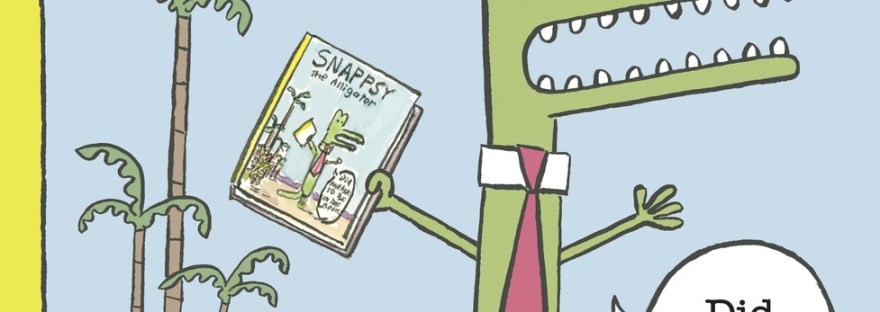
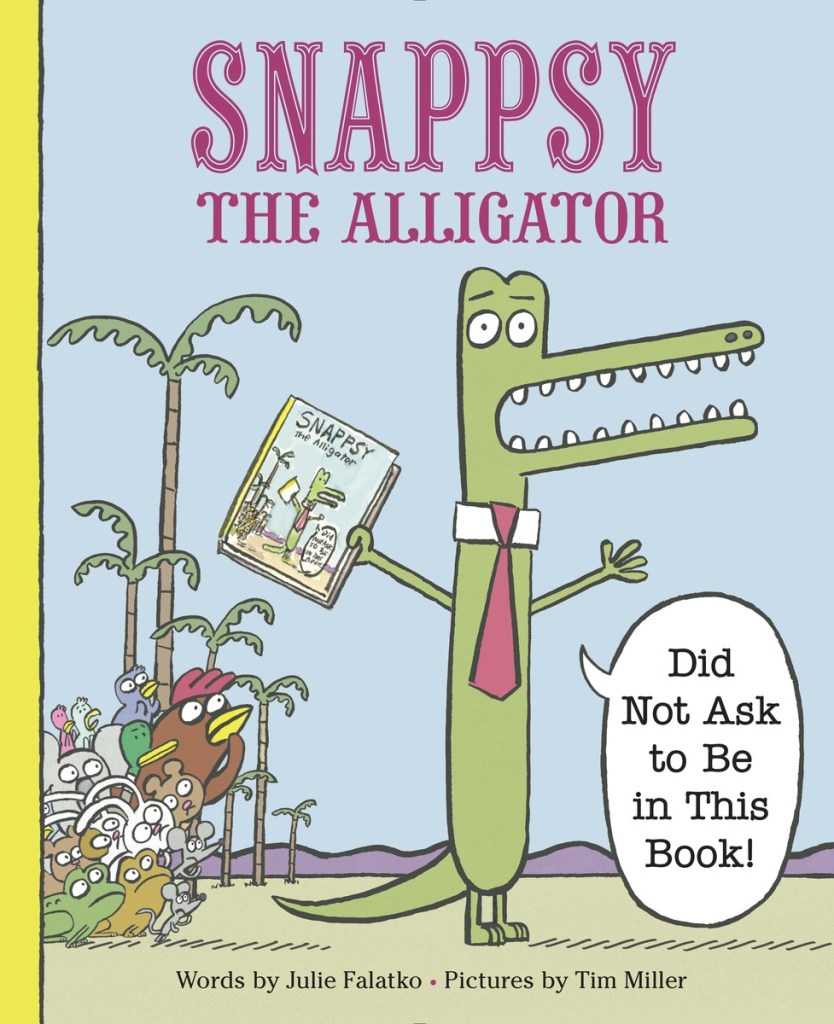
Snappsy the Alligator (Did Not Ask to Be in This Book) (Viking Books for Young Readers)
Written by Julie Falatko
Illustrated by Tim Miller

For ages: 5-8
Writer Julie Falatko plays with readers’ pre-conceived notions as she introduces us to Snappsy. The narrator tells us what a vicious predator he is, while the pictures by Tim Miller directly contrast this. Even Snappsy speaks up, telling the narrator he gets his food from the grocery store, not hunting down weak animals. Eventually, the narrator forces Snappsy into having a party, and the alligator goes along. The narrator is brought into the story at the end and gives up trying to frame Snappsy as a threat. This is an excellent introduction to unreliable narration for our young readers. Snappsy breaks the fourth wall, addressing the person holding the book and asking them to see if what they are being told is the truth or not.
humor, illustration, jon klassen, spotlight

Spotlight: The Rock From the Sky/The Old Truck

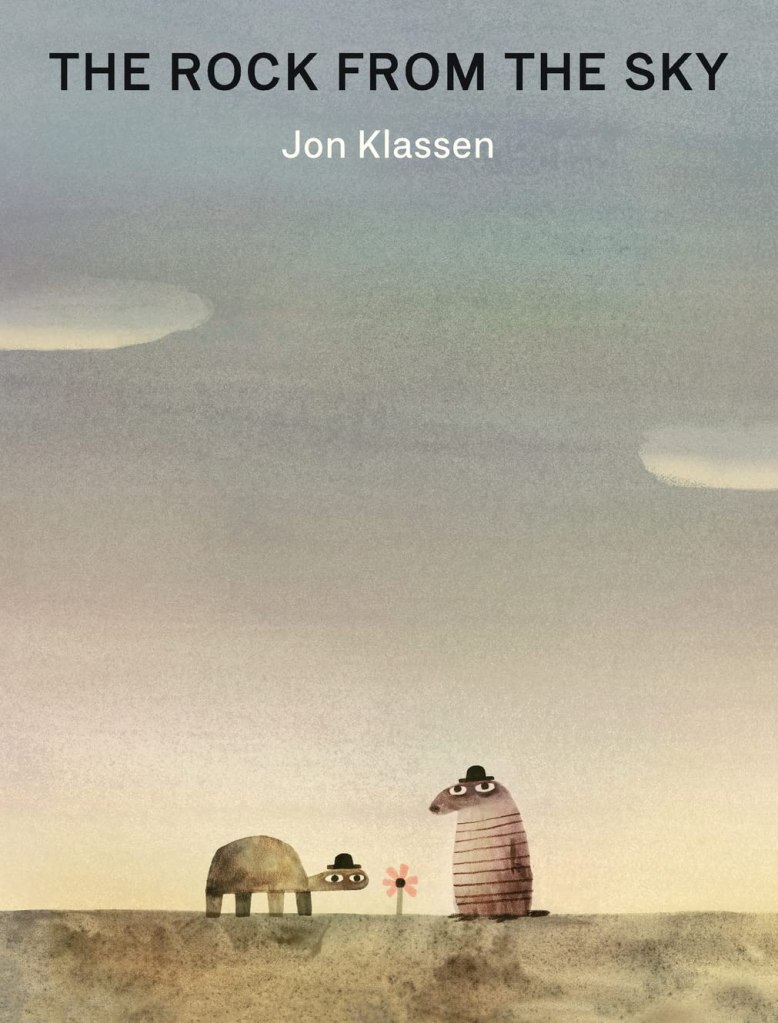
The Rock From the Sky (Candlewick)
Written & Illustrated by Jon Klassen

For ages: 5-8
Author Jon Klassen’s books are some of the most remarkable children’s literature published at the moment. On the surface, they appear incredibly simplistic; his art style is very clear & direct. There aren’t many words in his books either. However, Klassen is taking big ideas and communicating them in ways that are easy to catch. Yet, his work also lends itself to some deep analysis; he seems deeply philosophical in his writing. The Rock From the Sky is a hilarious and thought-provoking book told in chapters that play with expectations and perspective.

We follow a turtle, an armadillo, and a snake through five chapters. In part one, the turtle has a spot he loves, but the armadillo feels uneasy. In the second part, the turtle falls but won’t accept help. In part three, the duo imagines what the future must be like, encountering something mean. In part four, the armadillo and snake enjoy watching the sunset. And things wrap up in the fifth part; the turtle gets annoyed with the titular rock and takes it out on his friends. This doesn’t sound like much on the surface, a series of disconnected episodes. However, Klassen spins comedic magic out of it all.

Klassen loves dry, deadpan comedy, and that’s found in the reactions of his characters. They seem to look at the reader in the same manner characters from the office gaze into the camera when something ridiculous happens. It’s a much more subtle way of breaking the fourth wall, a gimmick many children’s books have presented in the past; it’s just so sly here. Klassen is also a student of iconic theater, and he’s remixing Waiting for Godot with his very focused cast and setting. This is a story about silliness and absurdity, and that’s something children especially need in these dire, dreadful times.

Activities

  1. Have your child imagine another animal that could be added to the cast of this story. Depending on their age & ability, have them talk out/draw/write a new chapter and how this new animal changes things up.
  2. Klassen’s books are like little plays. Have your child/students/family act out the book’s chapters. Assign a part to each person and even gather props if you’d like. If you’re feeling up for it, share your performance as a video on YouTube.
  3. Have your child/students make a profile of their favorite character. Aspects to include would be likes, dislikes, fears, behavior, and thoughts. To push your writers further, ask them to explain how this character is like/unlike themselves.

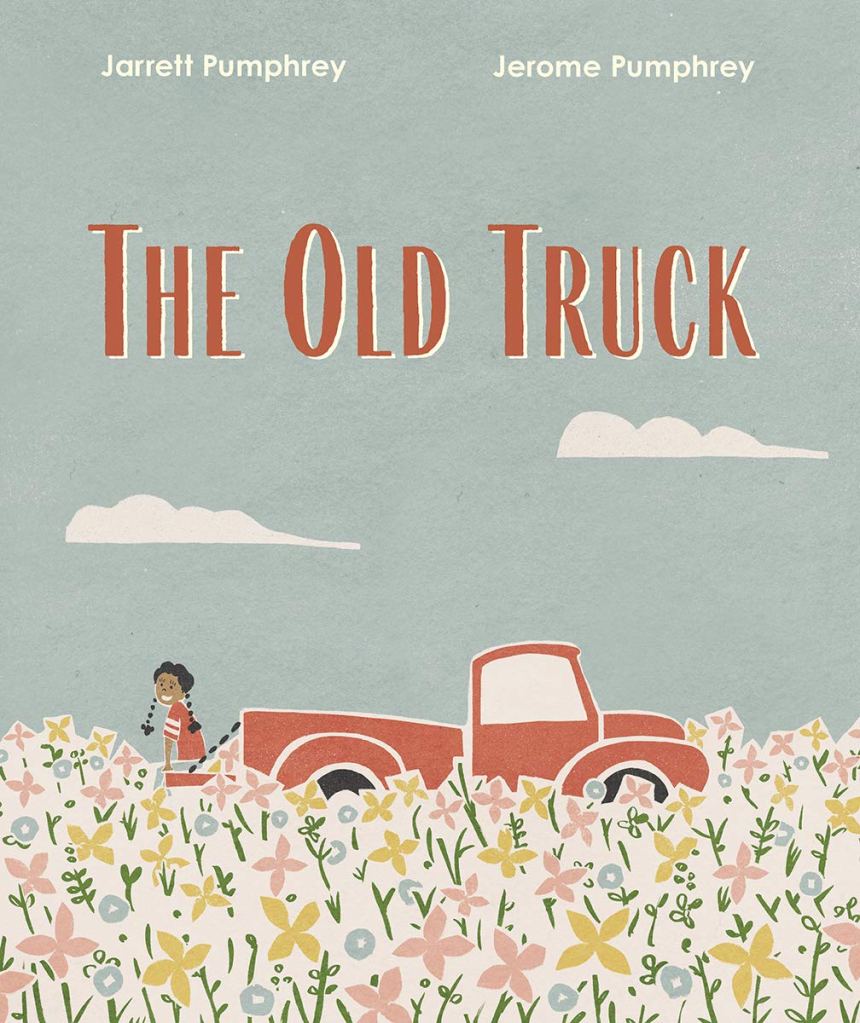
The Old Truck (Norton Young Readers)
Written by Jared Pumphrey
Illustrated by Jerome Pumphrey

For ages: 3-5
Like The Rock From the Sky, The Old Truck is another beautifully simplistic book with so much underneath the surface. Brothers Jared and Jerome Pumphrey have used ink stamps to illustrate the book, hand-making over 250 stamps to tell their story. The result of the clear communication of the drawings is that even your earliest emerging readers can page through the text and fully understand what is happening. However, even older students can find rich themes focused around age, usefulness, and finding beauty in things people might toss away. 

The story describes how a pickup truck works hard for the farmer and his family. Much of the narrative is found in the illustrations, which illuminate the simple prose. We see a little girl, the farmer’s daughter, who becomes the central human character in the story. The family loads livestock and produce into the vehicle’s bed, and at certain points, repairs must be made on the old friend. The most interesting segment comes when the truck is parked beside the barn and forgotten for many years. The text describes this as the truck going to sleep and dreaming, and in these visions, he’s transformed into a boat, a blimp, and a moon lander. The grass grows around the red truck, and it seems to be rusted and lost. However, the daughter, now an adult, gets it running again, and the automobile finds a new lease on life.

Living in a world focused on destructive consumption can make us forget old valuable things. They often get tossed aside, lost in closets, attics, and the garage collecting dust. The Old Truck points out that some items may seem useless and get set aside for a time. However, with love and care on our part, we can discover these objects are extraordinary and can keep providing the help we need. If you have ever loved a beat-up old truck, car, or van, then you’re going to find something exceptional here. It’s also a fantastic reminder that even older people, who can get sidelined in our culture, are just as valuable as anyone else in our communities.

Activities

  1. Because The Old Truck was illustrated using ink stamps, it provides an excellent opportunity for your young writers/artists to experiment in the genre. Have your student take a familiar story or one of their own and illustrate it using sponge stamps
  2. Have your child explore the objects that are boxed up in your house. Ask them to choose some forgotten thing that still has a use, even if it needs to be fixed up a little. If you like, have them write a short journal about what makes this object special.
  3. The human characters in The Old Truck don’t ever say anything. By examining the illustrations, have students write about what they believe the farm girl’s motivations were to repair the old truck.