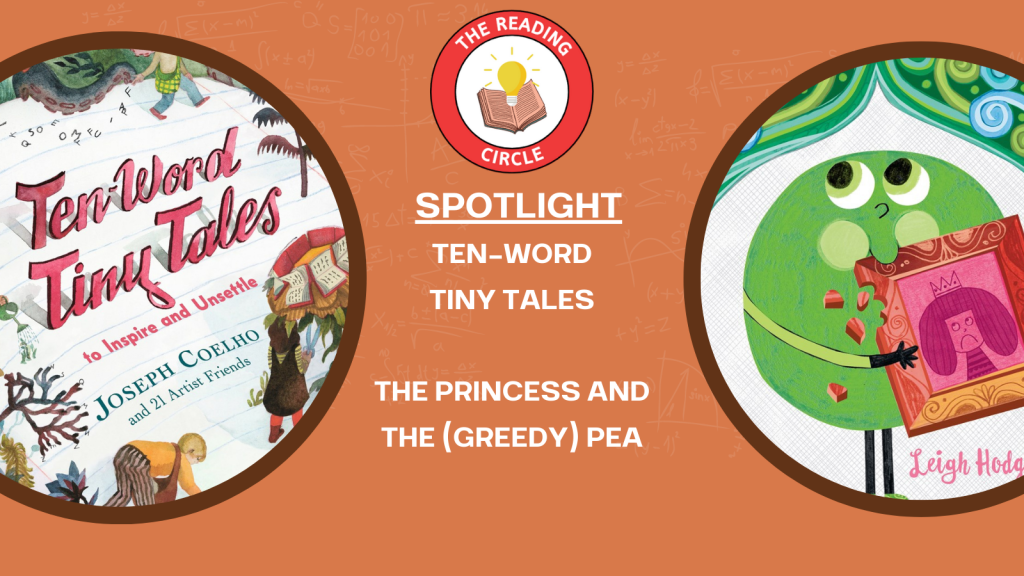
Ten-Word Tiny Tales: To Inspire and Unsettle (Candlewick Press) Written by Joseph Coelho Illustrated by 21 Artist Friends
As a child, I cultivated a love of writing that continues with me today. One of the things that sparked that initial hunger to write was being inspired by images I saw in books, film, and television. In Joseph Coelho’s book, he frames these fragmented story bits that imply a more prominent story despite being so simple. A different artist friend takes each fragment and provides their interpretation through an illustration. These illustrations are also evocative of stories that stretch beyond the boundaries of the page.
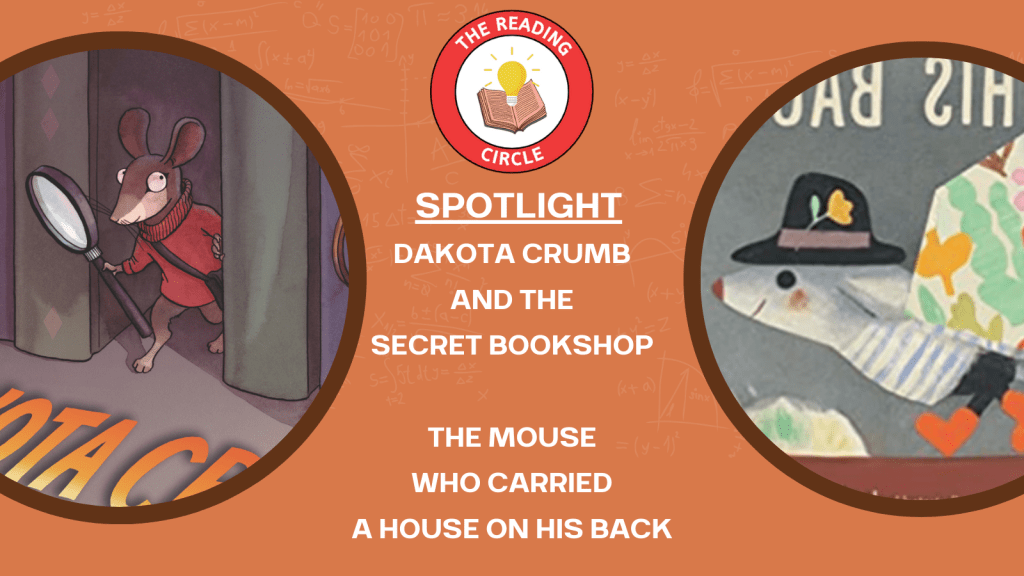
For ages: 3-7 Dakota Crumb is a treasure-hunting mouse who gets a request from her cousin to come to Paris and help find a priceless book. Dakota arrives and finds the store, bearing a magnifying glass icon on its door, and proceeds to follow a series of clues. This scavenger hunt leads her through detailed illustrations of the bookstore and eventually into danger when the store has a watchdog. However, this mystery is not what Dakota thought; her discovery at the end signals a celebration of friends and reading.
While born in Massachusetts, Christopher Denise actually grew up in Ireland. However, he would return to the States and eventually attend (you guessed it) the Rhode Island School of Design (RISD). At RISD, he honed his illustrative and design skills, working on textbooks and newspapers by providing illustrations. His debut book was The Fool of the World and The Flying Ship, an adaptation of a Russian fairytale. The book was greeted with effusive praise and hailed as a “stunning debut.” It won’t surprise anyone who sees his work to know Denise works in animation. His designs are a perfect fit for that venue.
Chuck Groenink grew up in The Netherlands. Like all Dutch children, he experienced one of the best childhoods in the Western world, a time spent exploring & playing & learning through experience. Books and drawing were, of course, a big part of his life. Groenink graduated from the Artez Institute in Kampen, east of Amsterdam. He moved to the United States in 2010 and now resides in Portland, Oregon. He lives there with his wife, dog, cats, and chickens.
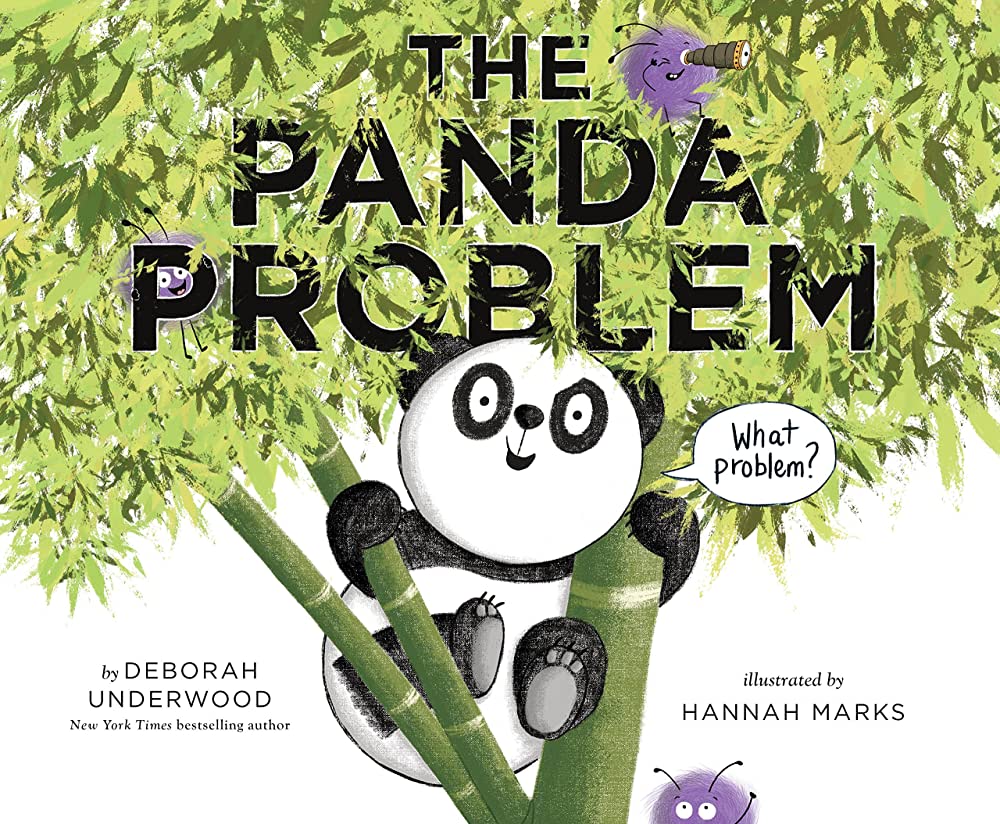
The Panda Problem (Dial Books) Written by Deborah Underwood Illustrated by Hannah Marks
For ages: 3-7 Oh, this is a great one, taking a chance to parody the strict way children are taught about fictional narratives. The narrator tells us the panda has a big problem, but the character on the page responds that they are okay. But the narrator insists that every main character in a story has to have a problem for there to be a story. The panda decides to become the problem and does several things to irritate and drive the narrator crazy. I’m always a sucker for good metafiction, and this one is perfect in that regard. It does an excellent job of showing the skill of voice in writing.
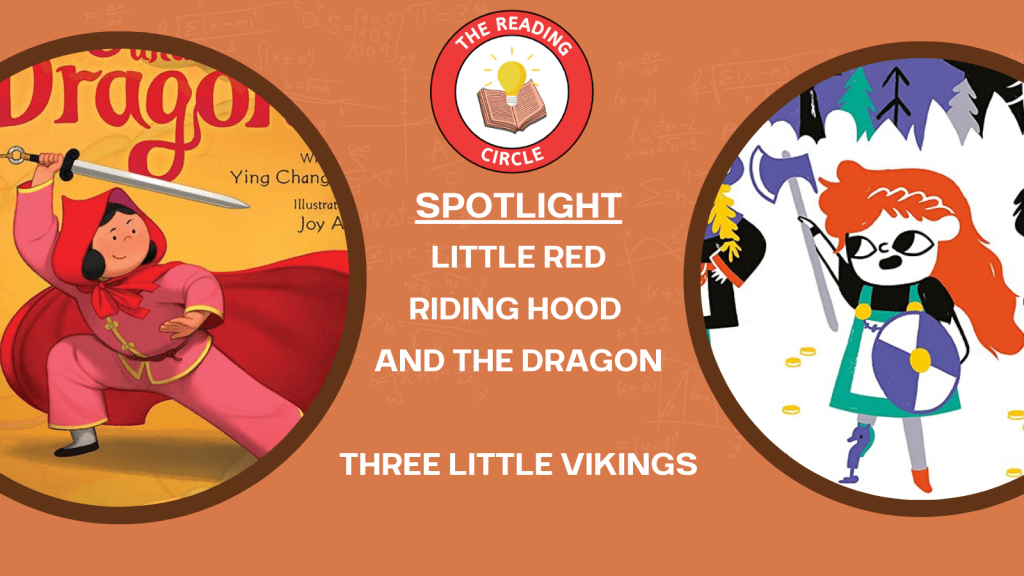
Little Red Riding Hood and the Dragon (Harry N. Abrams) Written by Ying Chang Compestine Illustrated by Joy Ang
For ages: 4-8 Discovering a great retelling of an old fairy tale classic is always enjoyable. This version is told to us by a big but not bad wolf who wants to set the story straight. Red Riding Hood came from China. She was bringing her Nǎinai herbal soup & a rice cake. Unfortunately, Nǎinai gets eaten up by a big bad dragon who takes her place in the sick bed, waiting to devour Little Red. The confrontation between the two is a real battle where Red has to find objects around the house to fight back the fearsome beast.
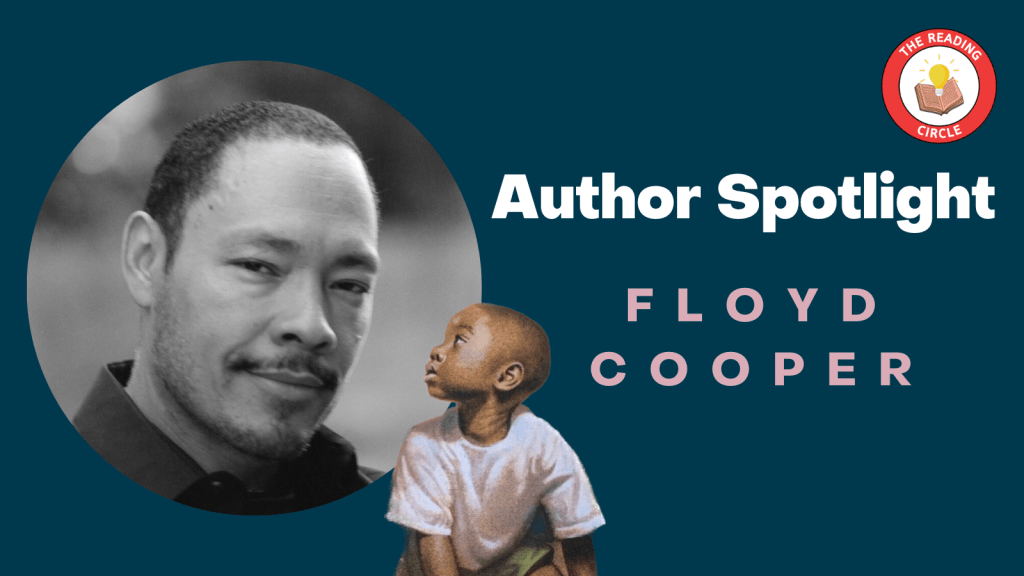
Damn cancer. On Friday, July 16, 2021, it took children’s author-illustrator Floyd Cooper from us. What remains is a body of work that will be carried on into the future. He wrote stories about Black children living ordinary lives but found immense beauty in their perspectives & observations. Cooper was born in Tulsa, Oklahoma, in 1965 and started making art at three. Using a piece of gypsum, he etched “little shapes onto the side of my Dad’s house.” His parents’ divorce turned his life into chaos, causing Cooper to attend 11 different elementary schools in Tulsa over his early years. He credits his teachers for keeping him focused, and he earned an art scholarship to the University of Oklahoma. Adult life began with work in the greeting card & advertising industries doing illustrations. In 1988, Cooper landed his first children’s picture book Grandpa’s Face. About his style, Cooper said, “I tend to focus on the humanity of my subjects, the details of expression that add a certain reality to the work. Real faces = real art. That’s the goal anyway.” Cooper’s grandfather survived the Tulsa Massacre of 1921 and, over his life, shared these experiences with his grandson. Cooper would go on to illustrate a book about the event titled Unspeakable, ensuring we do not forget the evils of racism. The influence of his grandfather can be seen throughout his work, often a character popping up to guide a child.
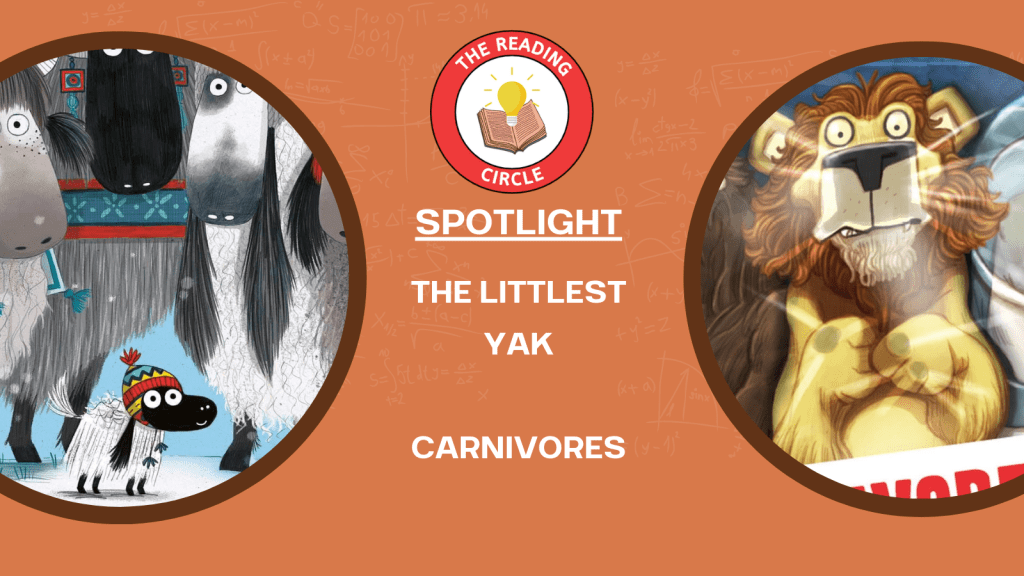
The Littlest Yak (Simon & Schuster Children’s) Written by Lu Fraser Illustrated by Kate Hindley
For ages: 4-8 No matter the period, it seems like children always feel a sense of inadequacy from being so much smaller than the world they are born into. Some kids are just itching to grow up because they feel left behind, unable to do all the things the big kids do. Gertie feels just the same, the smallest yak among a herd of very big ones. She sees the other yaks with their “hugest of hooves and humongous horns” and yearns for the same. Gertie’s mother tries to convince her to cherish these times of being a kid but Gertie just won’t have it.
You rarely see picture books that work for little children but become much more powerful the older you get. Shaun Tan writes and illustrates those very types of books that feel like modern classics. Tan finds ways to talk about profoundly difficult & complex ideas in a manner that a child will understand. Born in the port city of Fremantle, Western Australia, Tan was drawn to art & storytelling from an early age. Around age eleven, he developed a deep interest in the Twilight Zone and the books of Ray Bradbury, both of which are apparent as influences in his work today. A brief dalliance with the idea of being a chemist in high school eventually became Tan shifting from academics at university to focusing on his art. The result is an incredibly distinct art style that combines traditional linework with collage elements. Reading and viewing Tan’s work expands your consciousness about what a picture book can do & say. If you are unfamiliar with his work, please check it out and think about what children in your life would click with these unique & moving texts.
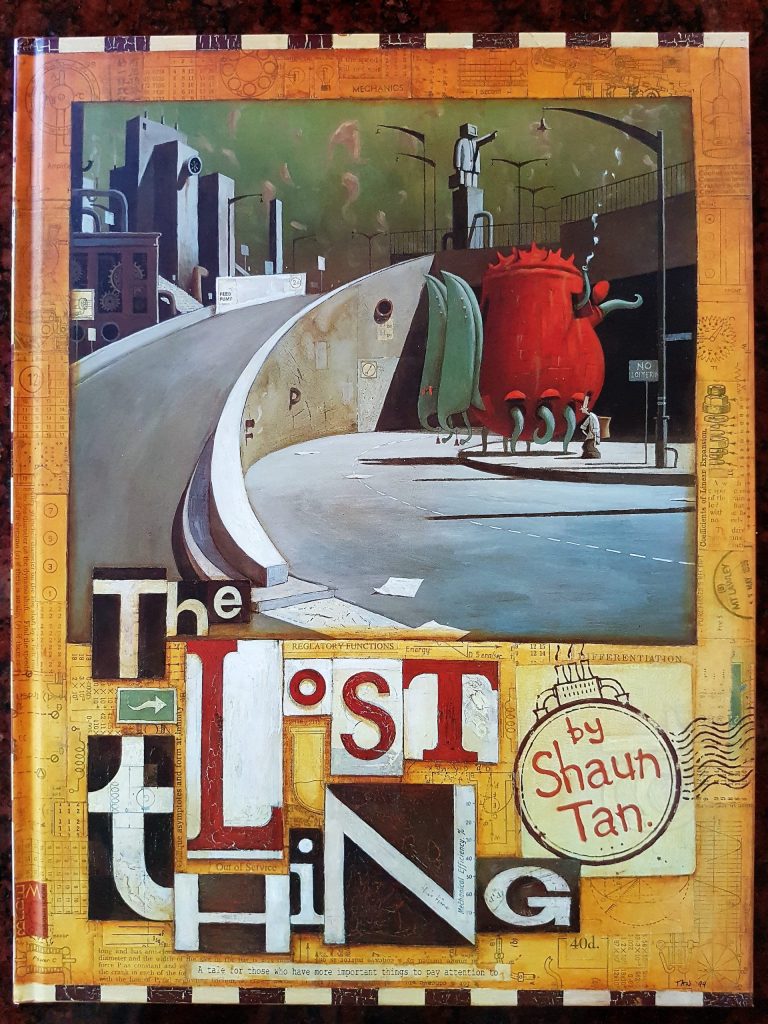
The Lost Thing (Lothian Children’s Books) Written & Illustrated by Shaun Tan
For ages: 4-8 Tan made his debut as an author with this picture book which delivers a fairly standard plot made into something extraordinary through his art. A little boy finds a lost creature on the beach and tries to find the owner. He asks his parents if he can keep it. That is met with a no. So, our protagonist assumes he will have to hand the creature over to the authorities and hope for the best. However, the best place for this creature is discovered in the end. The images stand out because this lost thing is a towering hermit crab-like animal. Instead of a shell, it has nested inside a massive red teapot-like structure. Tan presents the city setting of the story as drab & gray. The creature is often the most colorful thing on the page. These visual cues are part of the story’s theme, an observation that the most beautiful/strange people & things have a difficult time finding a place in this world. Still, there is always somewhere that will embrace them with open arms.
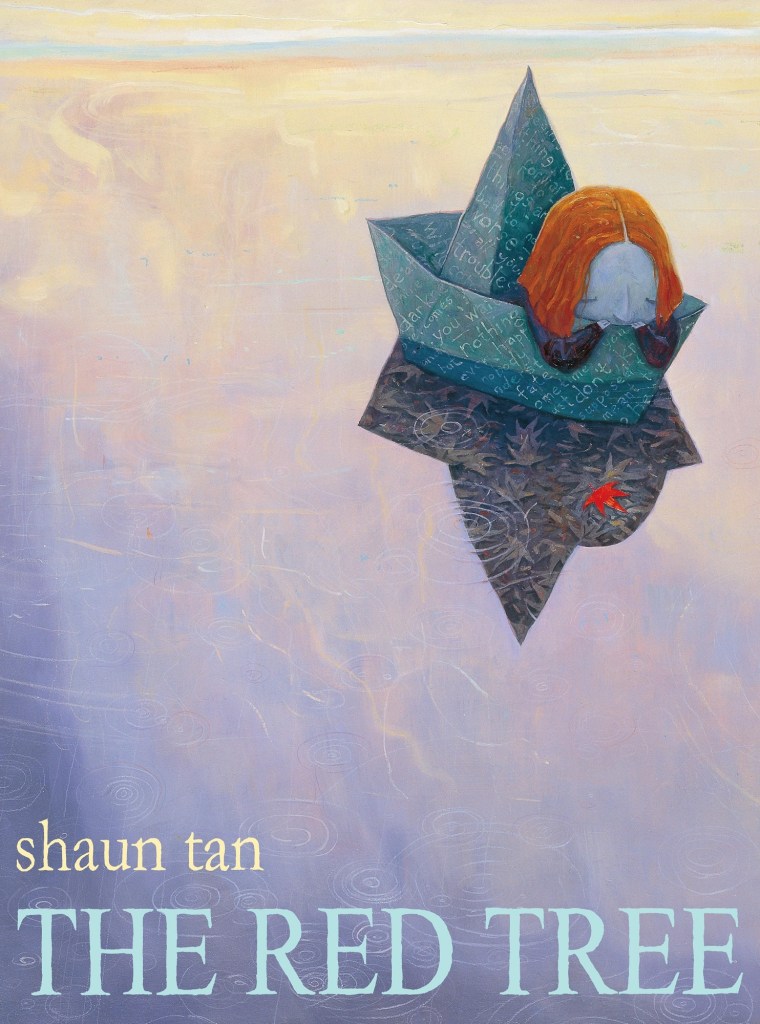
The Red Tree (Hodder Children’s Books) Written & Illustrated by Shaun Tan
For ages: 4-8 In recent years, more picture books have been published addressing the complexities of human emotions, especially how children feel them. The Red Tree is enigmatic and requires the reader to engage with the text and think about what is happening. A little girl wakes up one morning and immediately shares how little she looks forward to the day. The world is colored by her mood, which is drab & bleak. Strange things abound: a fish floats over her head and spiders rain from the sky inside her bedroom. She wanders around a confusing world that often isn’t what it appears to be at first glance. Finally, she comes home, still feeling down. But something is different in her bedroom now; a bright gorgeous red-leafed tree sprouts and changes her mood. This is the only time we see her smile. I adore that Tan refuses to be so evident as to spell out what is going on in this story. I can guarantee the students who need to hear this one will get it, though. Tan can show depression in a form that, sadly, too many children relate to, but they need to see & hear they aren’t alone. Other people sometimes feel the same things, so there is a community to find that can provide support.
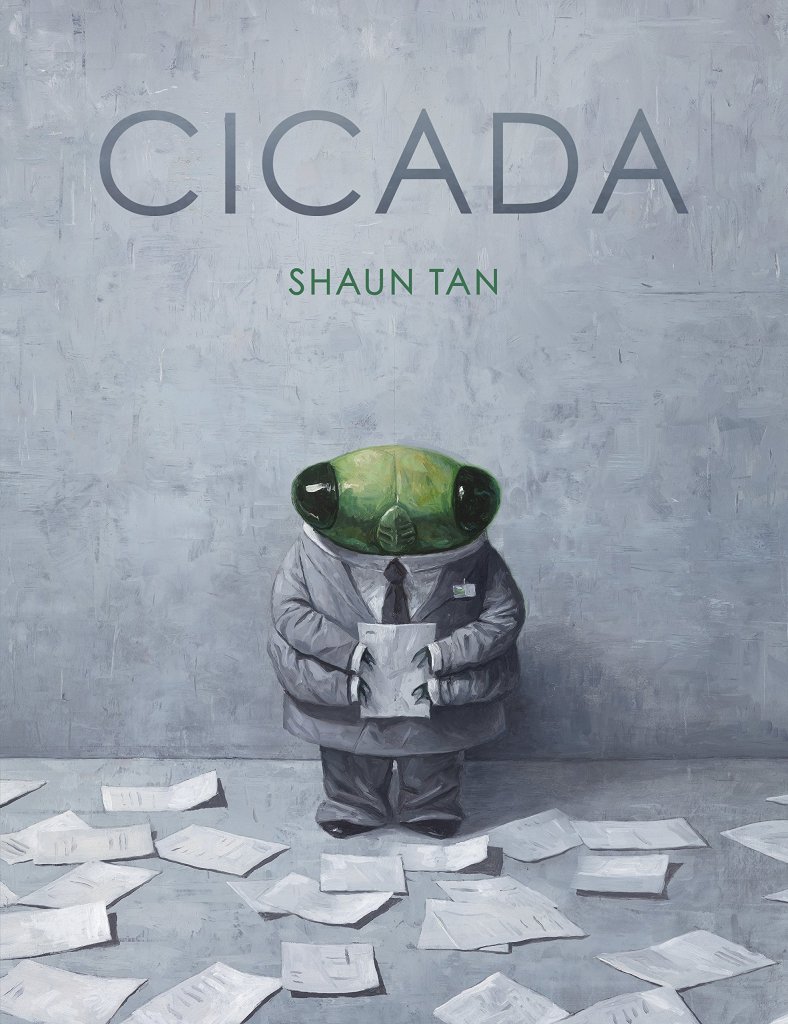
Cicada (Arthur A. Levine Books) Written & Illustrated by Shaun Tan
For ages: 9-12 Cicada is one of my favorite picture books of all time. That age range might come as a surprise. Still, this book will be most impactful with slightly older students as it works with some of the heaviest themes they are likely to encounter. Cicada is an office drone but also an insect. He wears a little suit and toils away in his cubicle for a company whose purpose we never quite understand. We see the world from his perspective, meaning people’s faces are obscured because they are tall. Cicada is a strong worker but is regularly bullied and marginalized in the workplace. His speech is exceptionally primitive, often missing direct/indirect objects and using incorrect subject-verb agreement. There is a rhythm to it that would make a read-aloud a pretty powerful thing. Despite feeling so sad for most of its length, Tan has a clever twist at the end that changes how we view Cicada’s perspective. What it does is mirror our own lives back on us: how we often marginalize people that are different & how adults accept such awful work/living conditions without protest. Cicada is a fantastic piece of literature & a vital meditation on examining our lives.
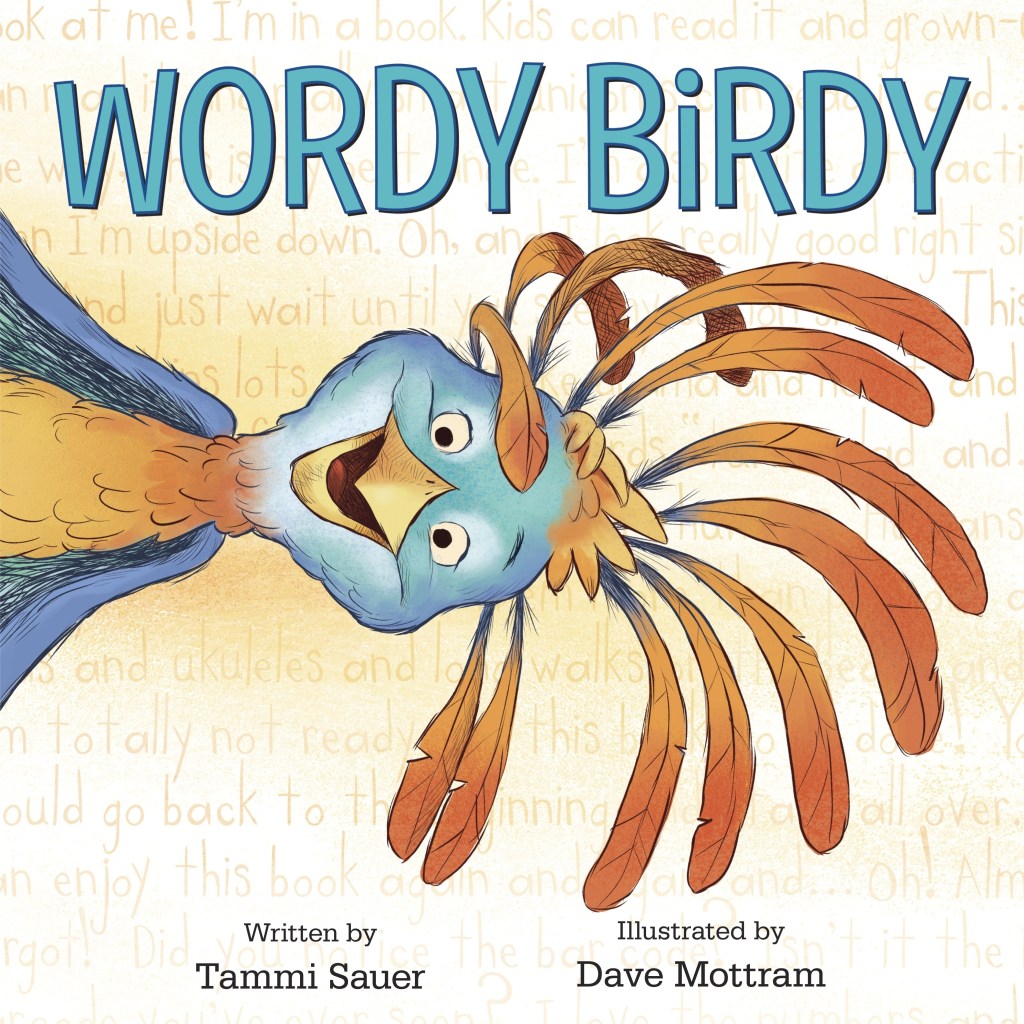
Wordy Birdy (Dragonfly Books) Written by Tammi Sauer Illustrated by Dave Mottram
For ages: 3-6 Some picture books feel like they work for children but are best appreciated by adults. Wordy Birdy may remind some childcare workers & educators of many of their students. First thing in the morning, she talks and continues until the book ends. Her friends’ reactions (Squirrel, Rabbit, Raccoon) will provide the most chuckles for adults with slight annoyance but accept that this is who Wordy Birdy is. It doesn’t help that the talkative bird likes to embellish her stories with unrealistic details. As much as she may get on their nerves sometimes, this trio is there to help when Birdy gets herself into some potential danger. A great book that acknowledges that silence is golden & friendship is essential.
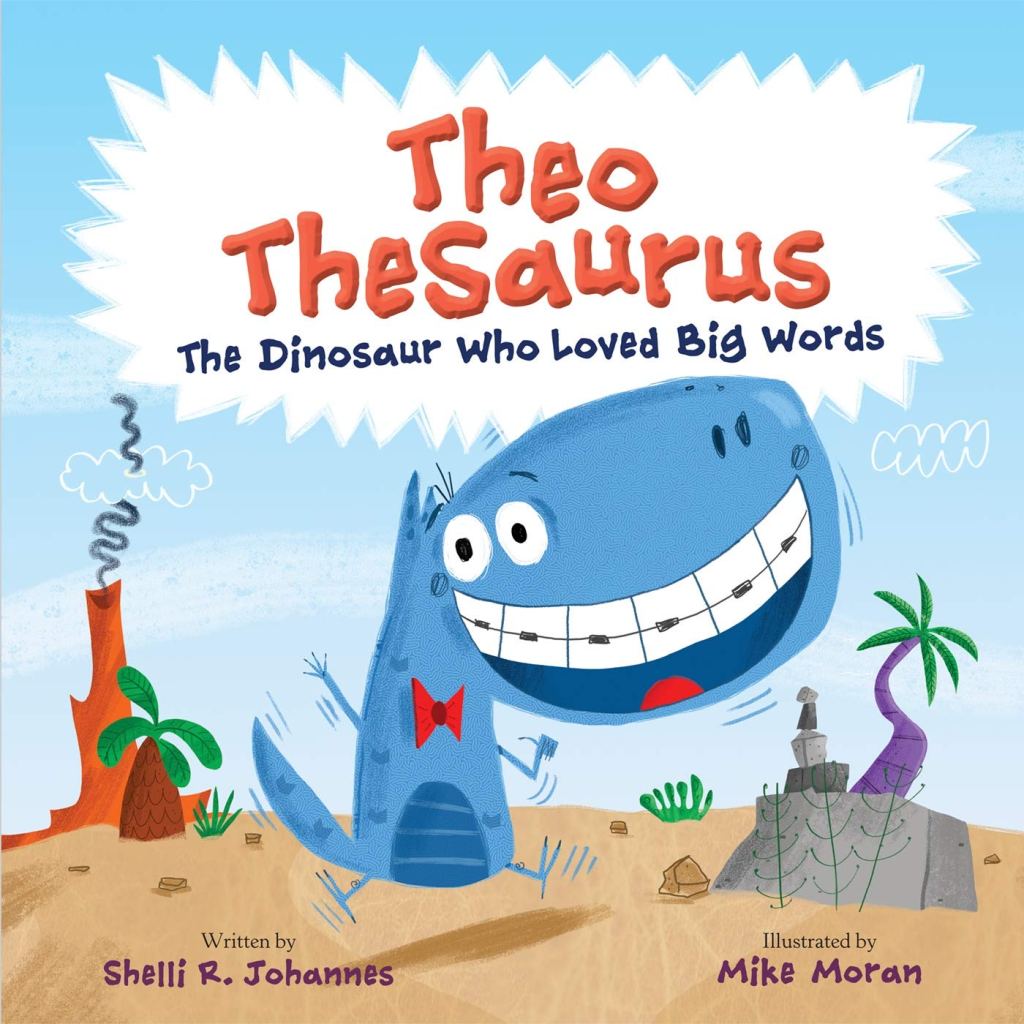
Theo TheSaurus: The Dinosaur Who Loved Big Words (Viking Books for Young Readers) Written by Shelli R. Johannes Illustrated by Mike Moran
For ages: 4-8 Theo is a TheSaurus, a dinosaur type known for their rich vocabulary. On his first day of school, he can’t help but refer to the snacks as “crudités,” lunch as a “midday repast,” and hide-and-seek as “a game of conceal and search.” Theo is aware that the words he uses are considered fancy and not ordinary, making him feel insecure. He worries that his classmates don’t like him, and it seems that Theo’s fear will be realized on his hatching day when none of his classmates show up for the party. Theo’s parents embrace him in a big, reminding their verbose child that he is an incredible little dinosaur. Then the doorbell rings, and his classmates are simply tardy. This book hits the social-emotional elements educators are always on the lookout for and will build vocabulary & spark your students’ desire to enrich their own.
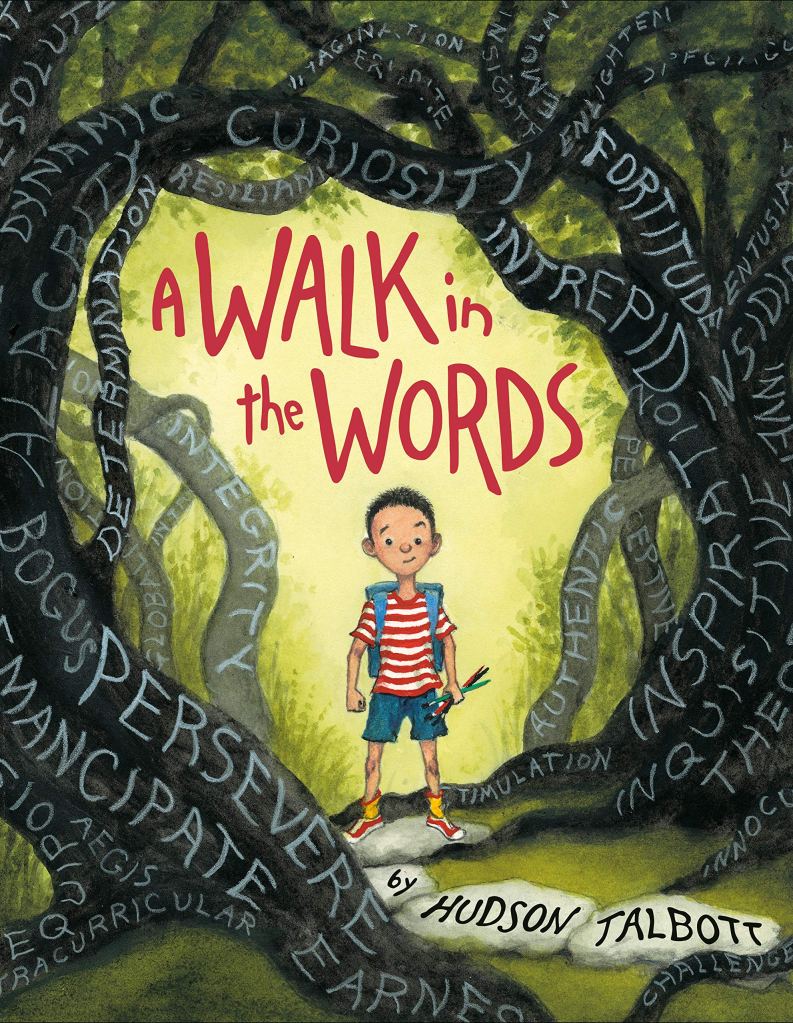
A Walk in the Words (Nancy Paulsen Books) Written & Illustrated by Hudson Talbot
For ages: 4-8 If you are an educator, you have seen students aware of their reading struggles. Unfortunately, many of these students internalize these challenges as personal faults and become either hostile to learning or develop deep feelings of inadequacy. Author Hudson Talbot turns his childhood struggle with reading into the story of a little boy navigating a scary forest where trees are adorned with complicated sentences and vocabulary. Talbot’s greatest strength is the way his illustrations work so beautifully as metaphors for his struggles and growth. The book was very similar to older morality stories like The Pilgrim’s Progress, where the metaphors are pretty obvious, but that’s needed for the intended audience. Talbot also includes a Slow Readers Hall of Fame in the end pages to remind struggling students some of our most brilliant minds faced the same difficulties as kids.
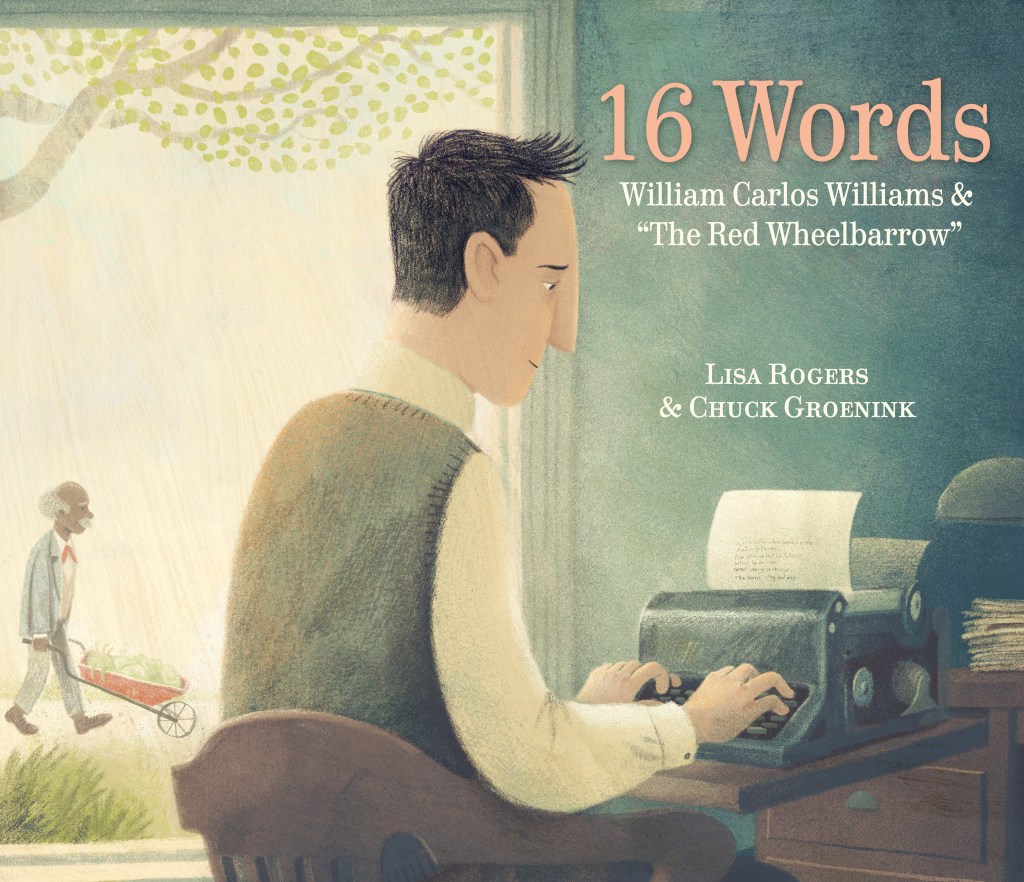
16 Words: William Carlos Williams and “The Red Wheelbarrow” (Schwartz & Wade) Written by Lisa Rogers Illustrated by Chuck Groenink
For ages: 4-8 Poetry is one art form that capitalism has been unable to sink its hooks into. As a result, it remains one of the purest forms of human expression. It is often overlooked for flashier, faster mediums. Lisa Rogers adores the writing of William Carlos Williams, and she can convey that to her readers through this history lesson/exploration of an incredibly famous poem. The poem comes as the finale, while Rogers details Williams’ life as a family doctor in the suburbs of northern New Jersey in the 1920s. Rogers also introduces Williams’ neighbor, Thaddeus Marshall, who grew a vegetable garden that Williams could spy from his window. The poet notices how Marshall’s vegetables help feed many people in their community, which starts a poem percolating in his mind. Our students are deprived of the magic of poetry, especially in elementary grades, where they need to experience how wordplay is a crucial piece of our creative development. If you are looking for a great introduction to a poetry unit, I don’t think you could do better than this picture book.
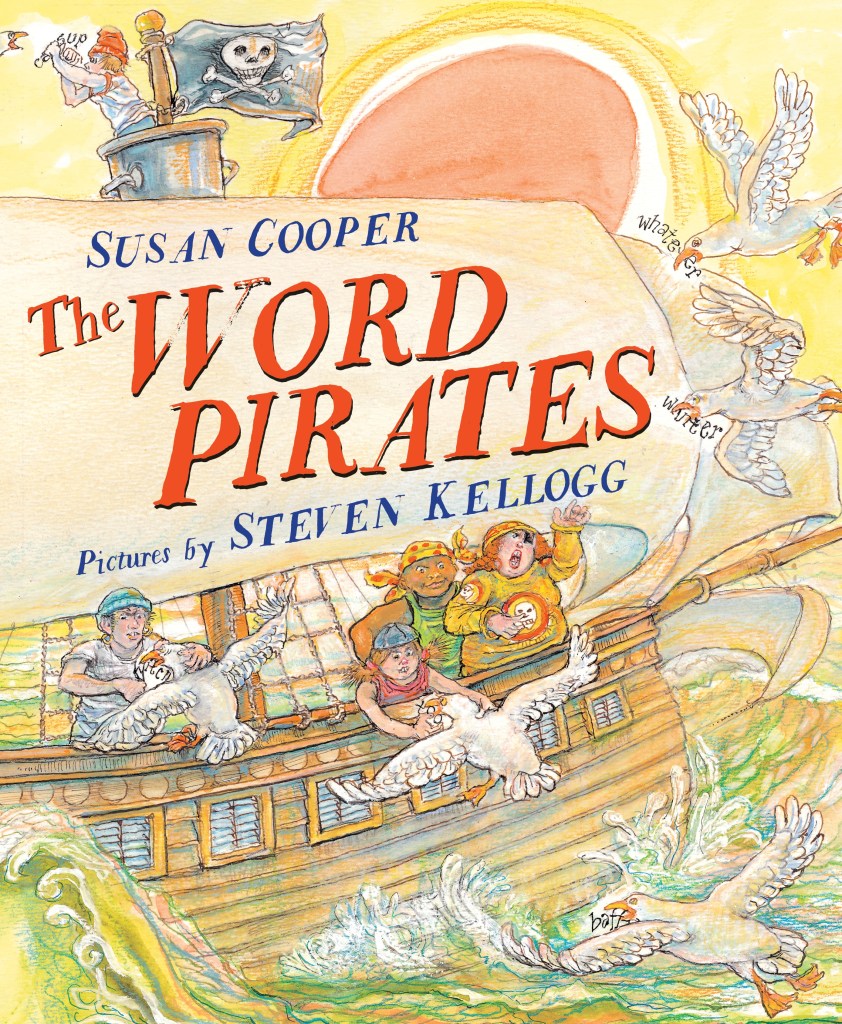
The Word Pirates (Neal Porter Books) Written by Susan Cooper Illustrated by Steven Kellogg
For ages: 4-8 The pirates that sail under the command of Captain Rottingbones hunger for one thing only, words. They have trained Bumblebirds that swoop down and steal from the best writers and books available to feast on. Some prefer aperitifs of words like “pop.” Other buccaneers desire to eat on big, filling words like “antidisestablishmentarianism.” Eventually, they do battle with a Word Wizard in New Zealand who doesn’t leave them adrift but teaches the scallywags how to make their own words rather than rely on stealing them. Steven Kellog is a tried & true legend in picture books. His illustrations feel familiar and perfectly suited for this silly story. Susan Cooper pens a tale that will undoubtedly entertain students. A great follow-up activity would be to have students design a filling meal with their favorite words to serve.
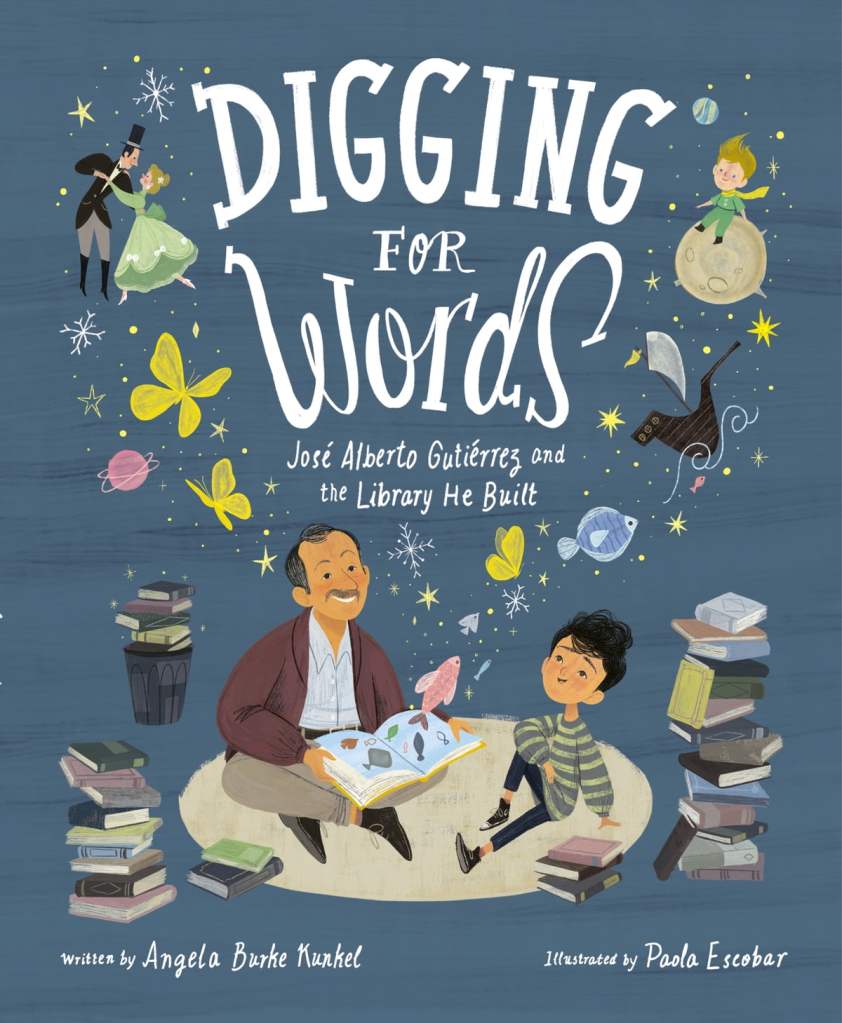
Digging For Words: José Alberto Gutiérrez and the Library He Built ( Schwartz & Wade) Written by Angela Burke Kunkel Illustrated by Paola Escobar
For ages: 4-8 You have likely never heard of José Alberto Gutiérrez, but neither had I. He was a garbage collector living and working in Bogota, Colombia, who started to notice people throwing books in the trash. Jose began collecting the books he found, which became the driving force in his daily life, building his collection. The first book that connects with him is Tolstoy’s Anna Karenina. Once his collection was large enough, Jose realized he wanted to share these beautiful texts with his community. So, in his working-class neighborhood, he builds a library named Paradise and gets to watch his neighbors get transported to the same worlds Jose experienced when he read the books. Paola Escobar’s illustrations do an extraordinary job of visualizing the experience of getting lost in a good book, feeling ensconced in a world different yet familiar to your own. I also love a book that highlights blue-collar/working-class people as also being intellectual, something I think is overlooked in extremely anti-intellectual cultures like the United States.
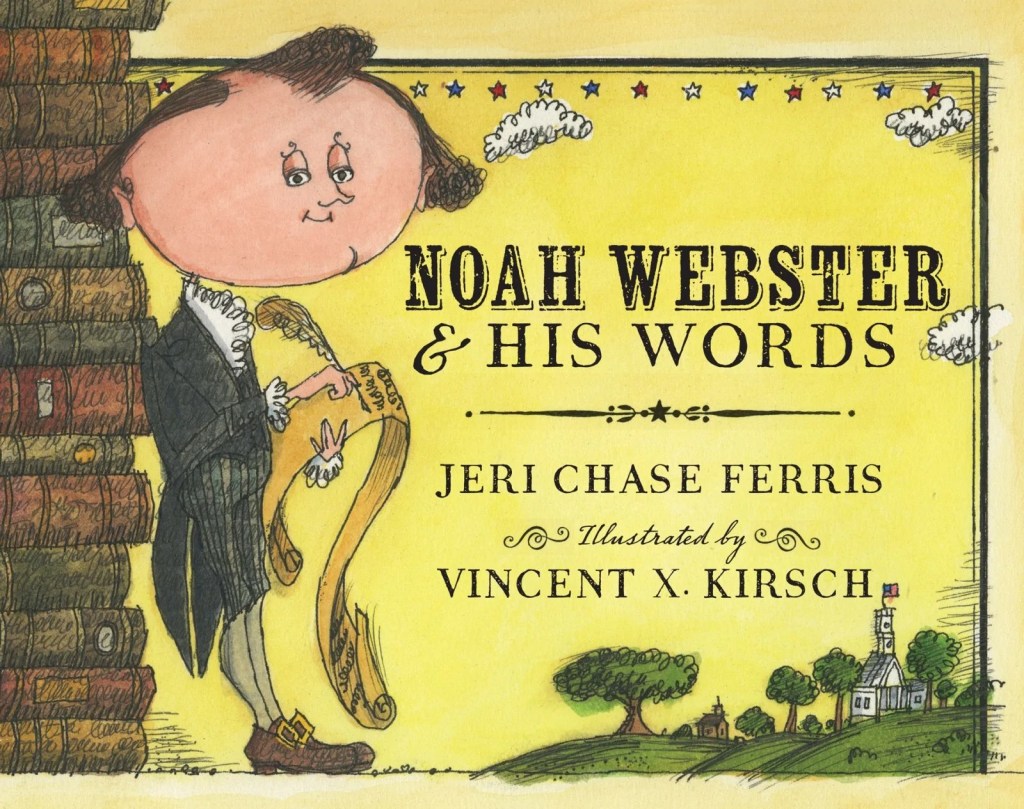
Noah Webster and His Words (Clarion Books) Written by Jerri Chase Ferris Illustrated by Vincent X. Kirsch
For ages: 6-9 Few people in history loved words as much as Noah Webster, so much that he developed the second most popular book to ever sell in the Western world, Webster’s Dictionary. From an early age, he was pretty clever, entering Yale at 15. Through this text, we learn he imagined a “second Declaration of Independence,” which would create a consistent spelling system for English in the United States. In the wake of the Revolutionary War, it was not uncommon to find some words with six or more spellings based on region or just the individual’s background. This could have easily been a dry, boring book. Still, it is Vincent Kirsch’s cartoonish illustrations & his creative choice of how to frame the words & pictures that elevate this into an entertaining read. Webster isn’t presented as a flawless saint; at one point, Kirsch inflates his head like a balloon on a page that talks about the scholar’s often pompous confidence. Because this is a book about dictionaries, many big words are used, and explanations on how to use & read these lexicons are provided. This is a fantastic example of how biographies for elementary students should be written.
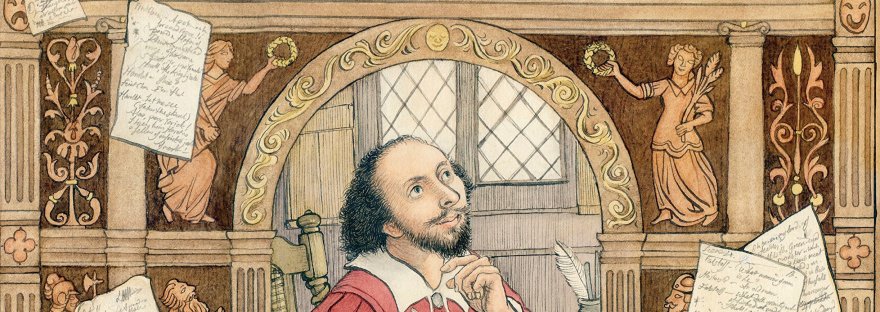
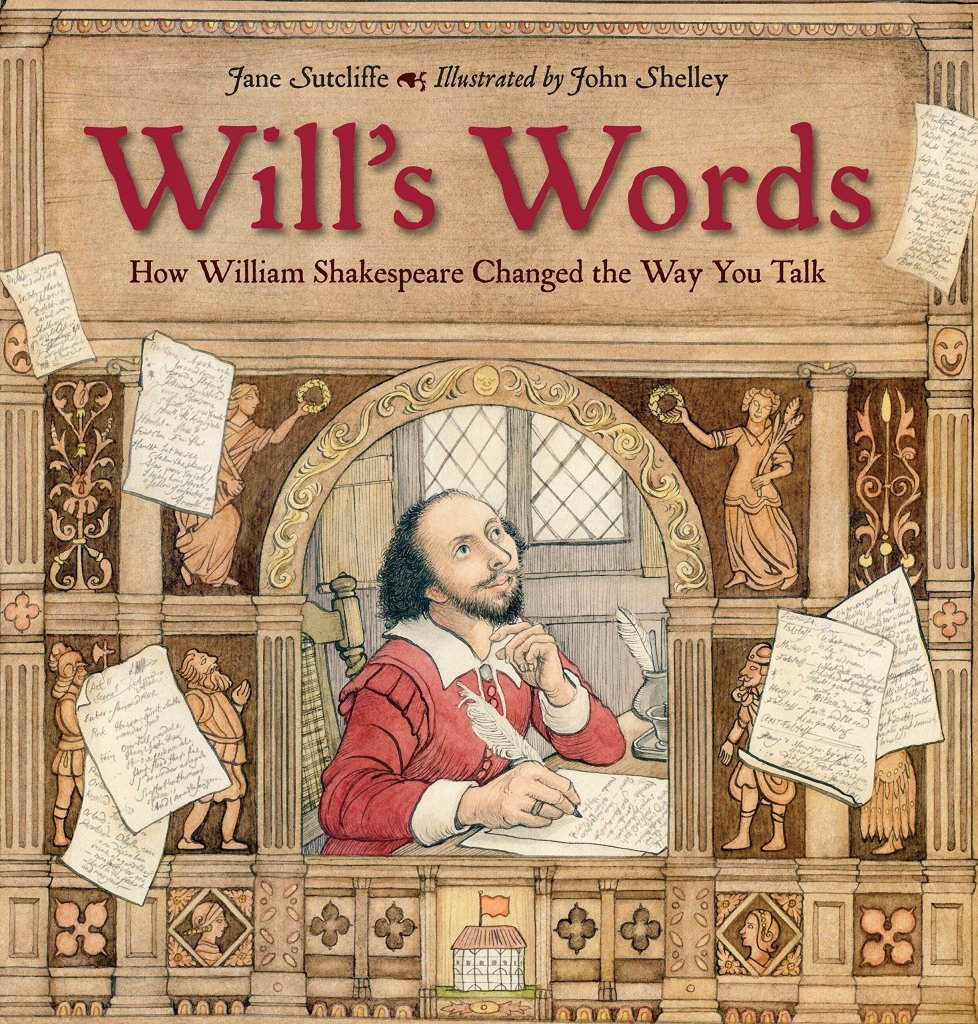
Will’s Words: How William Shakespeare Changed the Way You Talk (Charlesbridge) Written by Jane Sutcliffe Illustrated by John Shelley
For ages: 7-10 Children should be introduced to Shakespeare earlier in their education than in high school. Will’s Words is a book that can be that window into a world of art that shaped Western civilization. Author Jane Sutcliffe pulls a little meta-writing out and talks about how in writing a book about Shakespeare, you suddenly learn how many of our everyday words and phrases were invented/curated by him in his plays. “Too much of a good thing,” “household chores,” and “eyeball” are just some of the many examples of terms the playwright was the first to coin in his stories. Sutcliffe also includes the history of The Globe Theater and briefly touches on the many plays Shakespeare wrote and performed there. So if you are searching for an accessible text for upper elementary students to begin what will hopefully be a lifelong love of the Bard, Will’s Words might do the trick.




 The Reading Circle