animals, book list, humor, social-emotional

Book List: Elephants!

This list is dedicated to my lovely wife, Ariana, who loves elephants.

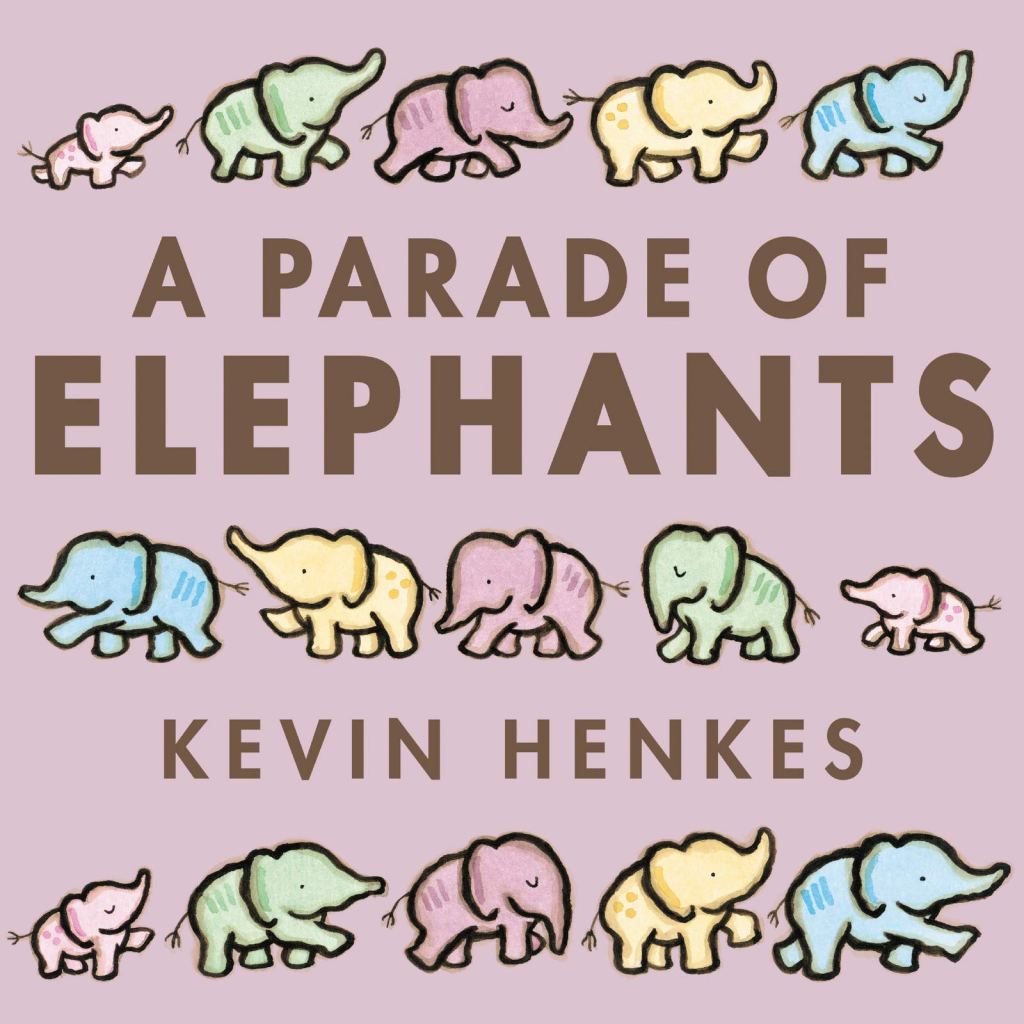
A Parade of Elephants (Greenwillow Books)
Written & Illustrated by Kevin Henkes
For ages: 2-5
This is a perfect read for your preschooler. It uses its elephants to practice counting to five, colors, and position. The elephants are counted out (“Look! / Elephants! // One, / two, / three, / four, / five.” ) with a simple chart that shows their line growing one at a time. The parade goes up and down hills, through a tunnel, under the canopy of trees in the jungle, and many other places. At the end is a magical surprise, as the elephants blow stars into the sky from their trunks before settling down to sleep for the night. The illustrations here are simple & easy for a very young child to understand. I can easily see this becoming a child’s favorite bedtime read and a great way to practice those starting skills.


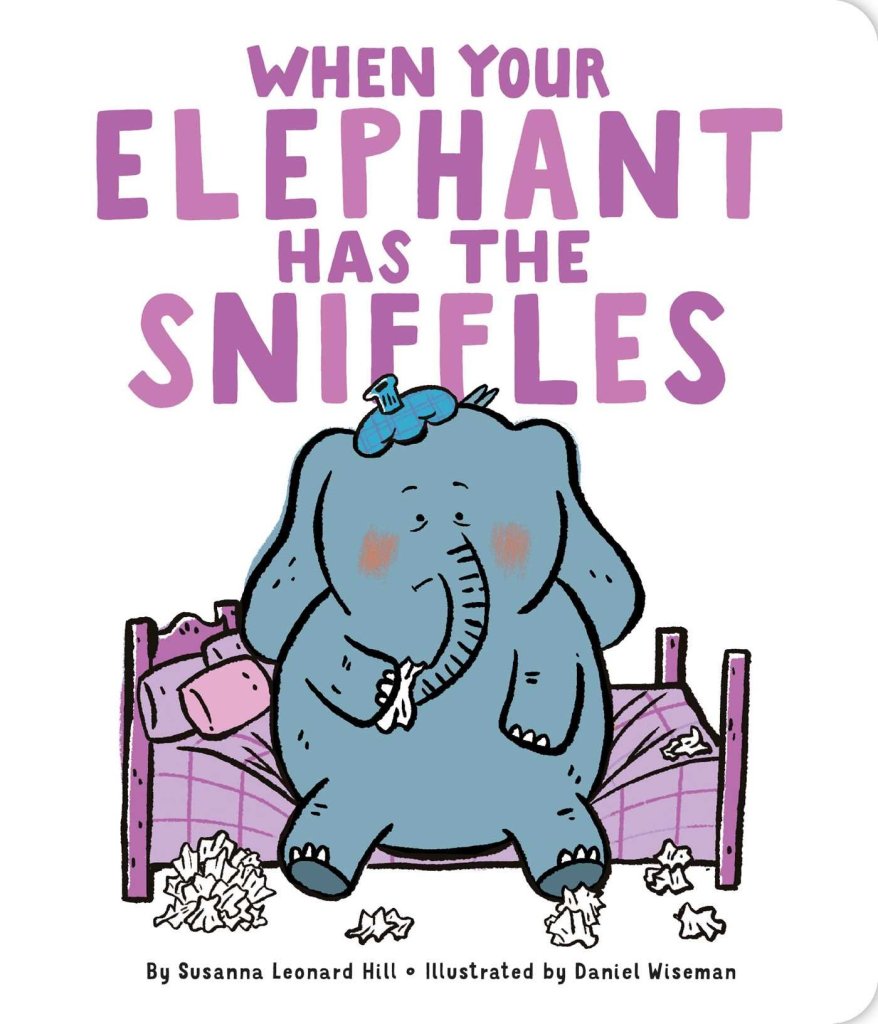
When Your Elephant Has the Sniffles (Little Simon)
Written by Susanna Leonard Hill
Illustrated by Daniel Wiseman
For ages: 2-5
A little girl must help her pet elephant with his sniffles. First, she puts the pachyderm to bed and cleans up all the dust in case he’s allergic. Next, she brings him a toy and then goes about her business. However, the elephant gets bored quickly, and it becomes her full-time job to ensure he’s resting. This is part of the When Your series, where children are put in the parents’ position working with an animal that won’t cooperate. The book intends to help children develop empathy and understanding of why their parents ask them to do certain things, especially related to health & hygiene. It’s a great mix of humor and compassion that I think all kids will enjoy reading.


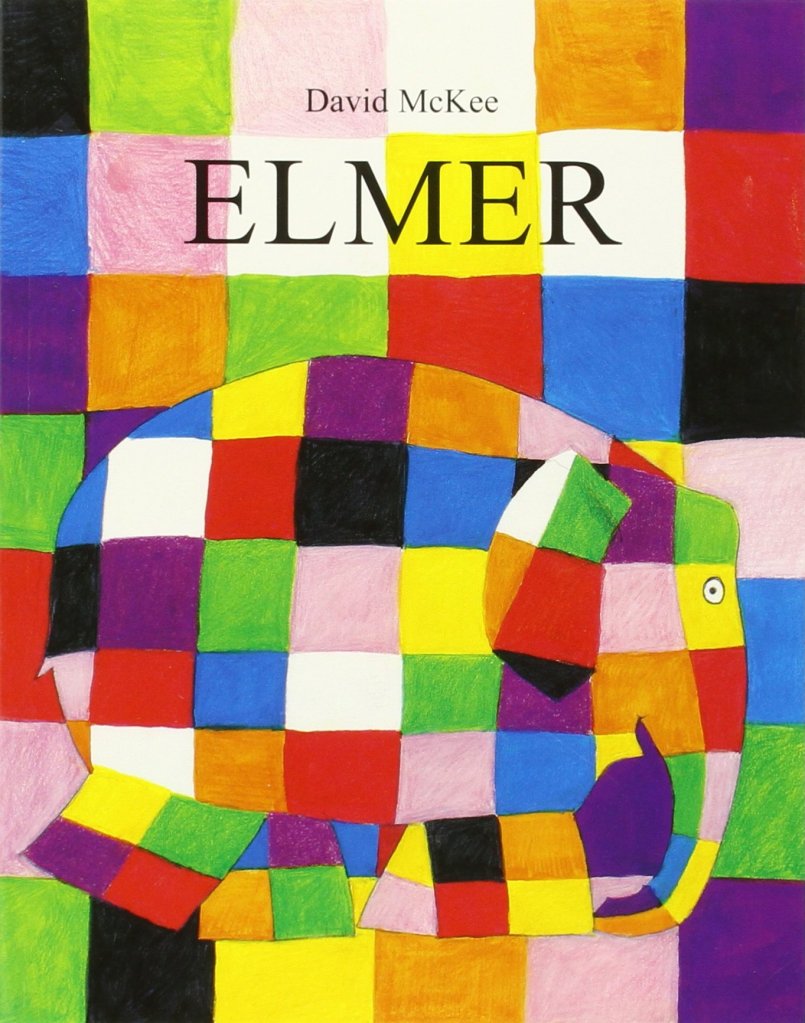
Elmer  (HarperCollins)
Written & Illustrated by David McKee
For ages: 4-8
Elmer is a patchwork elephant, his skin covered in square patches of all colors. This makes him stand out from the herd, and Elmer doesn’t like that. He’s never met a patchwork elephant before and wants to look like everyone else. A mysterious fruit ends up being the “cure” for Elmer, but it doesn’t go the way he expects. This is a great story about learning to love yourself and finding a community that will love you for who you are. I think it also helps students to see different perspectives. While we may think Elmer looks fantastic at a cursory glance, that is not what is happening inside his head. It will take reassurance from the people who love Elmer to help him accept himself. 


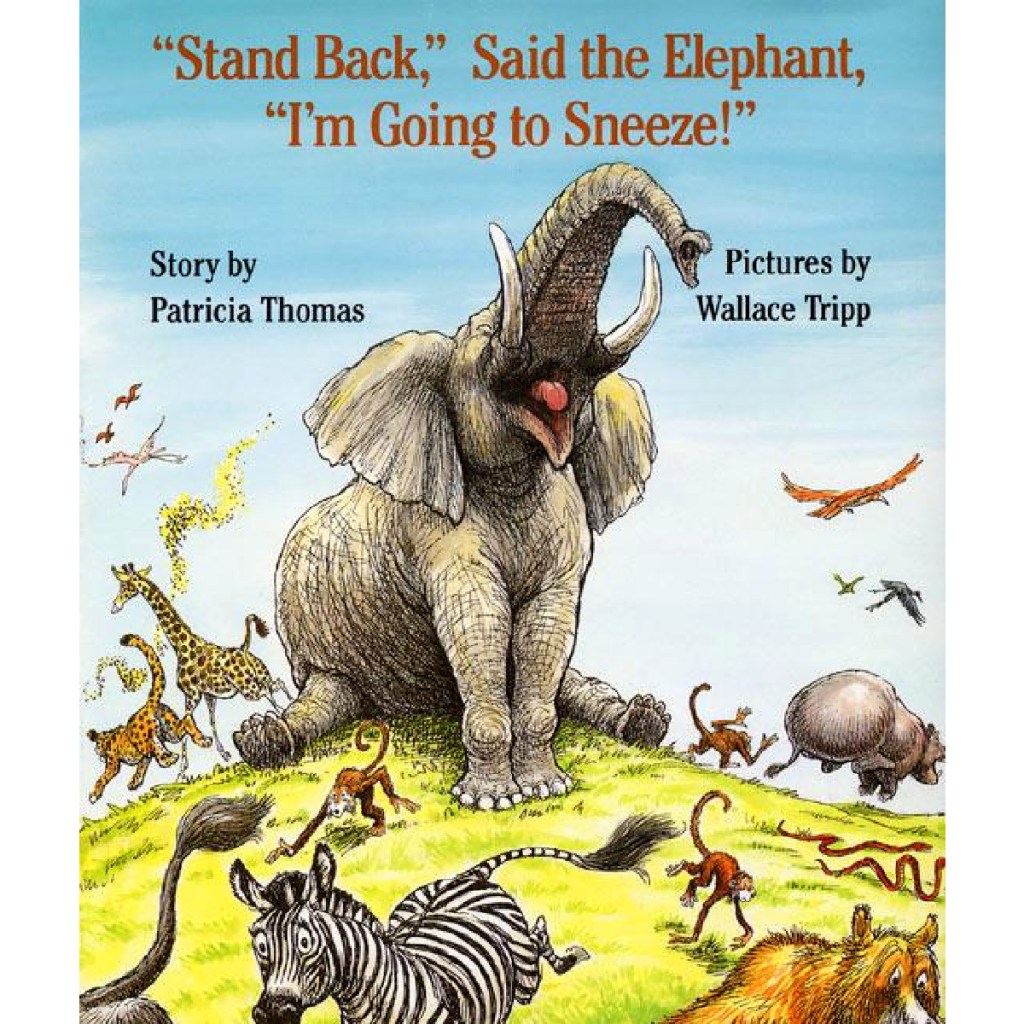
Stand Back Said the Elephant I’m Going to Sneeze (Lothrop, Lee & Shepard Books)
Written by Patricia Thomas
Illustrated by Wallace Tripp
For ages: 4-8
The Elephant makes a loud proclamation to the creatures of the savannah that he’s about to sneeze. They all begin bracing for impact, knowing that an elephant sneeze can do a lot of damage. The readers will hear from the animals about what they fear will happen. The cheetahs are worried their spots will be blown off, for example. The text is told in a simple rhyming format, making it a great piece to teach rhyme and poetry to your lower elementary students. This is one of those books that makes for an excellent read-aloud for those teachers that are natural performers. You won’t just want to read; you’ll want to stand up and shout, acting out the animals’ reactions and the surprise (a mouse) that comes to help the elephant.


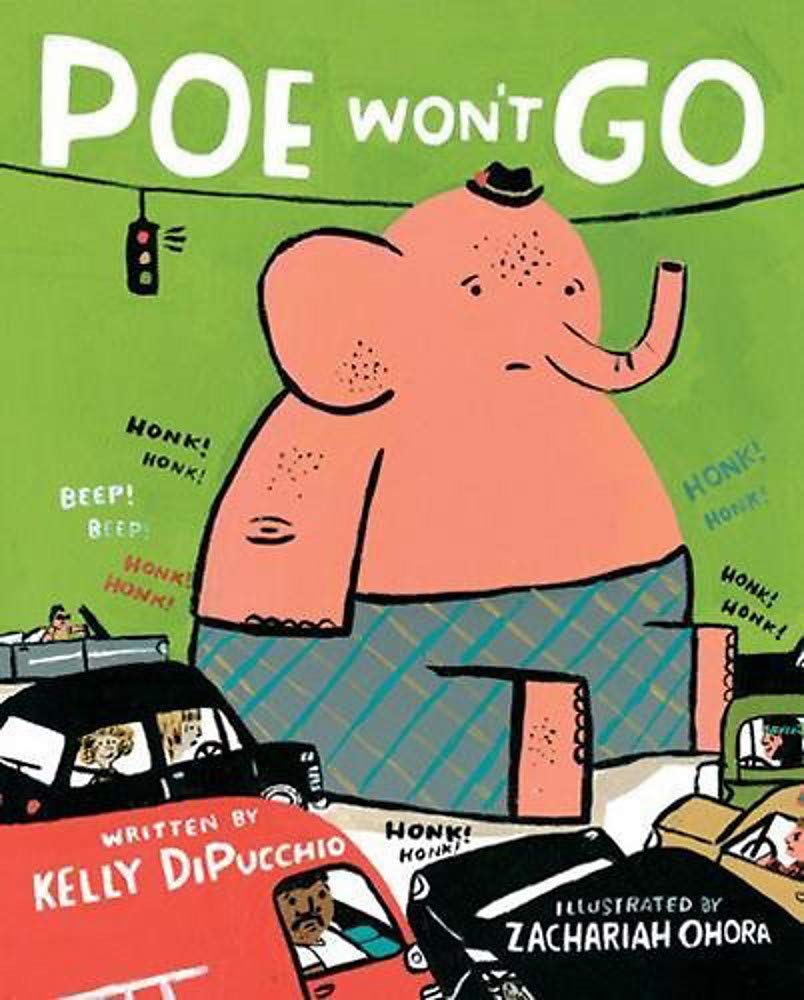
Poe Won’t Go (Little, Brown Books for Young Readers)
Written by Kelly DiPucchio
Illustrated by Zachariah OHora
For ages: 4-8
A pink elephant named Poe sits in the middle of town and won’t budge. The citizens of Prickly Valley are ticked off that the one road in their village is blocked. Cars begin forming a pile-up, honking and yelling at Poe to move. He gets cited by a police officer. A marching band tries to scare him away. The mayor forms committees to investigate the problem. However, one little girl comes upon the answer: Ask him why he won’t move. This is a ridiculous book, and the elephant’s answer is the silliest part. OHora’s acrylic and pencil illustrations are a delightful addition that adds to the cartoonish nature of the situation. I love picture books that serve as vehicles for silly jokes, letting most of the text be the set-up with the last page as the punchline. That is precisely what is going on here.


Zola’s Elephant (Clarion Books)
Written by Randall de Seve
Illustrated by Pamela Zagarenski

For ages: 4-8
Zola moves into a new house, and the narrator, the little girl living next door, is afraid to introduce herself. The narrator imagines Zola owning an elephant and having so much fun with her pet. Why would she want to be friends with the narrator? The book cuts to Zola’s perspective, and we find that she is pretty lonely, surrounded by unpacked boxes and wishing she had a friend. The narrator, on the other hand, keeps building greater & greater fantasies of Zola and her elephant’s adventures until reality brings her back to the ground. The story is very well paced with expressionist-style paintings from Pamela Zagarenski. The top-notch art here has many pages that would make beautiful framed art pieces.


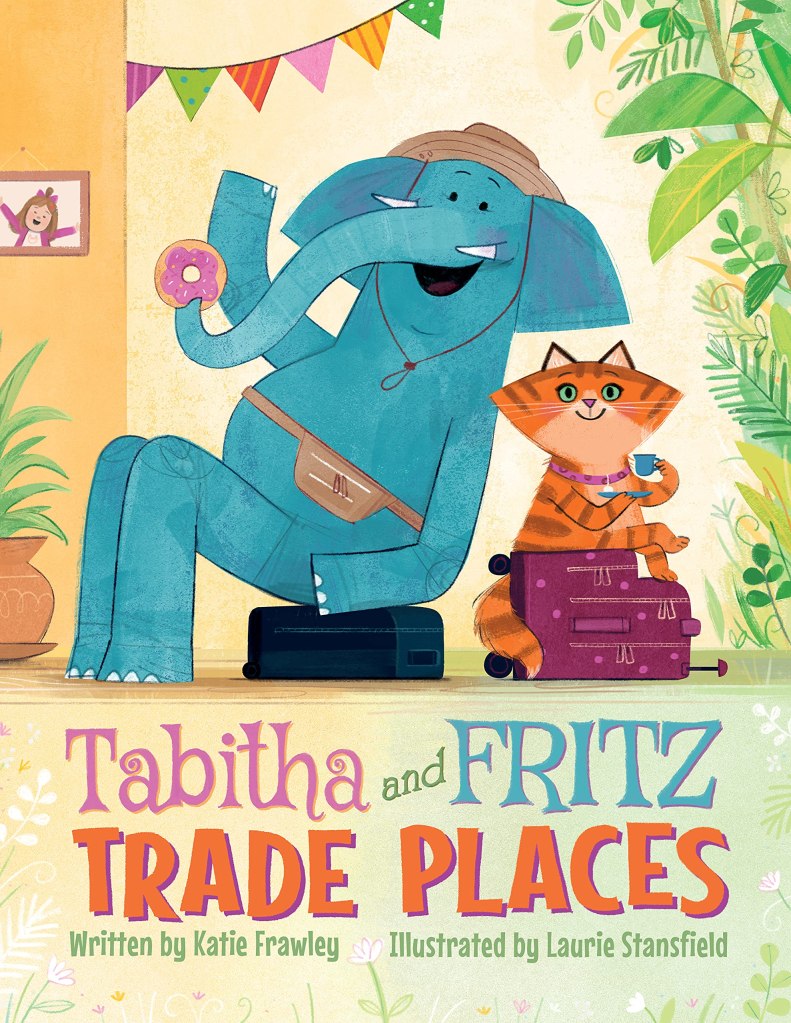
Tabitha and Fritz Trade Places (Two Lions)
Written by Katie Frawley
Illustrated by Laurie Stansfield
For ages: 4-8
Tabitha, a house cat, and Fritz, a jungle elephant, meet over the website LairBnB where they agree to trade houses for a while. They have come to find their respective homes boring, and they think the other animal lives somewhere exciting. Told through emails, Tabitha & Fritz ask questions about parts of the other’s habitat they don’t quite understand. I was reminded of Amelia Bedelia and her habitual misunderstanding of simple things that were just unfamiliar to her. Eventually, these two find their new home isn’t quite as exciting as anticipated, and they begin to yearn for their old place. I loved that this story is told in a non-traditional format, a great way to model different types of writing for our students. This would make an excellent starter for students writing back and forth in pairs as characters of their invention.
animals, humor, social-emotional, spotlight

Spotlight: Pigs Dancing Jigs/The Station Cat

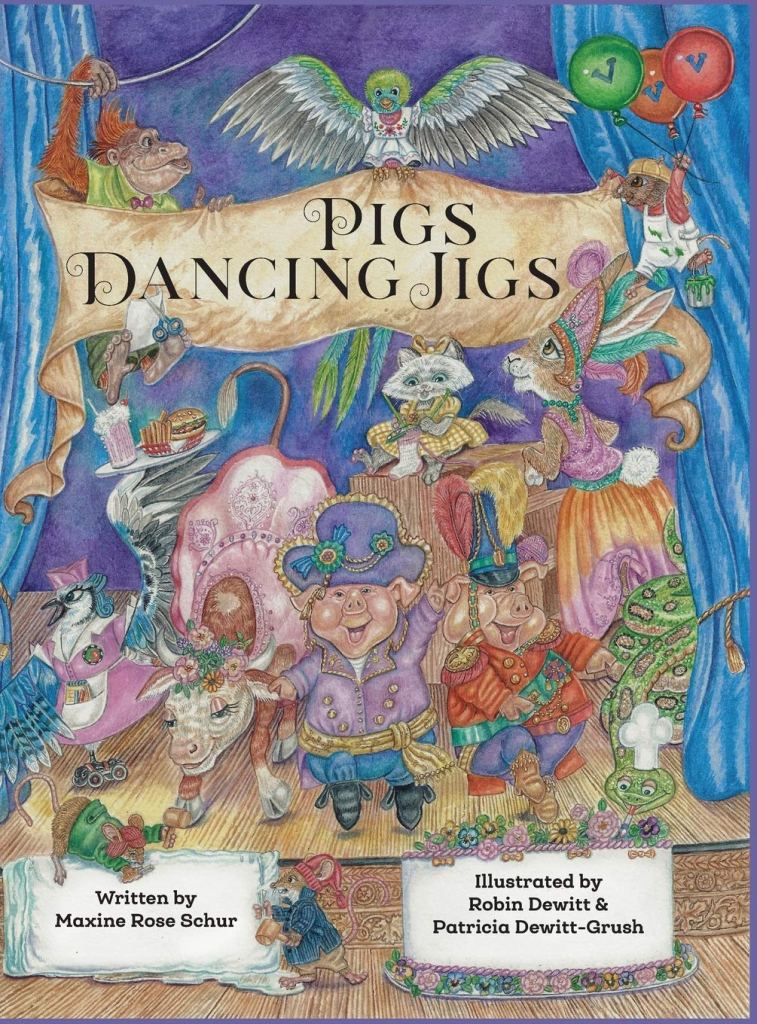
Pigs Dancing Jigs (Lawley Enterprises LLC)
Written by Maxine Rose Schur
Illustrated by Robin DeWitt & Patricia DeWitt-Grush

For ages: 3-7
Yet another alphabet book. Why do you need this one? Well, I think it stands out because of the illustrations. I was immediately taken back to the 1970s/80s/90s work of Steven Kellog (The Day Jimmy’s Boa Ate the Wash). This is the same style of detailed pencil work and watercolors. The accompanying rhymes are wonderfully silly, and the art completely matches them. I also think this will push readers further with some higher-level vocabulary thrown in. I remember that “sculpting” is used in one sentence, and the illustration provides plenty of context clues to help students determine the meaning. 

Continue reading “Spotlight: Pigs Dancing Jigs/The Station Cat”
history, lgbtq+, middle grade, social-emotional

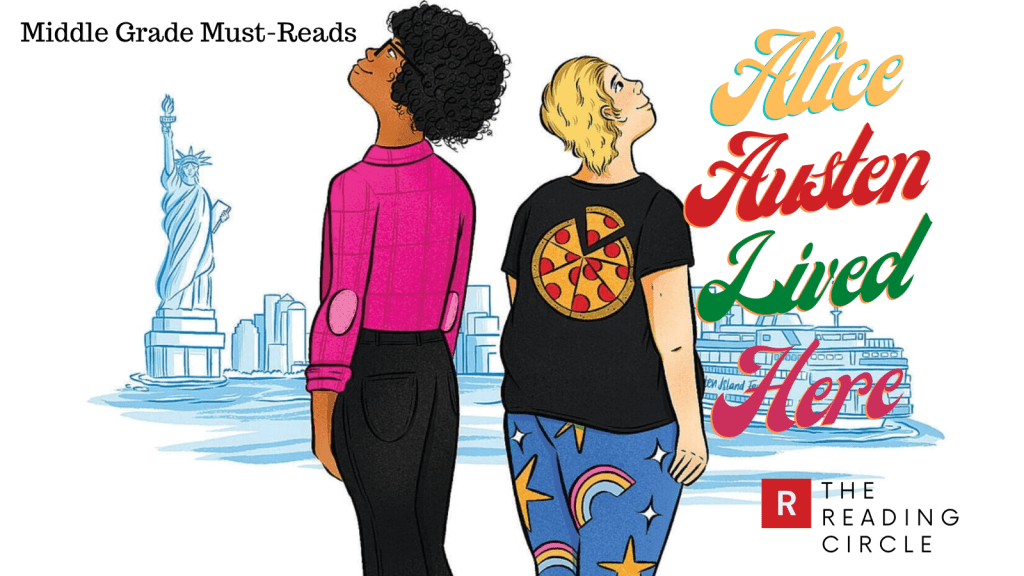
Middle Grade Must-Read: Alice Austen Lived Here

Alice Austen Lived Here (Scholastic Press)
Written by Alex Gino

There is an ugly event happening within portions of America at the moment, a rising tide of transphobia & gender ignorance prodded on by greedy media interested in driving up traffic and morally rotten politicians who think throwing hateful red meat to their voting base guarantees them electoral success. All of this spits in the face of reality which is that LGBTQ+ people have existed and lived in our societies since the earliest days humans walked the Earth. Transgender people are not a “new fad”; they have been ever-present; in the United States, reactionary forces have been very efficient at driving these people into even further marginalization. That does not extinguish the truth, though. There is hope that we can end this hate, not by listening to the transphobes but by holding up and supporting transgender youth.

Continue reading “Middle Grade Must-Read: Alice Austen Lived Here”
black lives, hispanic, social-emotional

Author Spotlight: Christian Robinson

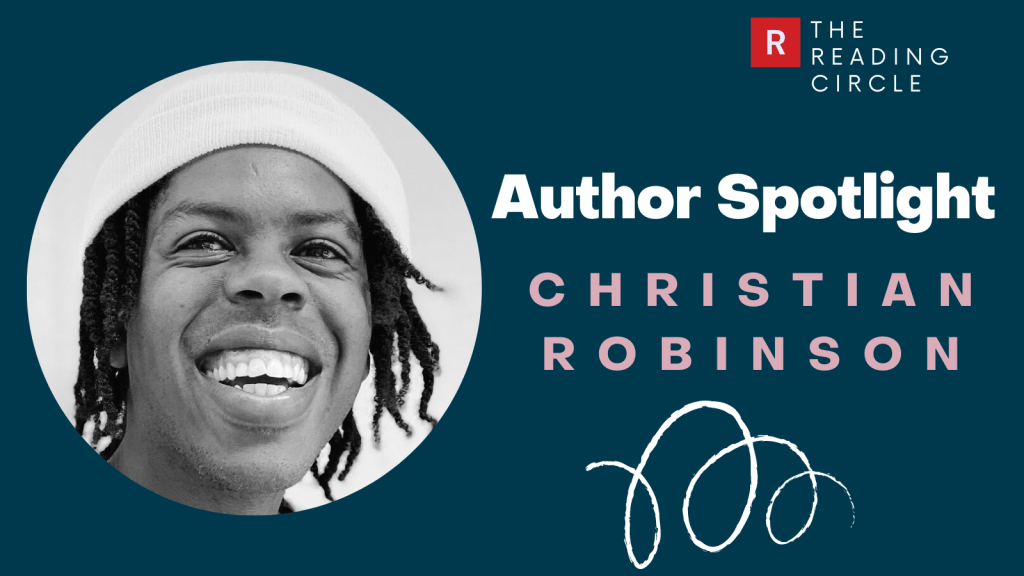
Christian Robinson grew up in situations very similar to the characters in the stories he illustrates. He grew up in Los Angeles, raised by his grandmother in a one-bedroom home shared by six people. Christian credits his high school art teacher, Elizabeth Kim, as his greatest influence in working full-time in the visual arts. She helped him build a portfolio and even drove him to college campuses for tours and interviews. At first, Christian wanted to pursue animation. Ben Butcher, an writer/illustrator, made adaptations of Disney films that helped mentor the young man in this new medium. Additionally, Christian’s boyfriend is a 4th-grade teacher and has helped the artist interview children in pieces used in the books’ trailers. One of the lessons I see from Christian’s life and his work is the importance of community & mentorship. Everyone needs a helping hand, and in turn, they should be that for someone else in the future.

Continue reading “Author Spotlight: Christian Robinson”
humor, social-emotional

Book List: Back to School

Amanda Panda Quits Kindergarten (Doubleday Books for Young Readers)
Written by Candice Ransom
Illustrated by Christine Grove

For ages: 3-7
Amanda is extremely excited to go to school, but she doesn’t have the social skills to be a good friend. She’s intimidated by the other kids and doesn’t know how to respond when they interact with her. It takes some time, but eventually, Amanda finds courage and a good friend in Bitsy. The artwork effectively communicates the mixed emotions Amanda feels, even when she is not being very nice. The character arc here is pretty unrealistically fast, so having a conversation with your students about fiction compressing time might be good. In our lives, we take a little longer to learn and grow our empathy, and that’s perfectly fine. 

Continue reading “Book List: Back to School”
humor, social-emotional, spotlight

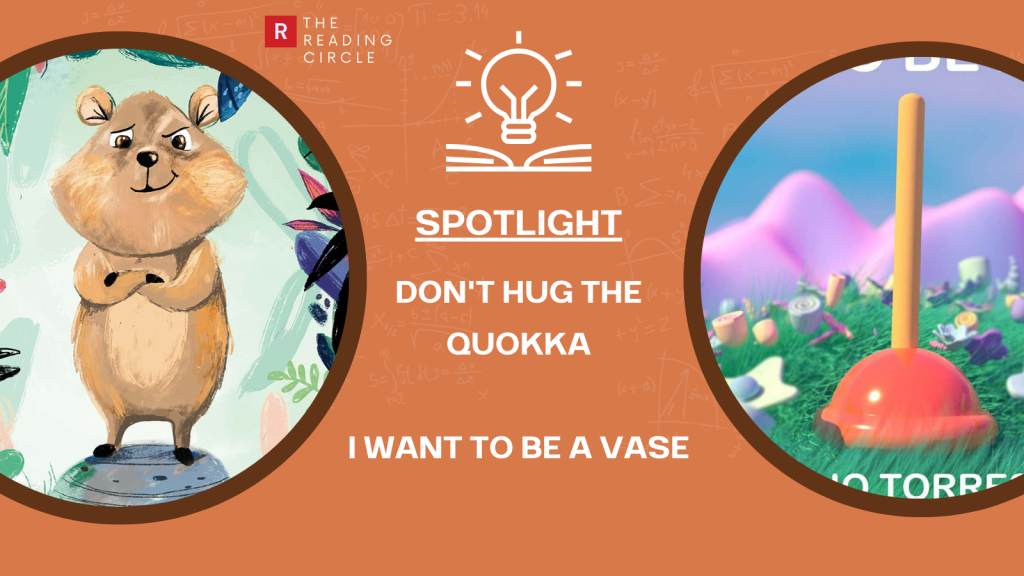
Spotlight: Don’t Hug the Quokka/I Want To Be A Vase

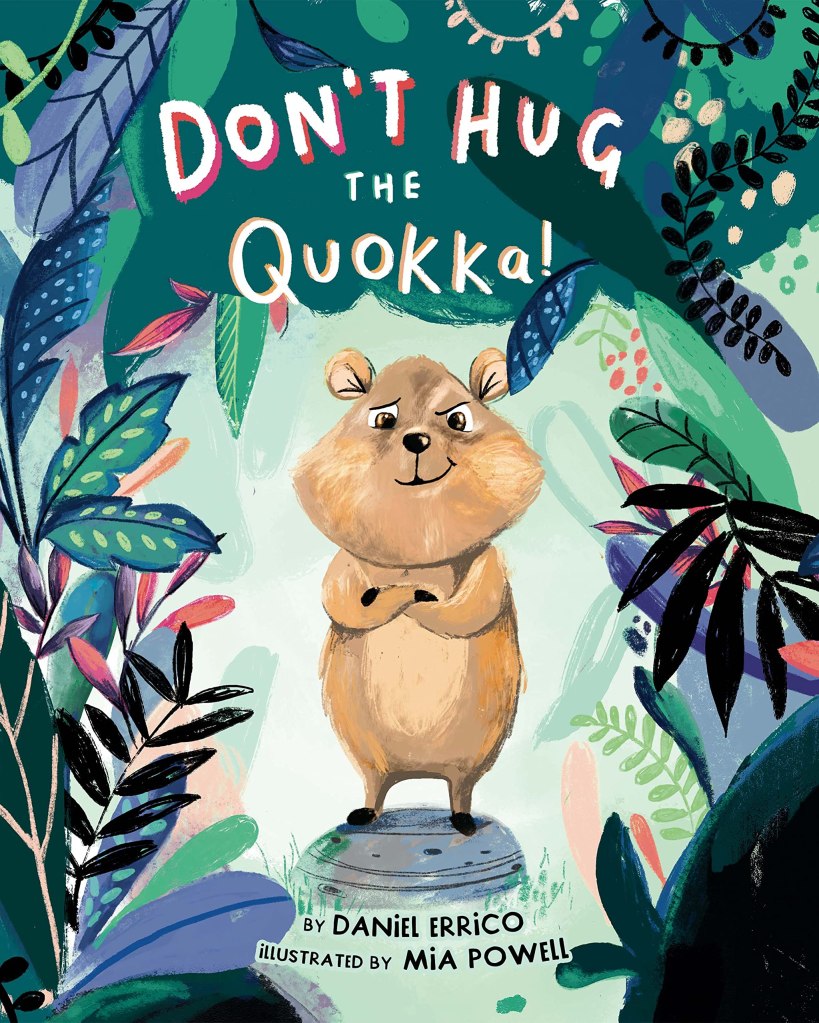
Don’t Hug the Quokka! (Magination Press)
Written by Daniel Errico
Illustrated by Mia Powell

For ages: 4-8
If you have never heard of the quokka, you are in for a treat. Quokka are a small marsupial found on some small islands off the coast of Western Australia. It would be best if you googled them because I guarantee their pictures will surprise you. They have such an open, happy face and have little fear of humans. They are cases of a quokka biting a person, but for the most part, they are curious when these outsiders visit them. They have no natural predators on their island, so they have never needed to develop fear-based instincts to survive. Quokka can carry salmonella, though, so touching them is not safe. 

Author Daniel Errico and illustrator Mia Powell take the incredibly enticing quokka and use it to illustrate the importance of consent in their book. The quokka is so cuddly and friendly that every fiber of your body wants to hug & cuddle it. But you can’t just do that. If the quokka says “No,” you must respect it. Throughout the book, the child proposes different scenarios to ask if it’s okay to hug the quokka now. With each one, the adult reminds the child that the animal said No, which means No. Only if the quokka says “Yes,” may you hug one. Much like in life, we shouldn’t violate people’s personal space & always ask permission to touch another person, respecting their No. 

Activities

1. Have students work in groups to make posters warning visitors that they should not hug the quokka without permission. The posters should emphasize the text’s central theme that consent is critical.

2. Having students research the quokka or other Australian native creatures is always a great idea. The diversity & uniqueness of animal life in that region always captivates children. 

3. Students can write a reflection about consent. What do they think about the message of the book? Why is asking for consent necessary? What should we do if someone is not respecting our choice?


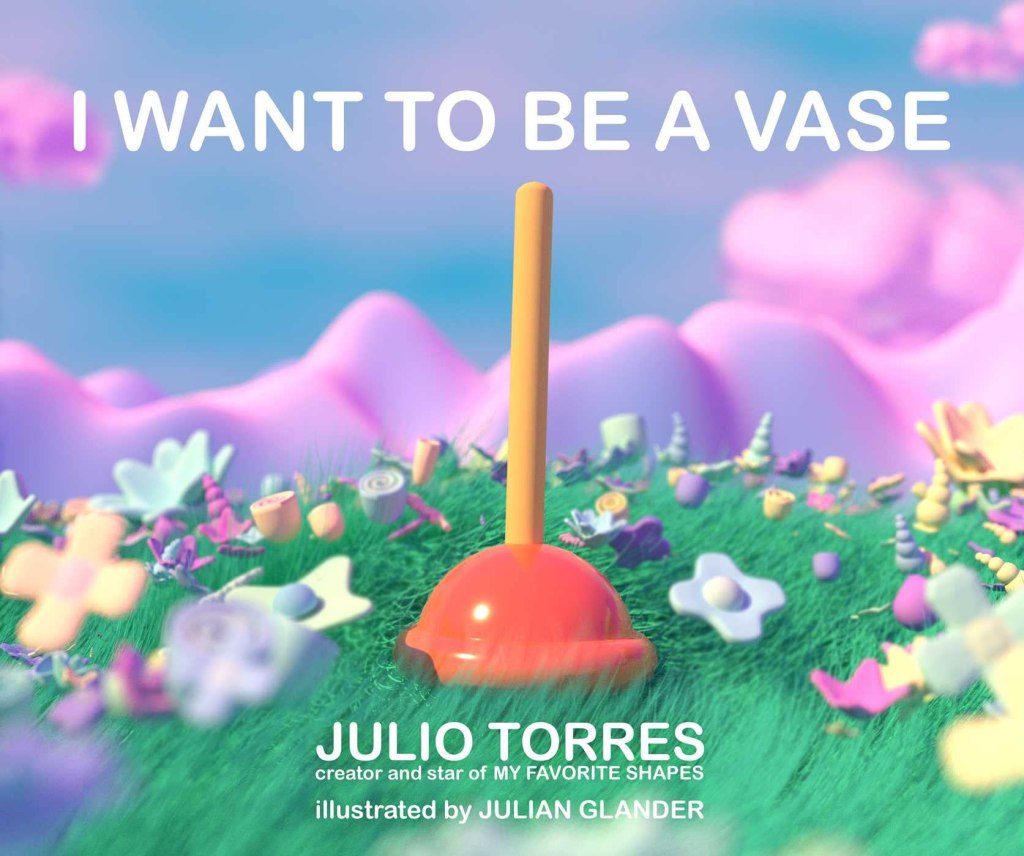
I Want To Be a Vase (Atheneum Books for Young Readers)
Written by Julio Torres
Illustrated by Julian Glander

For ages: 4-8
Shapes are all around us. Comedian & former SNL writer Julio Torres is obsessed with shapes, which you would know if you saw his HBO special. Torres brings his love of shapes & inanimate objects to this lovely children’s book, all about defining your own shape. Plunger knows he was not meant to sit by a toilet his whole life only used to unclog it. He’s meant to be something beautiful & admired. Instead, Plunger wants to be a vase. This starts chaos among the other objects in the bathroom and eventually the whole house. Some things want everyone to stay as they are, while Plunger has awakened others. They have always felt off, and now they want to be who they truly are.

It’s pretty easy to see this is a text about gender identity. Still, it’s also about pushing back against the negative thoughts people get tangled up in so easily. So often, people are labeled and shelved by society. They tell us that because of a few external physical features, they know who we are. But anyone who listens to themself and is truly honest knows we are so much more than that. Torres brings along illustrator & animator Julian Glander, who delivers digital images that feel like something torn out of the 1990s but also still so fresh & relevant. There will not be another book on your classroom shelf that looks anything like this one; I guarantee it.

Activities

1. Have your students pick an everyday household object they can imagine themselves being. In writing and/or illustration, have students explain what they would do if they got to spend their day as a teapot, for example. 

2. Taking this a step further, create a T-chart with students. On one side, give Plunger and the other objects’ reasons for wanting to be other things. On the other side, list the vacuum cleaner’s rebuttals from the text.

3. Taking the T-chart from the last activity, have students compose a single-paragraph opinion essay about whose point of view they agree with more. Make sure they defend why they think that character has the right perspective with details from the text.

animals, family, social-emotional

Book List: The Family Pets

Pet Show! (Puffin Books)
Written & Illustrated by Ezra Jack Keats

For ages: 2-5
Ezra Jack Keats was a transformative force in children’s literature, choosing to make his protagonist Black children as he saw they had limited representation in the medium. Most people know A Very Snowy Day, but Pet Show! is also a great book. Archie wants to enter a pet show but can’t find his cat anywhere. He comes to the pet show with a seemingly empty jar and says it contains a germ, which is an animal. An older woman shows up with a cat she found in her neighborhood, which just happens to be Archie’s. This is a fantastic story about thinking outside the box and learning how to talk to people before you make assumptions. 

Continue reading “Book List: The Family Pets”
book list, social-emotional

Book List: Respecting Our Emotions

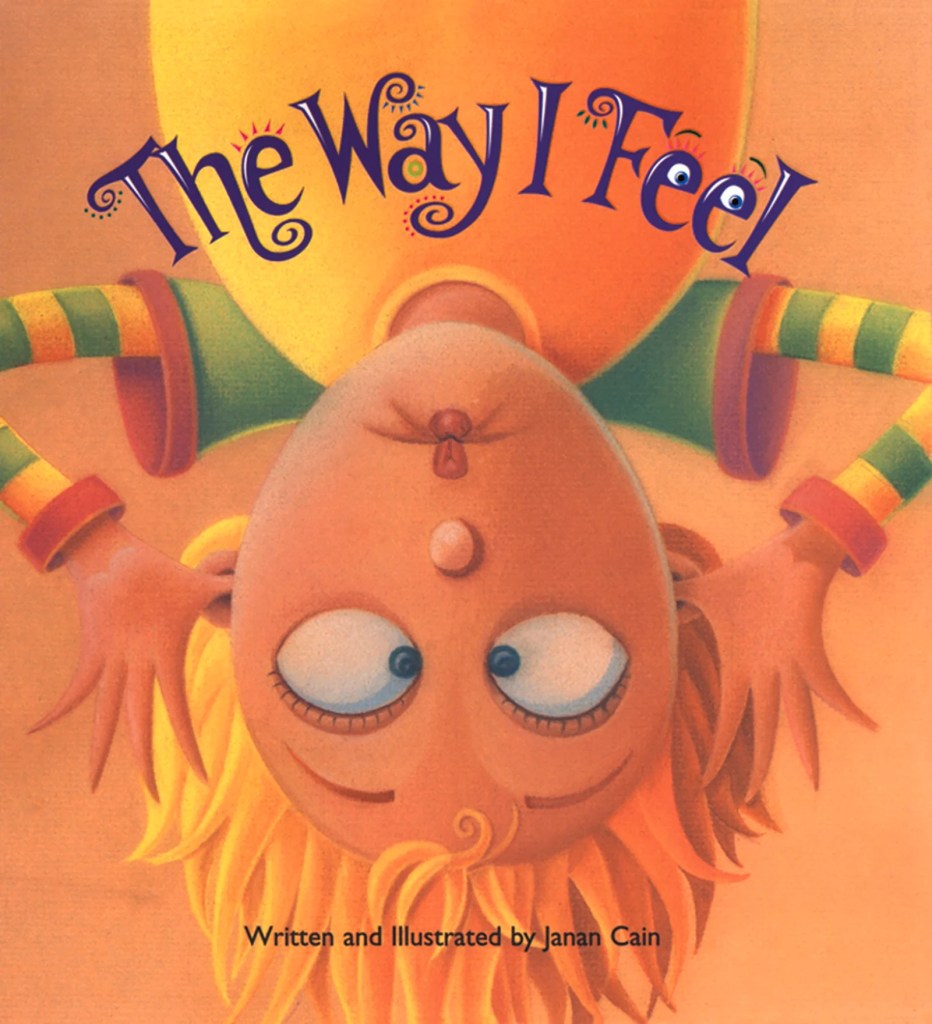
The Way I Feel (Parenting Press)
Written & Illustrated by Janaan Cain

For ages: 2-4
The Way I Feel is an excellent book for its age group. You’ll see other books on this list that go deeper and build vocabulary, but this is a great place to start. Janaan Cain delivers some exceptional pastel illustrations that are full of expression to model each of the emotions showcased in the text. Each feeling is part of a rhyming couplet. The emotions are given a two-page spread, each space having a color palette matching said emotion. There’s not much of a wow factor here, but it’s a direct, concise summary of the basic human emotions. 


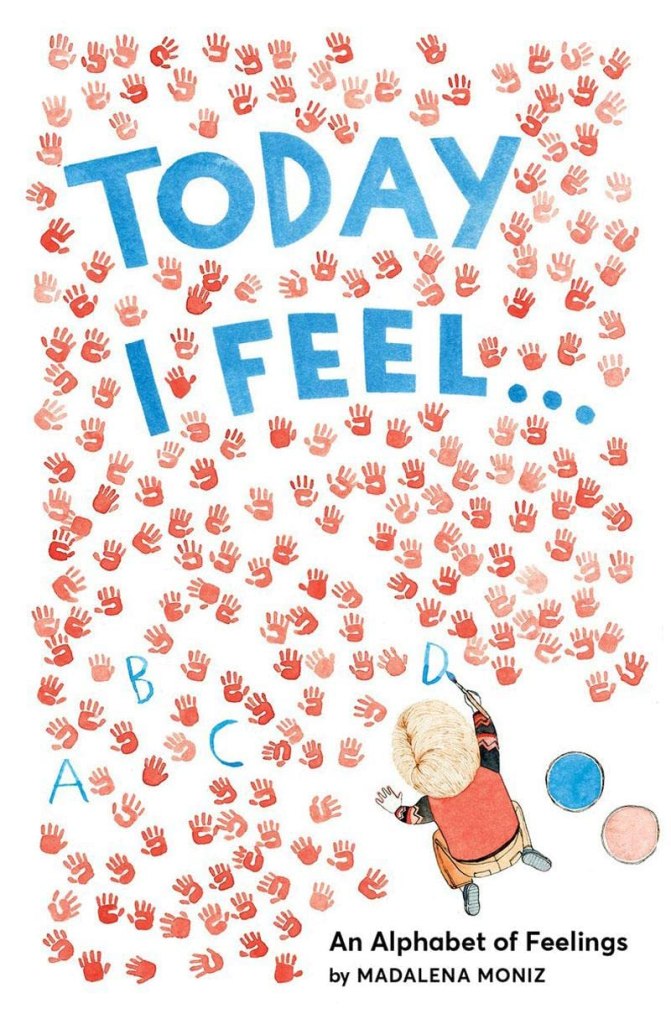
Today I Feel…: An Alphabet of Feelings (Abrams Appleseed)
Written & Illustrated by Madalena Moniz

For ages: 3-5
Similar to our previous book, Today I Feel’s approach uses the 26 characters of the alphabet to present emotions. The illustrations are closely linked to the feelings and the letter represented. For example, with J is for Jealous, a boy stares out his window looking at a kite he’s not flying. The ribbons on the string are a messy tangle of letter Js, implying that this is a complicated emotion that can get you tied up in knots. You would assume rightly that some of the letters are difficult to match with an emotion. X is XOXO’ed is undoubtedly pushing the boundaries. Much like The Way I Feel, this is a very competent start.


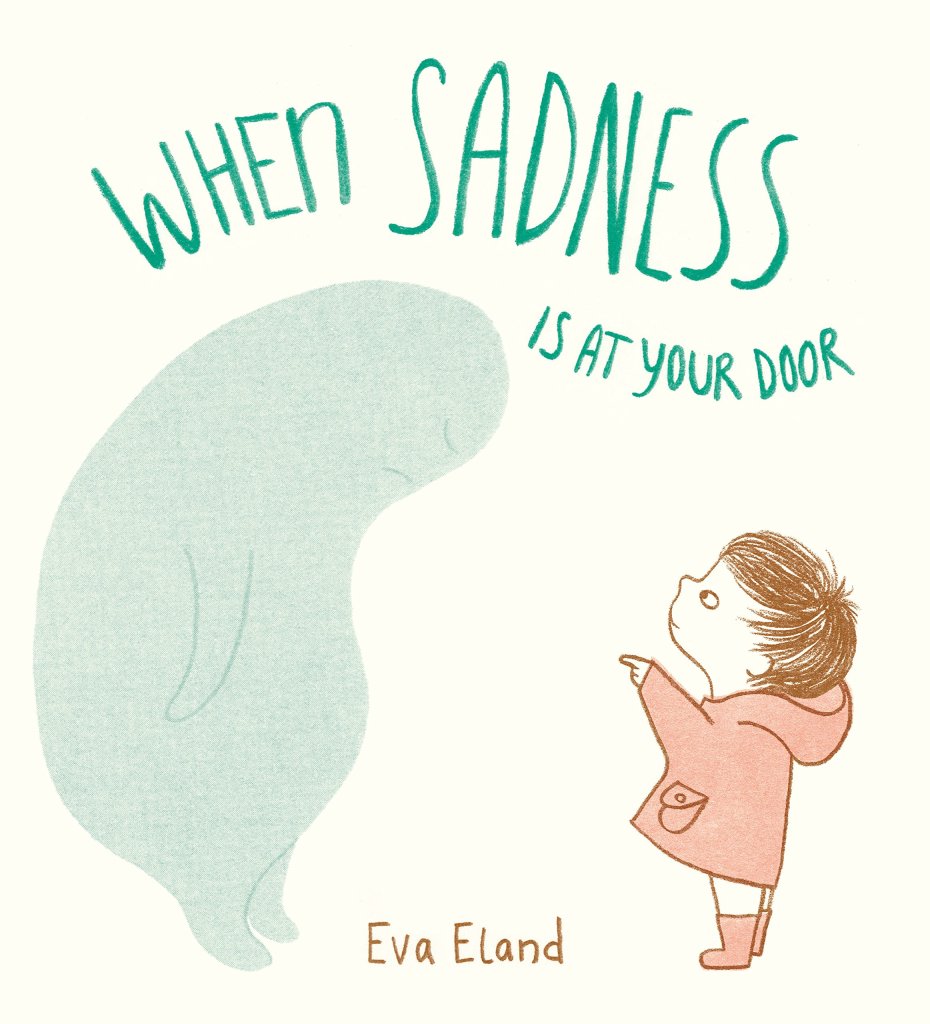
When Sadness Is At Your Door (Random House Books for Young Readers)
Written & Illustrated by Eva Edland

For ages: 3-5
The looming cloud of sadness we feel from time to time is an emotion not addressed often in children’s literature, especially not with as much sensitivity as found here. The text even lets us know that “Sometimes Sadness arrives unexpectedly.” It also pushes the importance of naming our sadness and understanding it as a thing that is both part of you but also not something that can define you. Sadness isn’t our enemy either; it’s something that comes to visit and eventually leaves. The front endpapers show people turning their backs on their Sadness. In contrast, the back endpapers show characters engaging in and facing it down. Those thoughtful touches speak volumes.


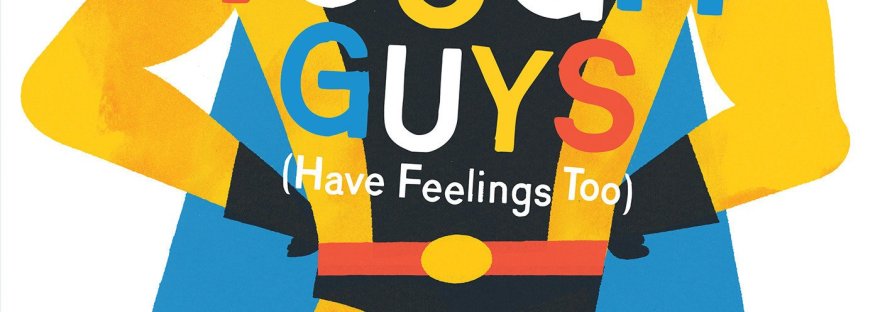
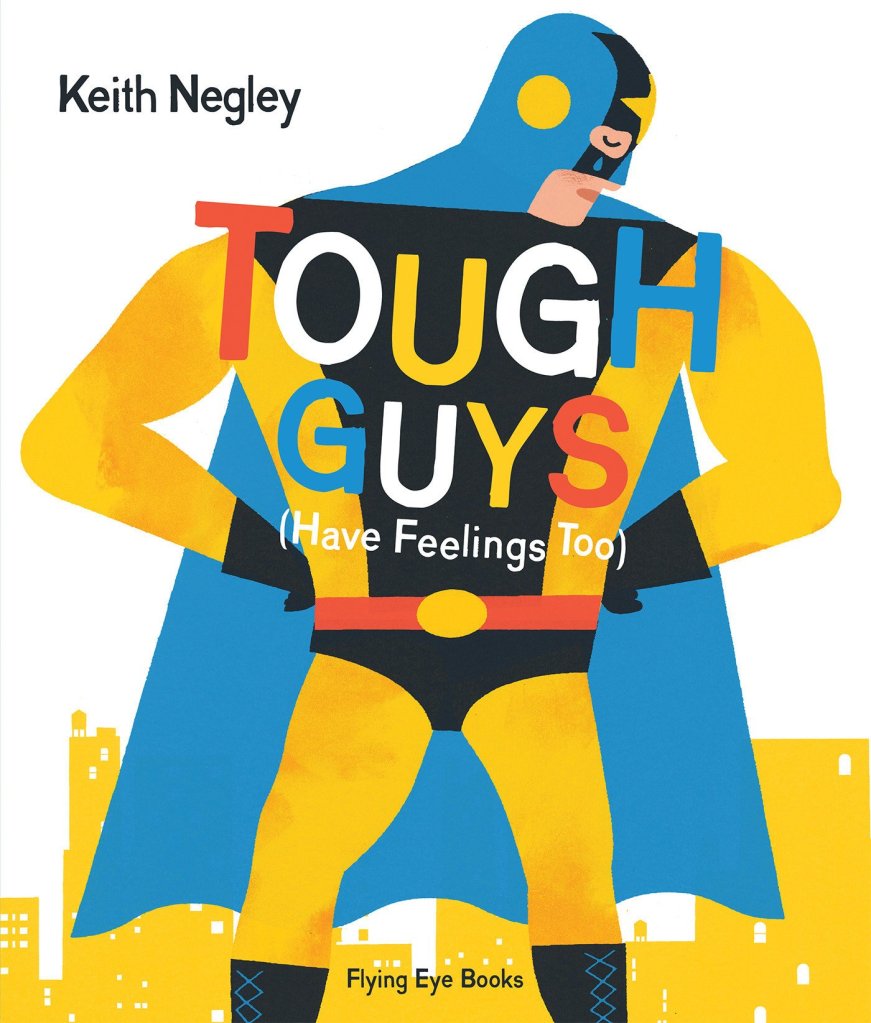
Tough Guys Have Feelings Too (Flying Eye Books)
Written & Illustrated by Keith Negley

For ages: 3-5
It’s imperative that we encourage our boys to express their emotions and know that the foundations on which American society is built will push in the opposite direction. In this book, traditionally male characters of superheroes, pirates, Lucha libre, and more are shown working through hard times. An astronaut holds a photo of his wife & child, whom he misses. A superhero eats lunch alone on a rooftop. A biker weeps on the side of the road over a poor squirrel who has been hit. Our young men need to know and be okay with showing vulnerability. Unfortunately, as you look out across the landscape of American society, the lack of that comfort with emotions has fueled a dangerous right-wing movement. Books like these could save a life.


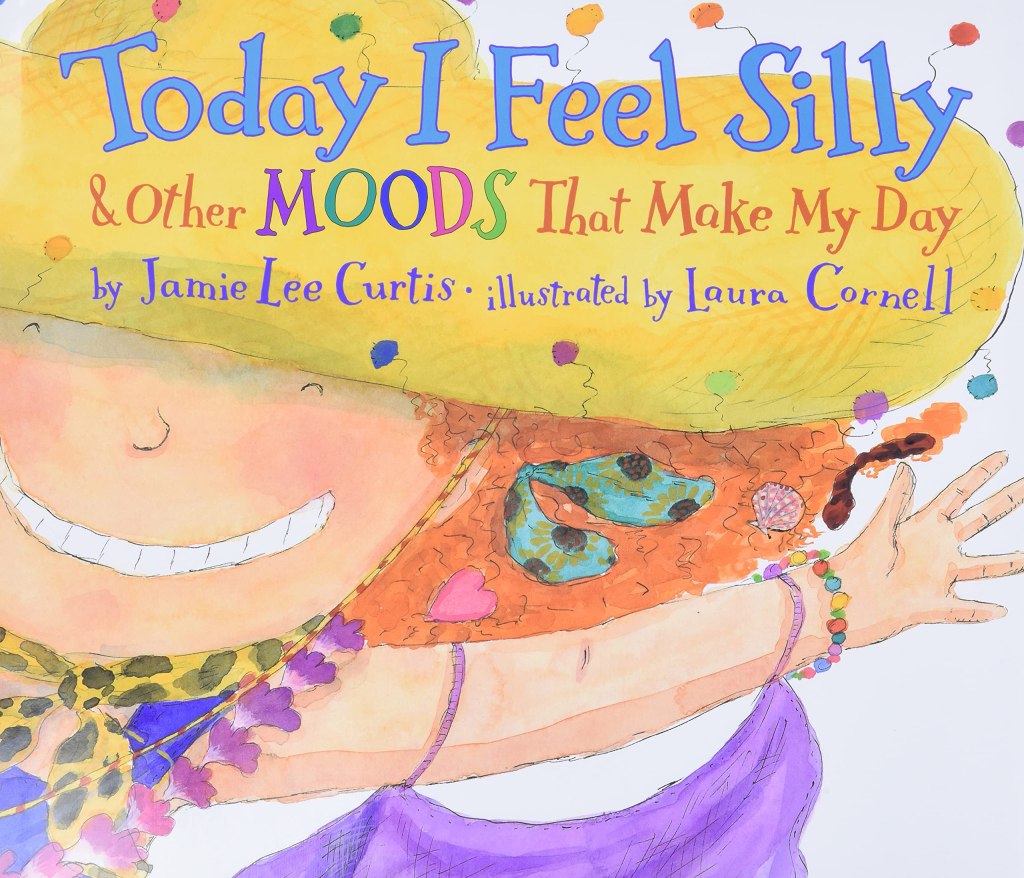
Today I Feel Silly and Other Moods That Make My Day (HarperCollins)
Written by Jamie Lee Curtis
Illustrated by Laura Cornell

For ages: 3-5
The little girl at the center of Jamie Lee Curtis’ ode to emotions is a roller coaster of them. What I enjoyed most about the text was that often the girl isn’t sure why she feels a certain way. Sometimes they are purely reactive, coming out of a negative social encounter. Other times she wakes up feeling grumpy and can’t quite articulate why. Curtis makes sure the reader understands that you don’t have to be able to know why; feel it and communicate with the people around you. Laura Cornell provides vibrant, fluid illustrations that capture the rise and fall of our protagonist’s thoughts and feelings.


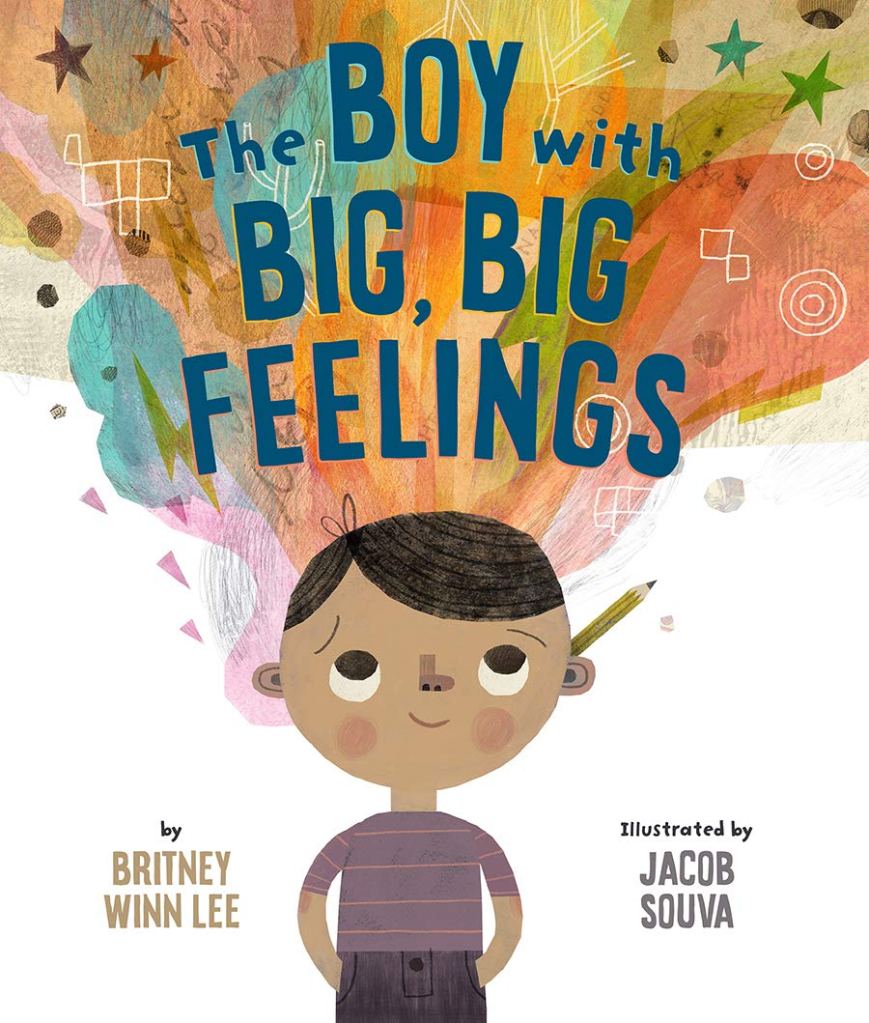
The Boy With Big Big Feelings (Beaming Books)
Written by Britney Winn Lee
Illustrated by Jacob Souva 

For ages: 4-8
The main character of this book is a young boy who has always felt things strongly. Over time, he learns to stuff his feelings down inside because he worries his peers will laugh at him. Finally, he meets another child who shows the same level of empathy. Through this friendship, the boy learns to embrace his emotions. Big blooming blobs of color represent the emotions, often overwhelming the main character and swirling around him like a comforting blanket. I love how animated the illustrations make the story and capture the feelings involved. 


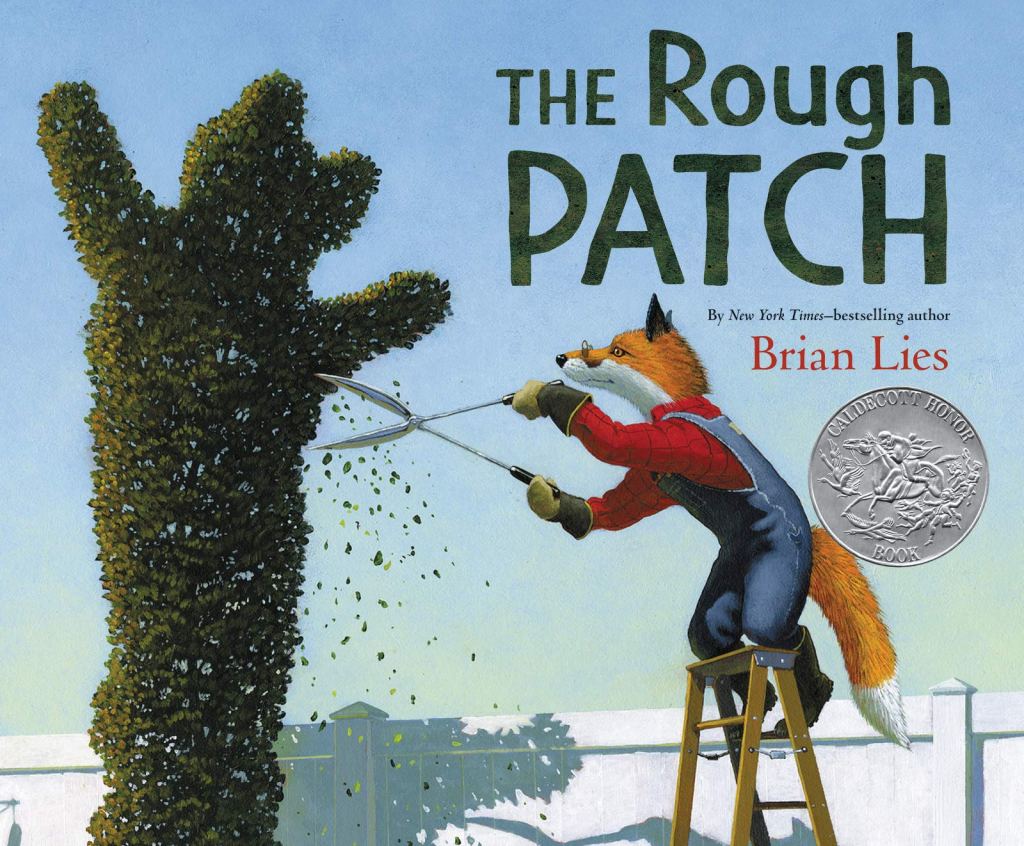
The Rough Patch (Greenwillow Books)
Written & Illustrated by Brian Lies

For ages: 4-8
Evan is a farming fox who does everything with his pet dog. Then, one day, his dog dies, and Evan finds himself stuck in grief. The story then takes us through the stages of grief as seen in our protagonist, including anger as Evan destroys a big chunk of his garden. But one pumpkin in the garden helps him clear his mind and puts all his effort into growing something extraordinary for the fair in honor of his late friend. The Rough Patch is a great book not just for explaining emotions but for children who may be going through a grieving process. The illustrations by Brian Lies perfectly capture the moods that grief can bring and the inevitable celebration of life that waits for us when we can heal.

black lives, middle grade, social-emotional

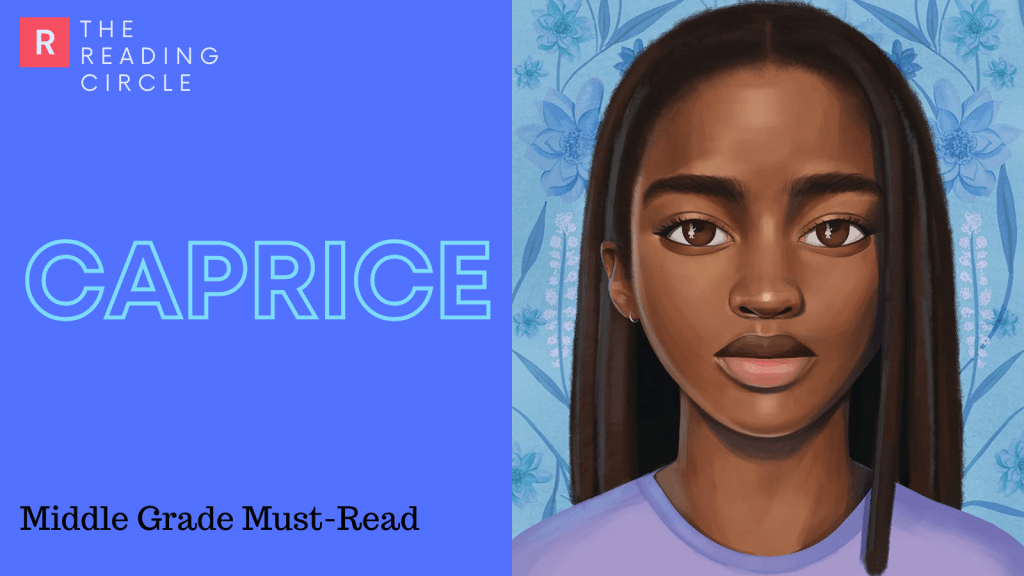
Middle Grade Must-Reads: Caprice

Caprice (Scholastic, Inc.)
Written by Coe Booth

When you read her first words, Caprice comes alive on the page. She’s a twelve-year-old girl on the cusp of significant changes in her life. Caprice’s parents pick her up after attending a summer program at the private all-girls school, Ainsley. She is offered a free ride by the school’s headmaster. There’s time to think it over, but not much as she returns to her neighborhood in Newark, New Jersey. Caprice spends time with her best friend Nicole, contemplating if she feels something more for her longtime friend Jarrett and deciding if she should go to Ainsley and leave all this behind. But something else weighs on Caprice, an experience from her early years has haunted the girl, and she’s kept it secret from everyone who loves her.

Continue reading “Middle Grade Must-Reads: Caprice”
black history, culture, disabilities, hispanic, illustration, social-emotional

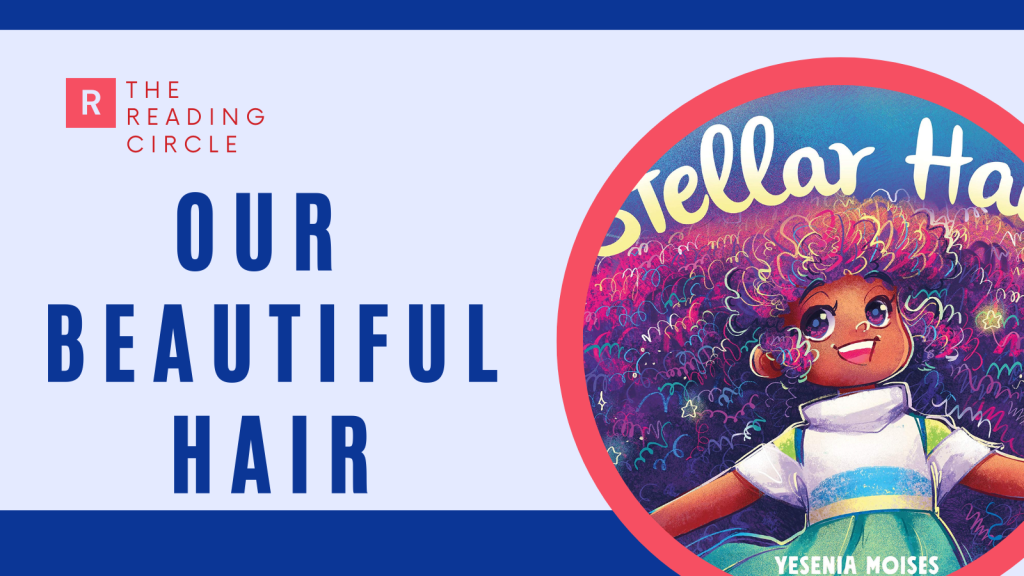
Book List: Our Beautiful Hair

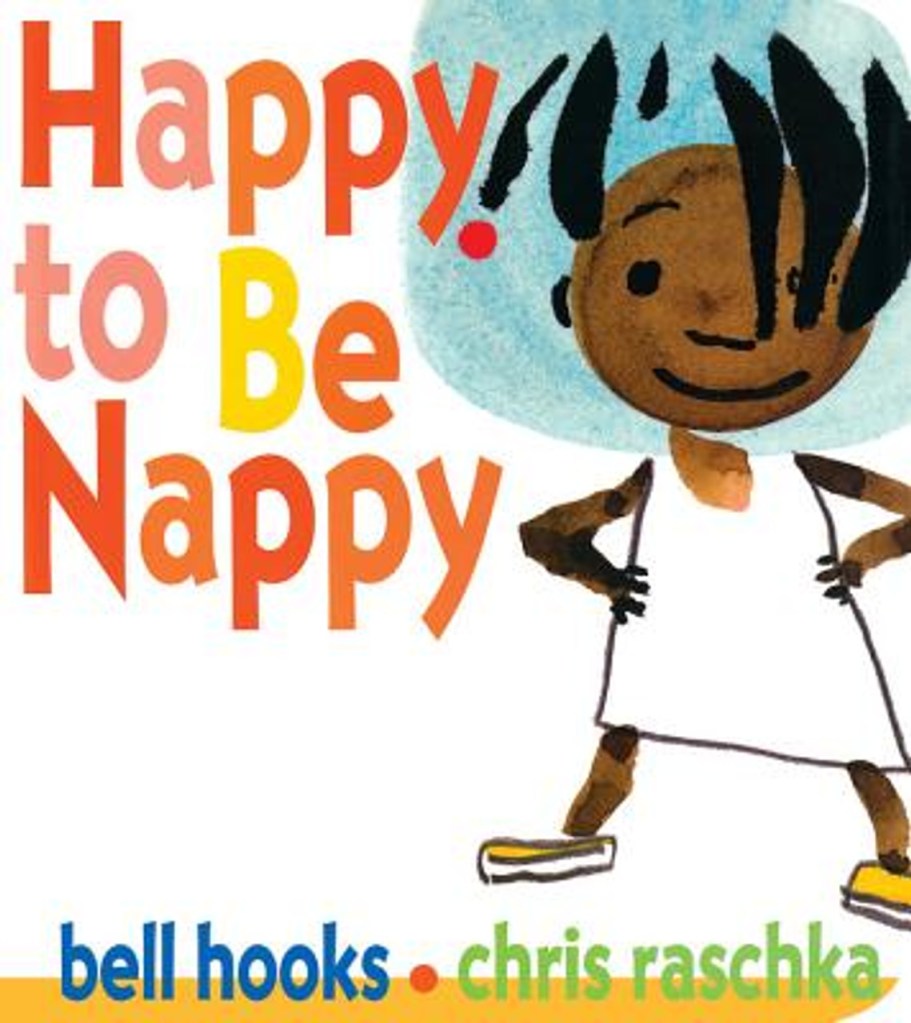
Happy to Be Nappy (Little, Brown Books for Young Readers)
Written by bell hooks
Illustrated by Chris Raschka

For ages: 1-5
This board book is not your typical baby lit. Instead, it’s taken from the words of noted author bell hooks and celebrates the beauty of Black hair. Hooks provides beautifully descriptive language to talk about her hair, comparing it to the fluffiness of cotton, frizzy, fuzzy, and able to be styled in a seemingly endless number of ways. Hair is evoked as a method of bonding. Mothers & daughters spending time together. The illustrations by Chris Raschka evoke the crayon drawings of a young child for whom this book is intended, playful stick figures with colors going outside the lines. While appearing simple from the outside, Happy to Be Nappy is a beautiful celebration of Black hair and its many styles and presentations.

Continue reading “Book List: Our Beautiful Hair”